Product Development
From first sketch to final product
The Diaper Bag
Designed for my little sister, loved by many new moms.
Case Study 001
Designing the most functional and beautiful backpack/diaper bag on the market.
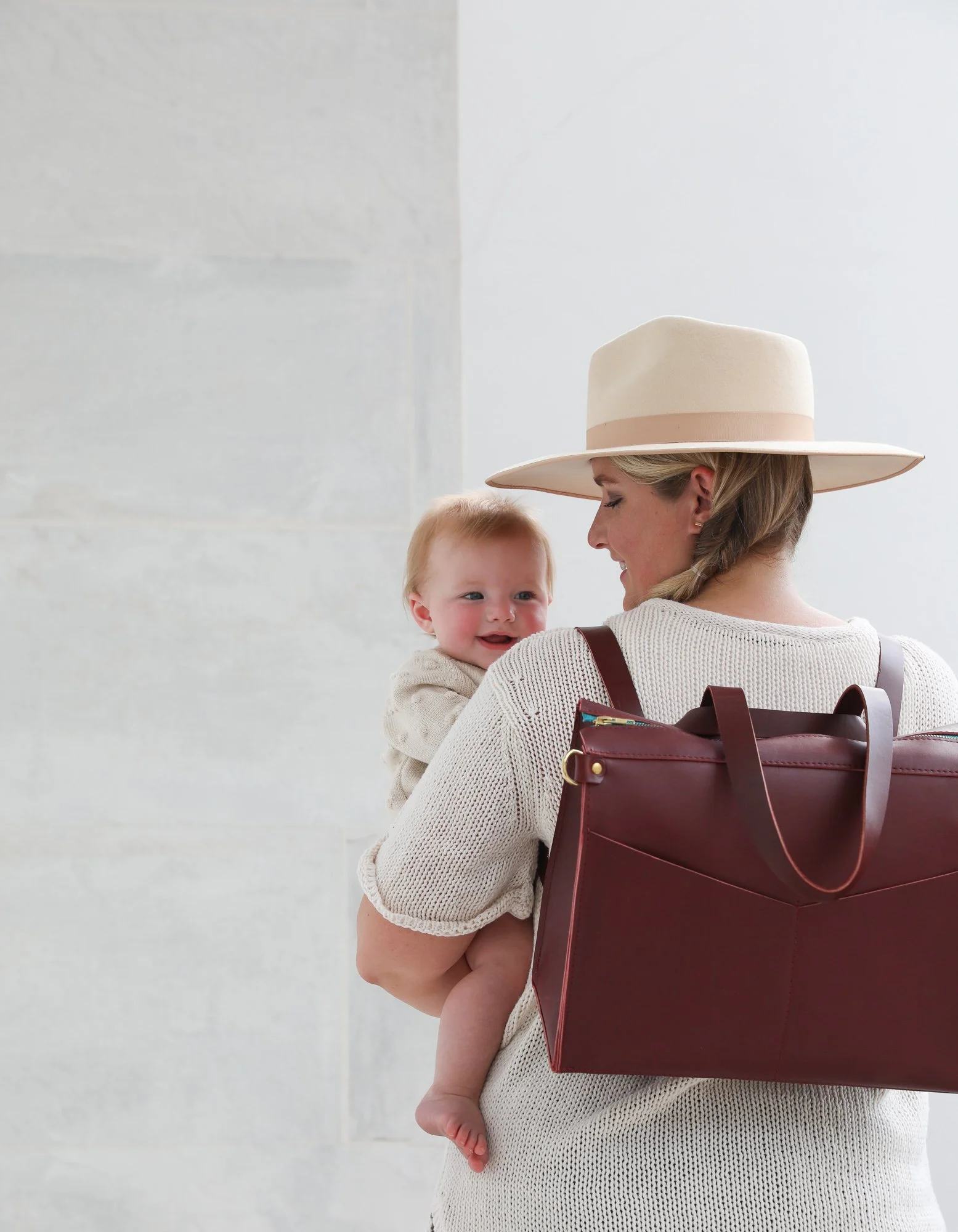
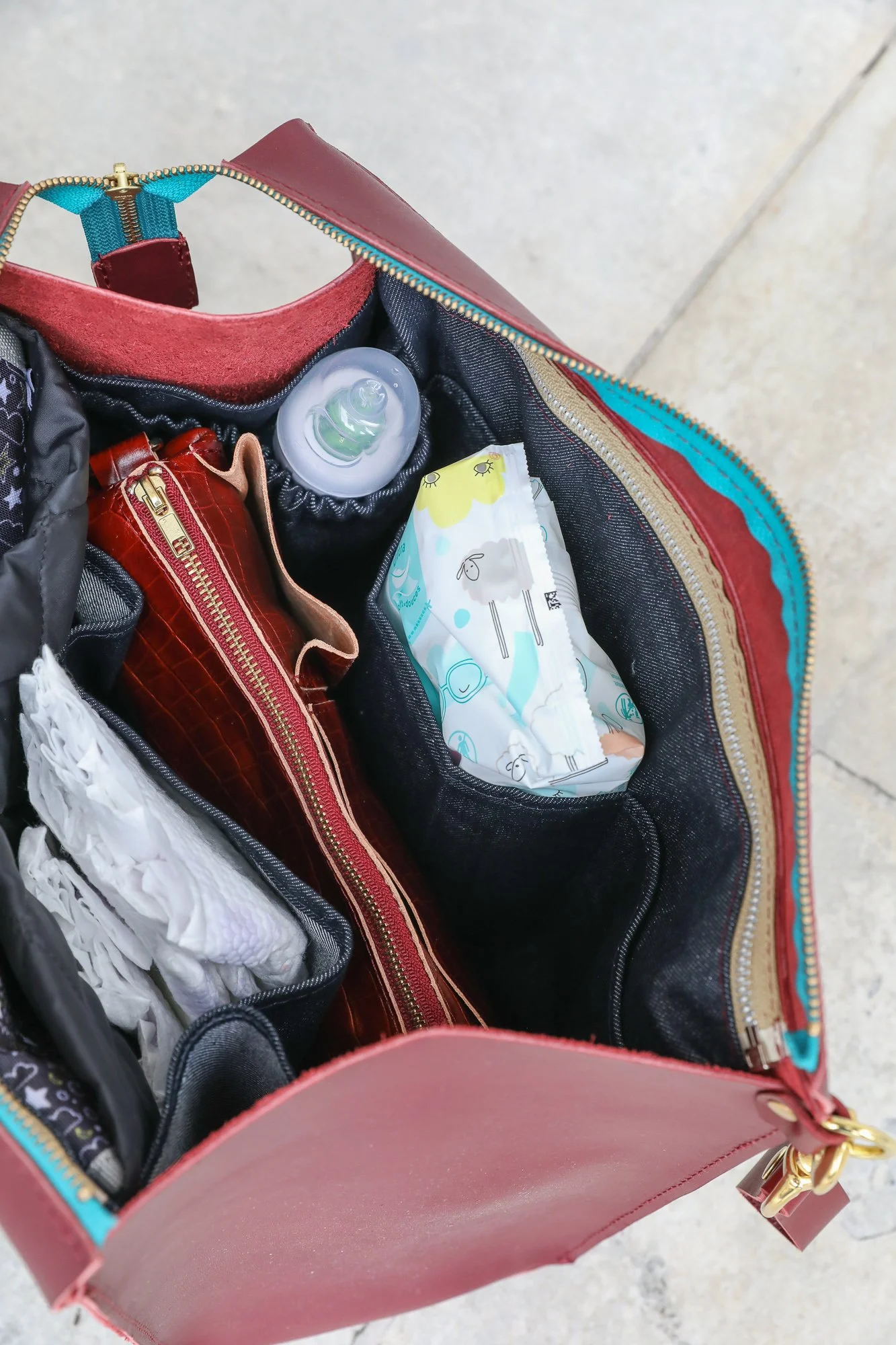
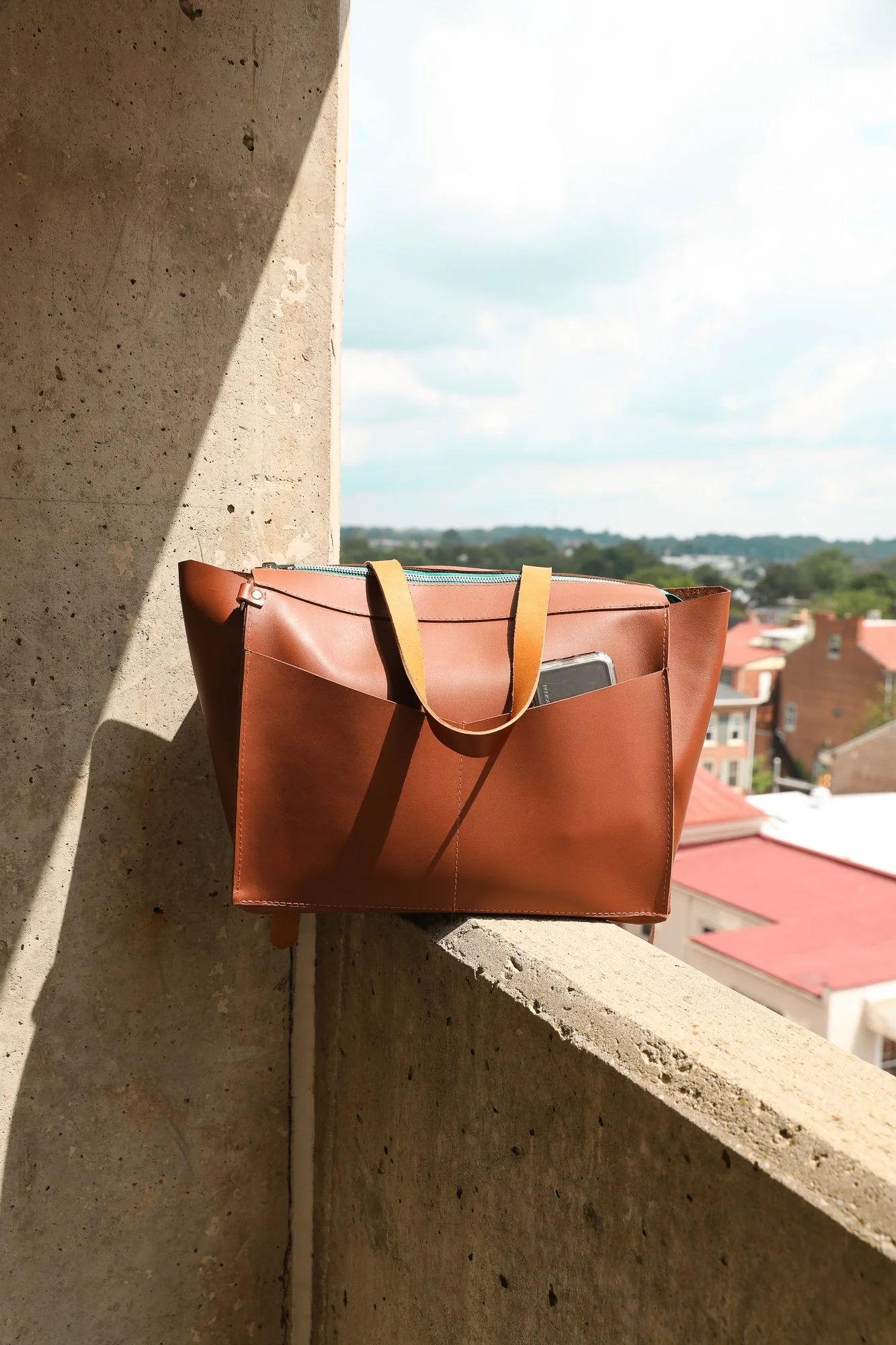
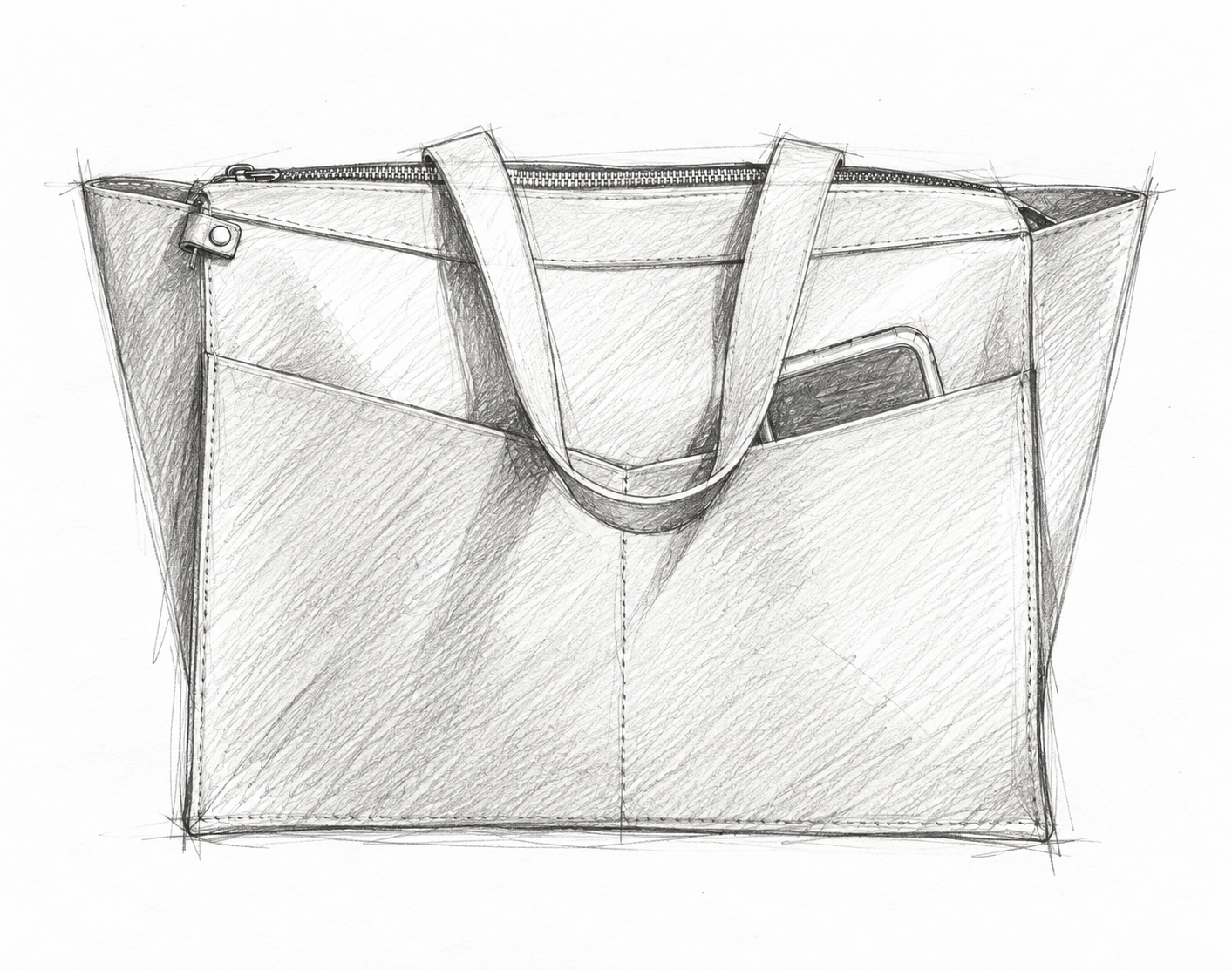
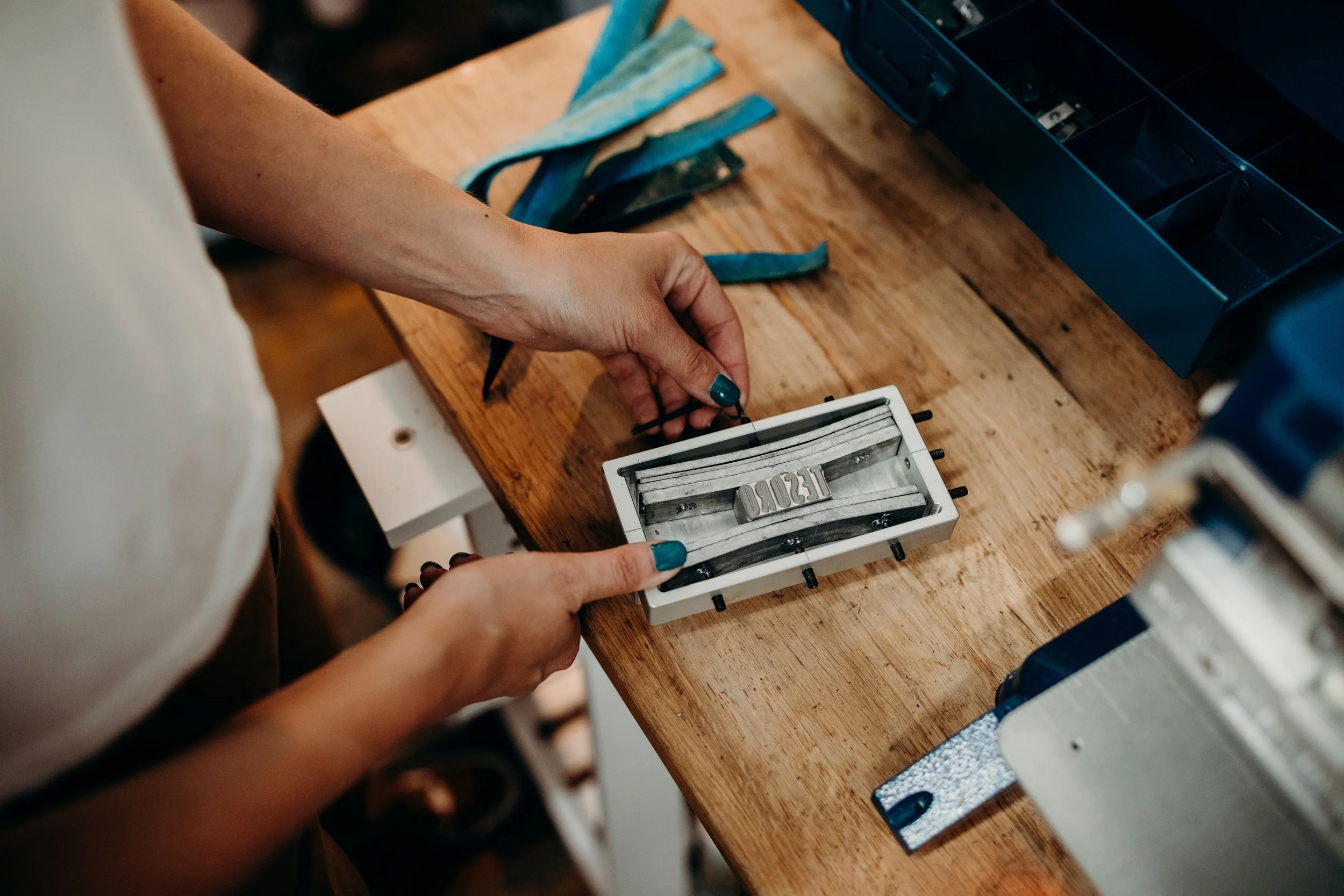
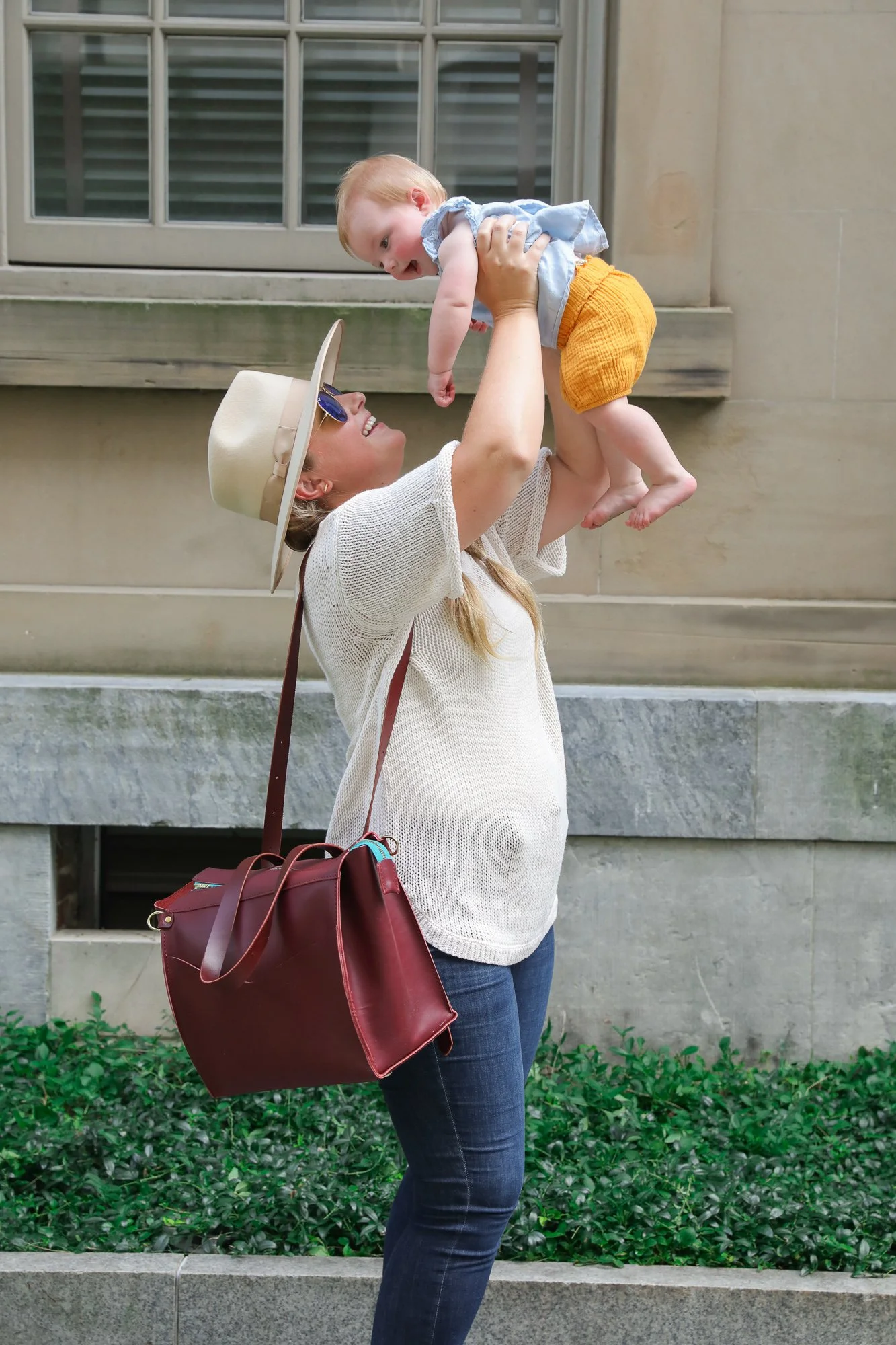
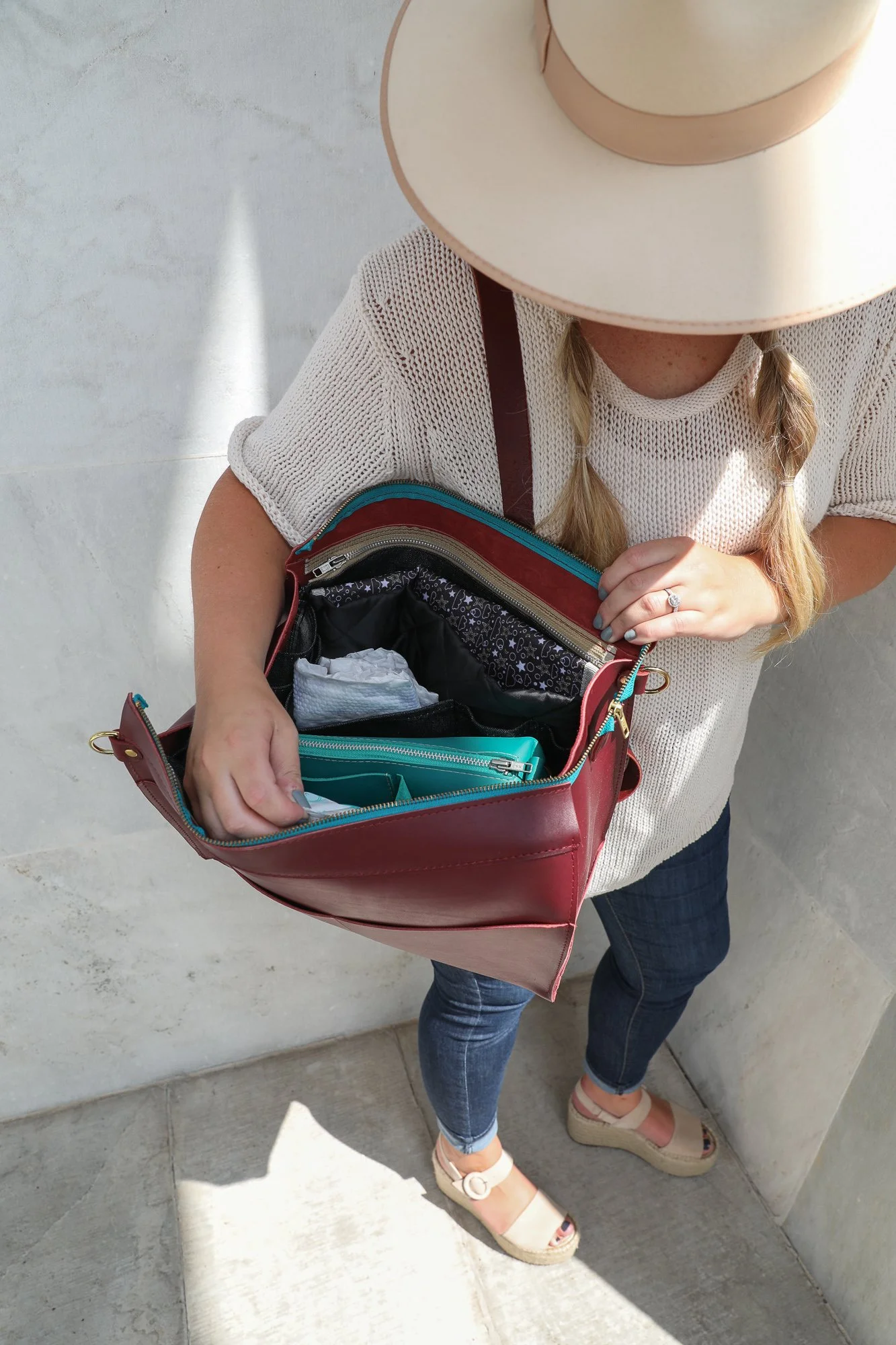
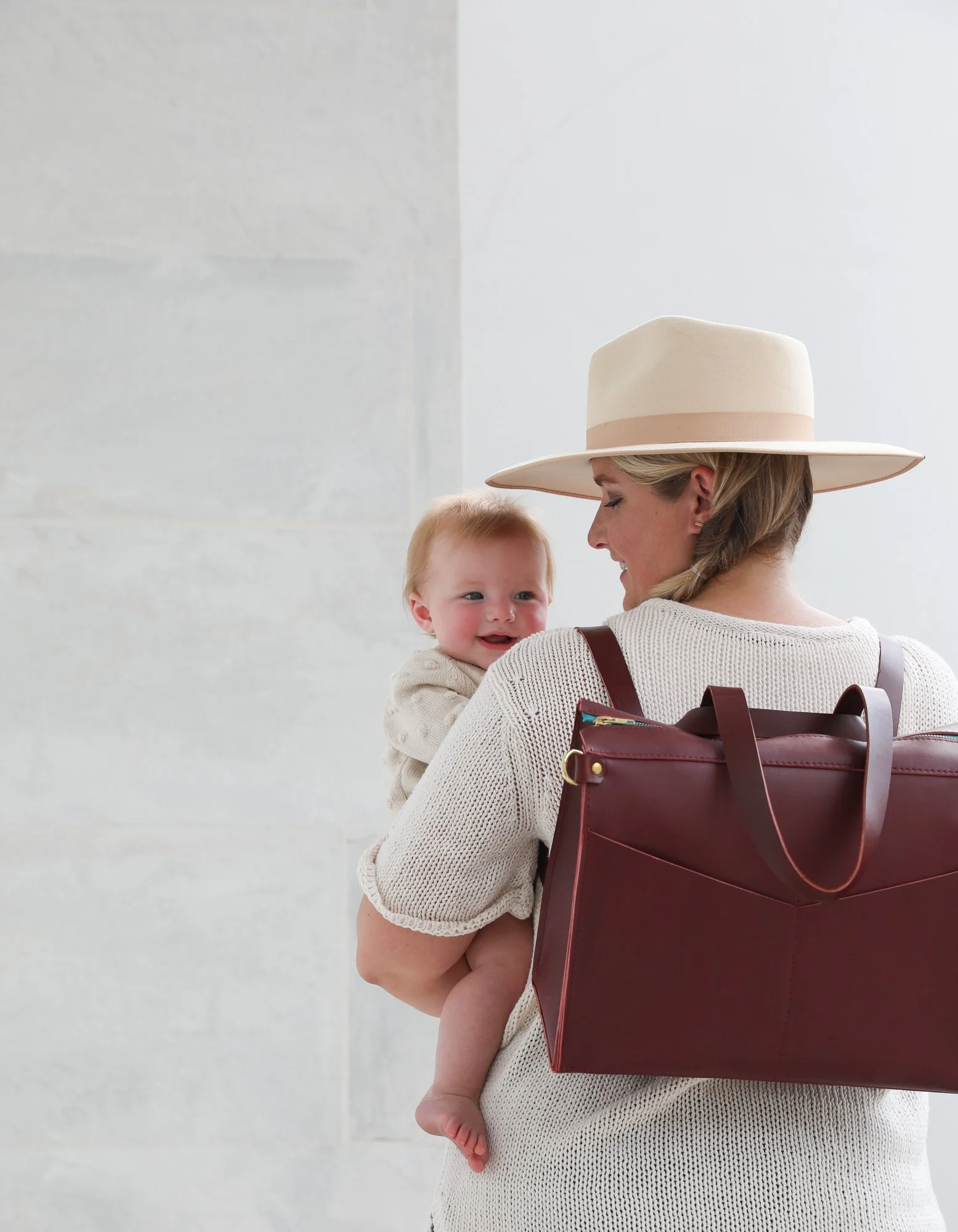
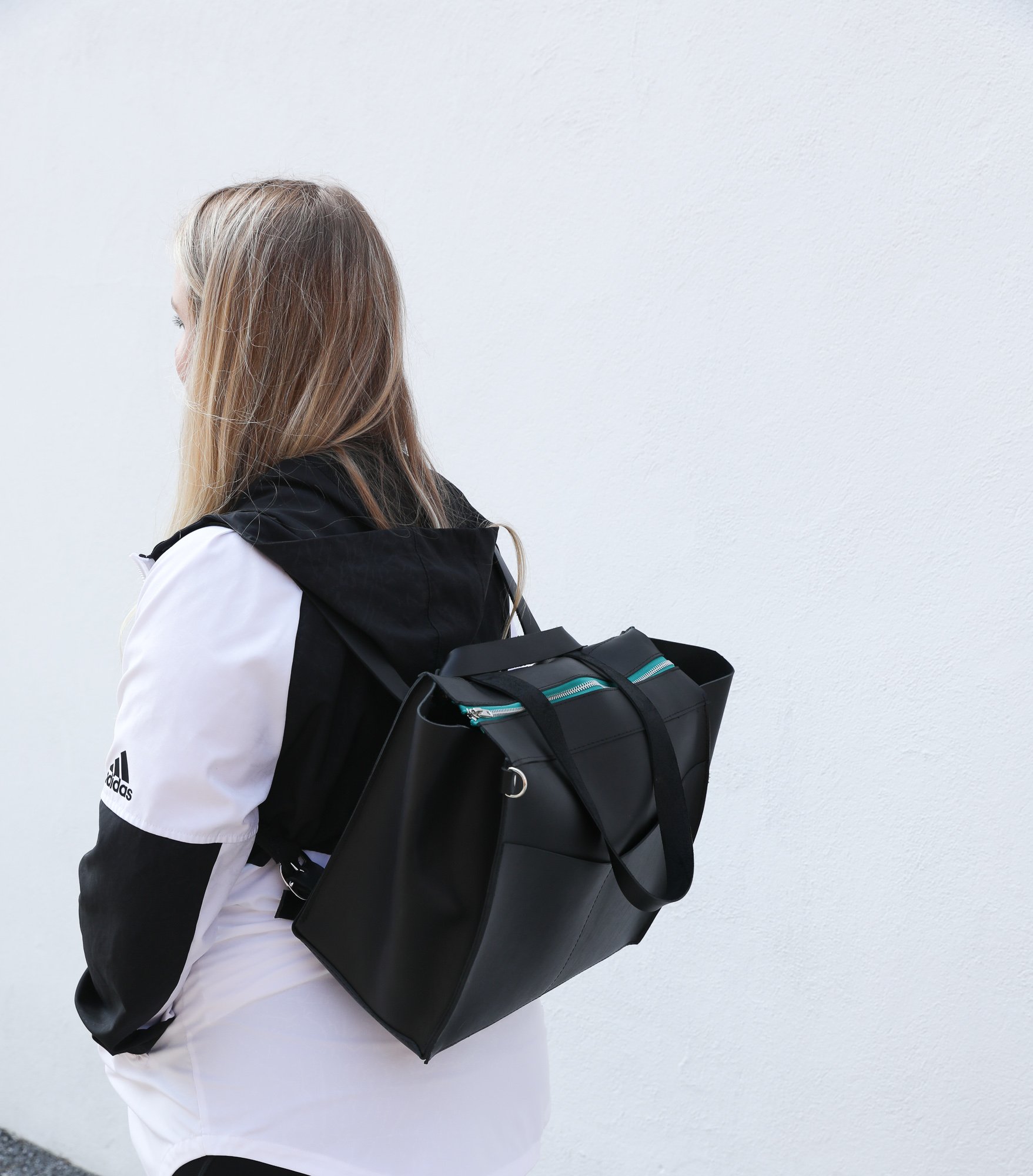
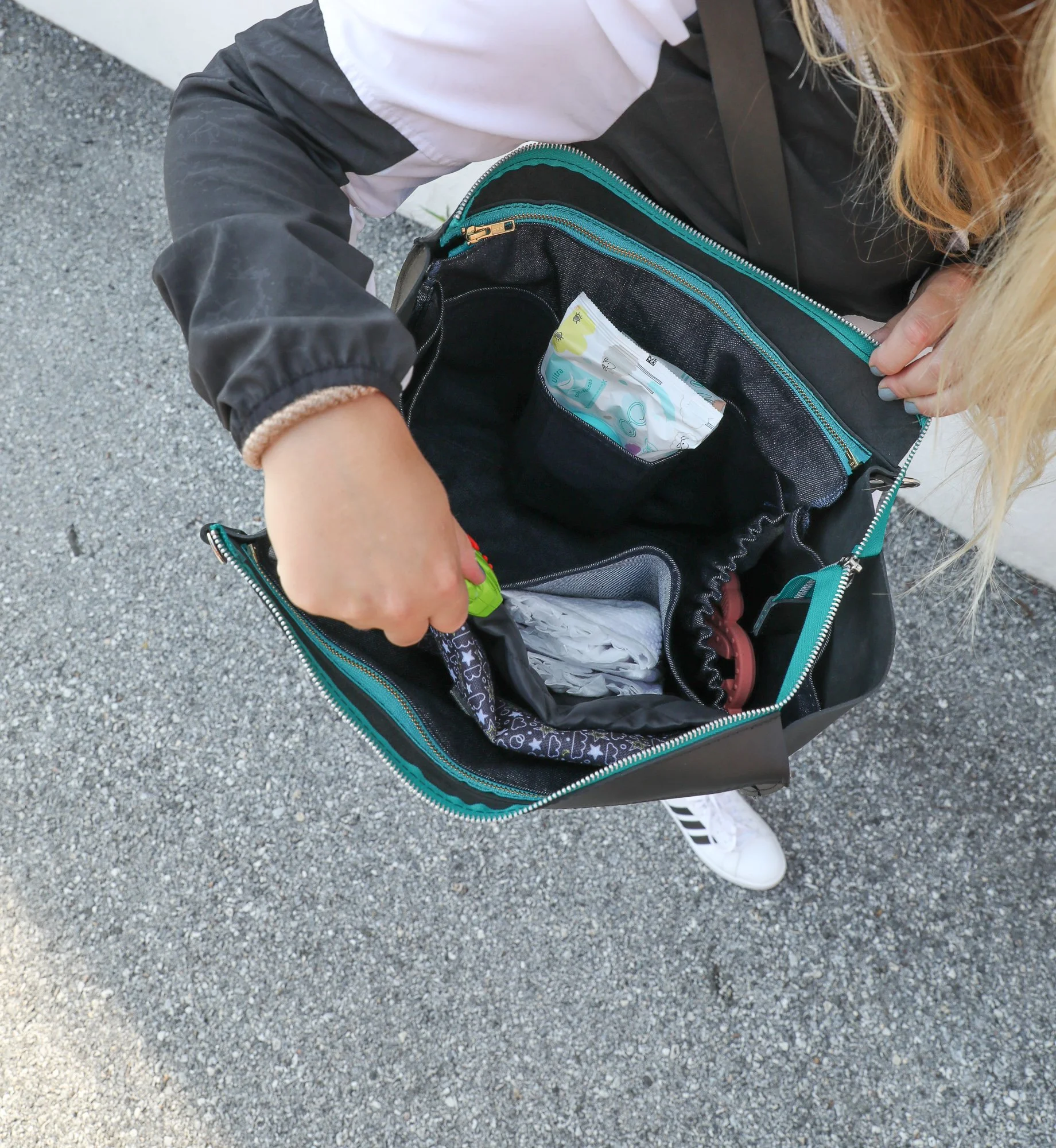
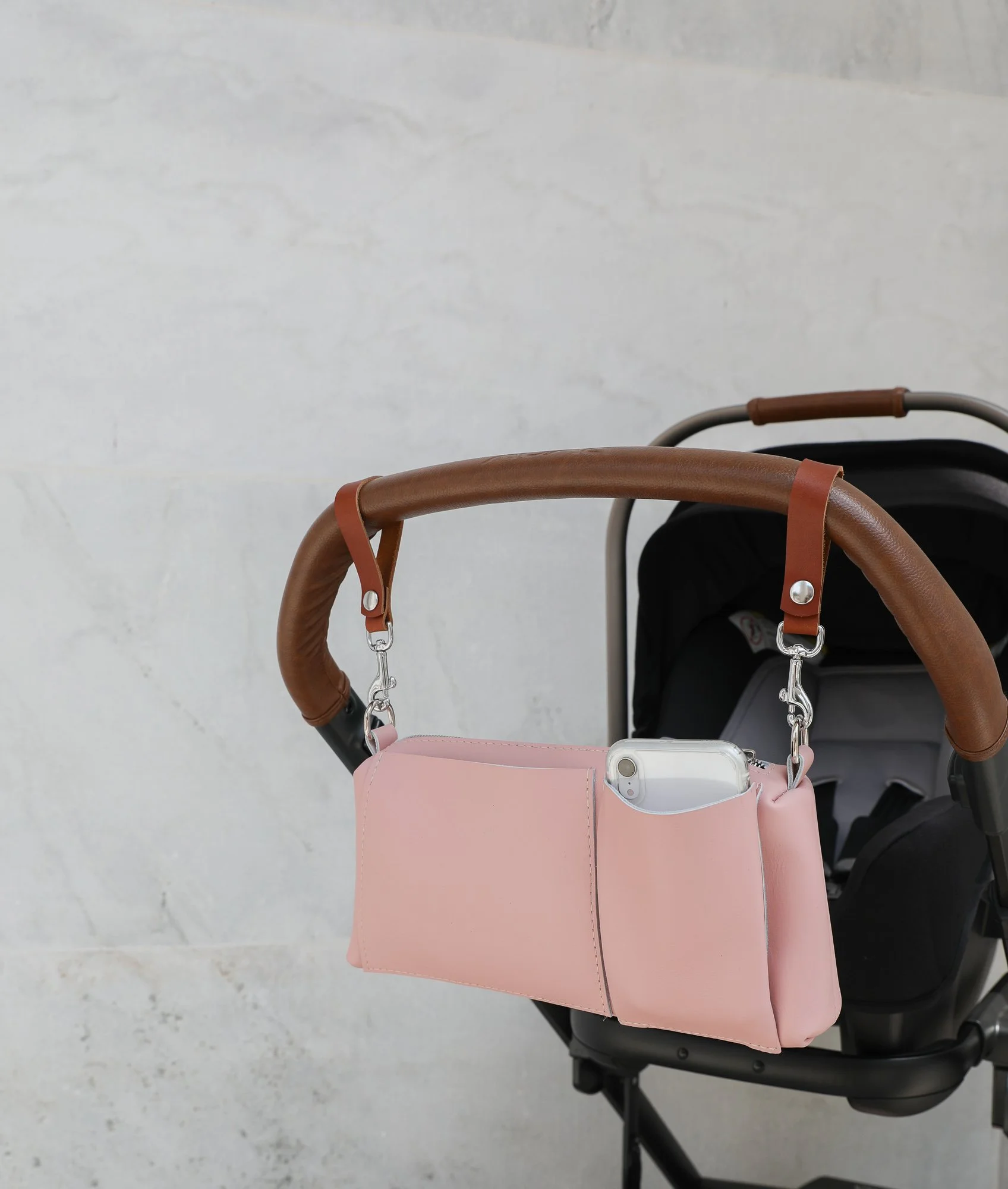
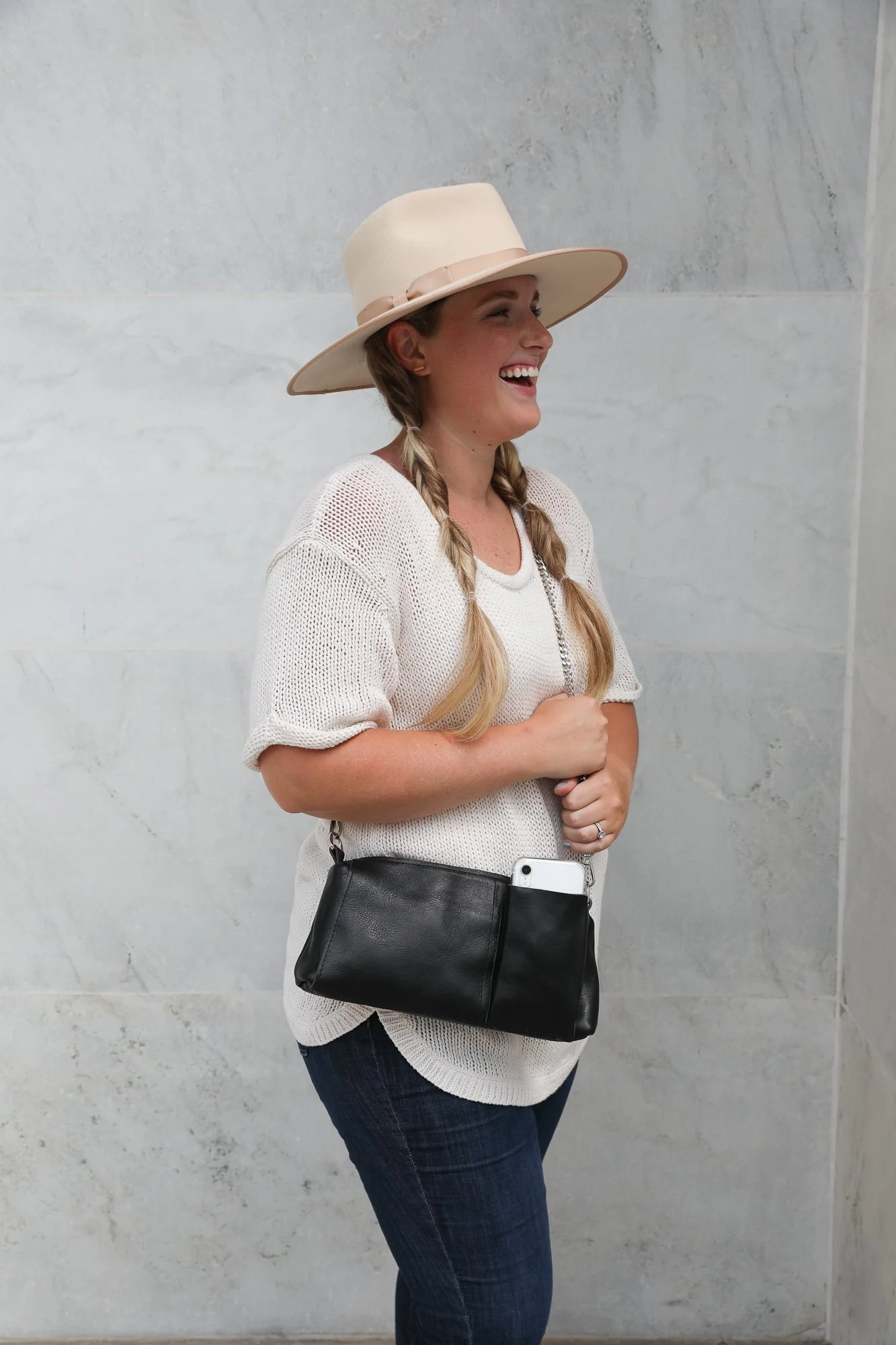
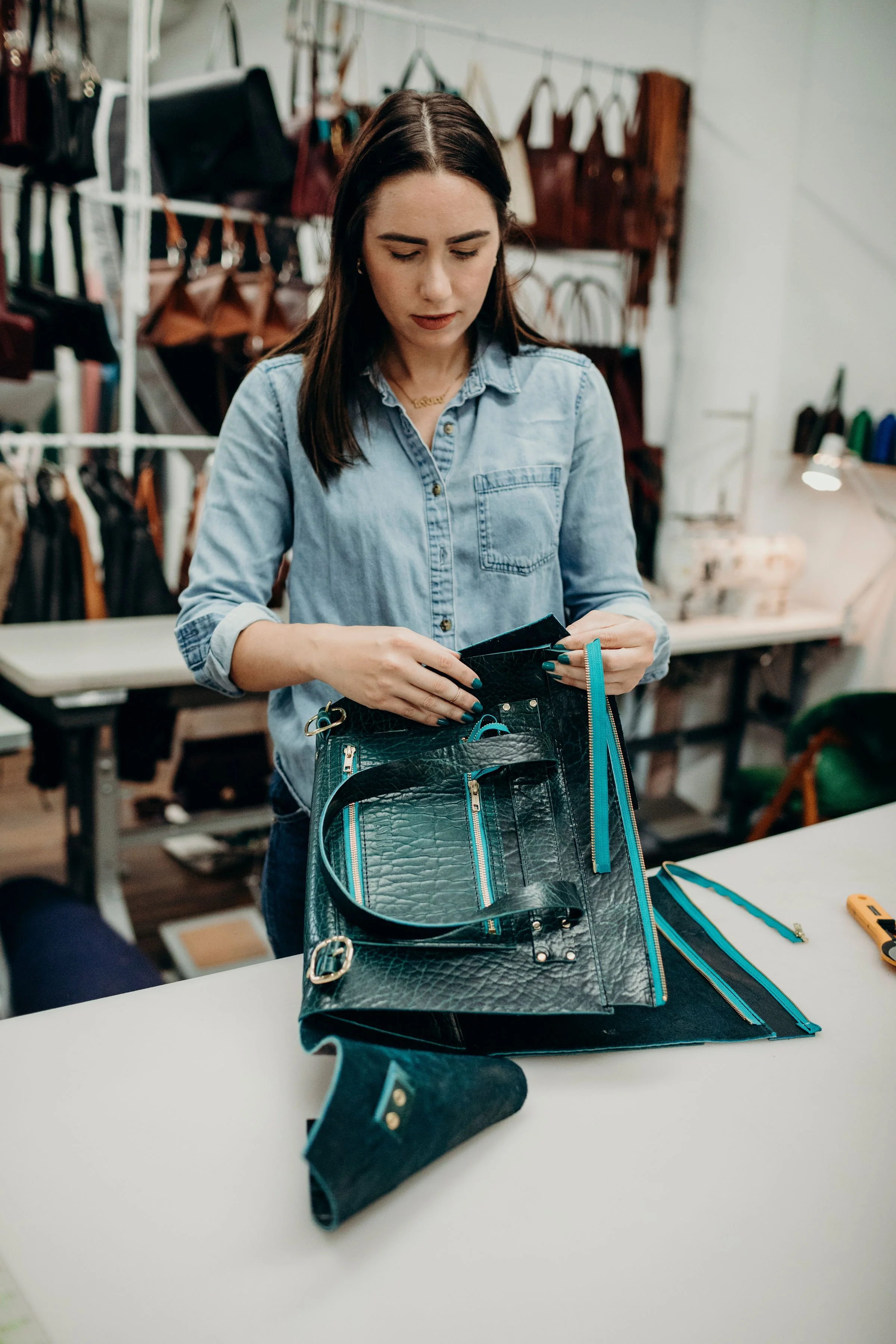
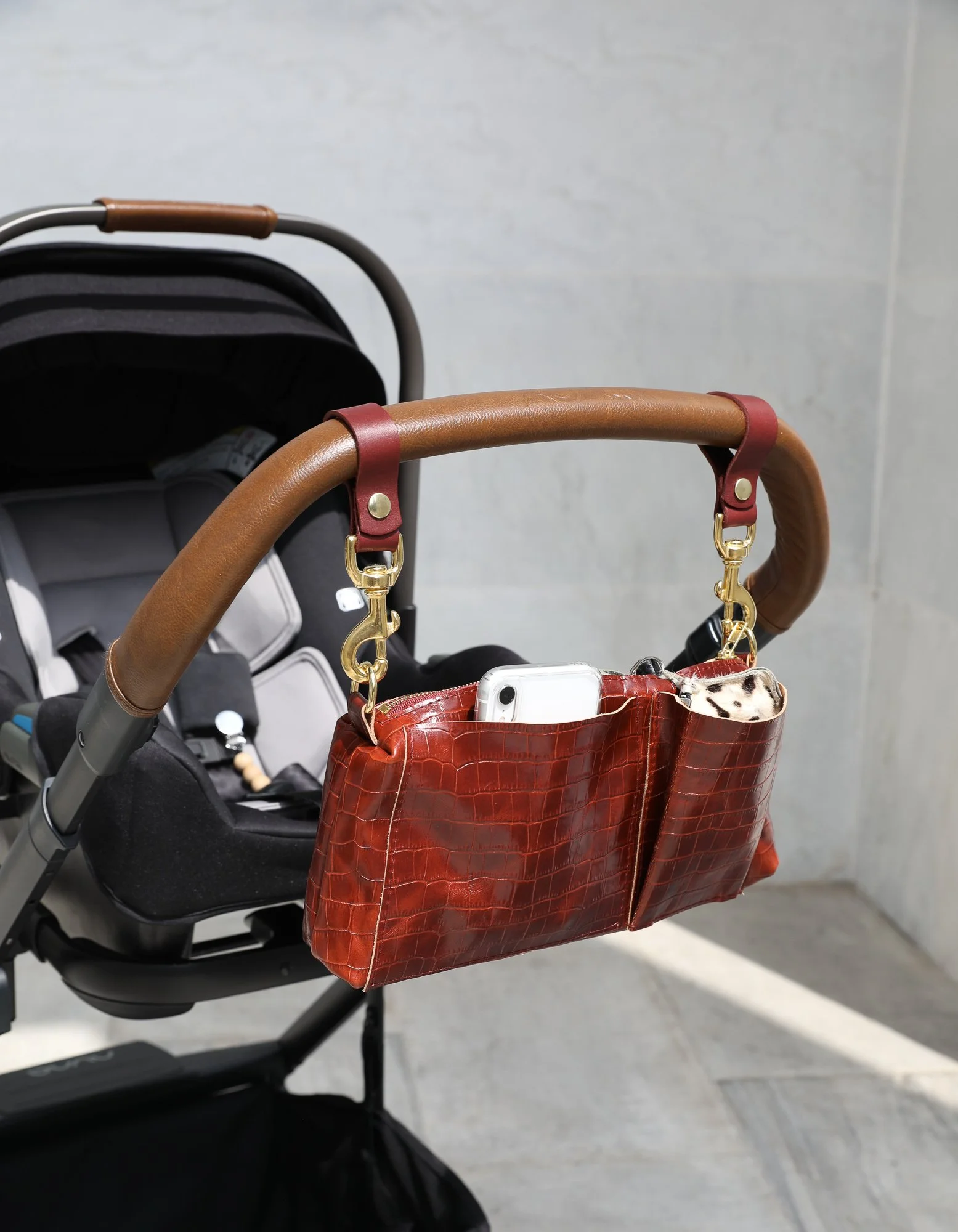
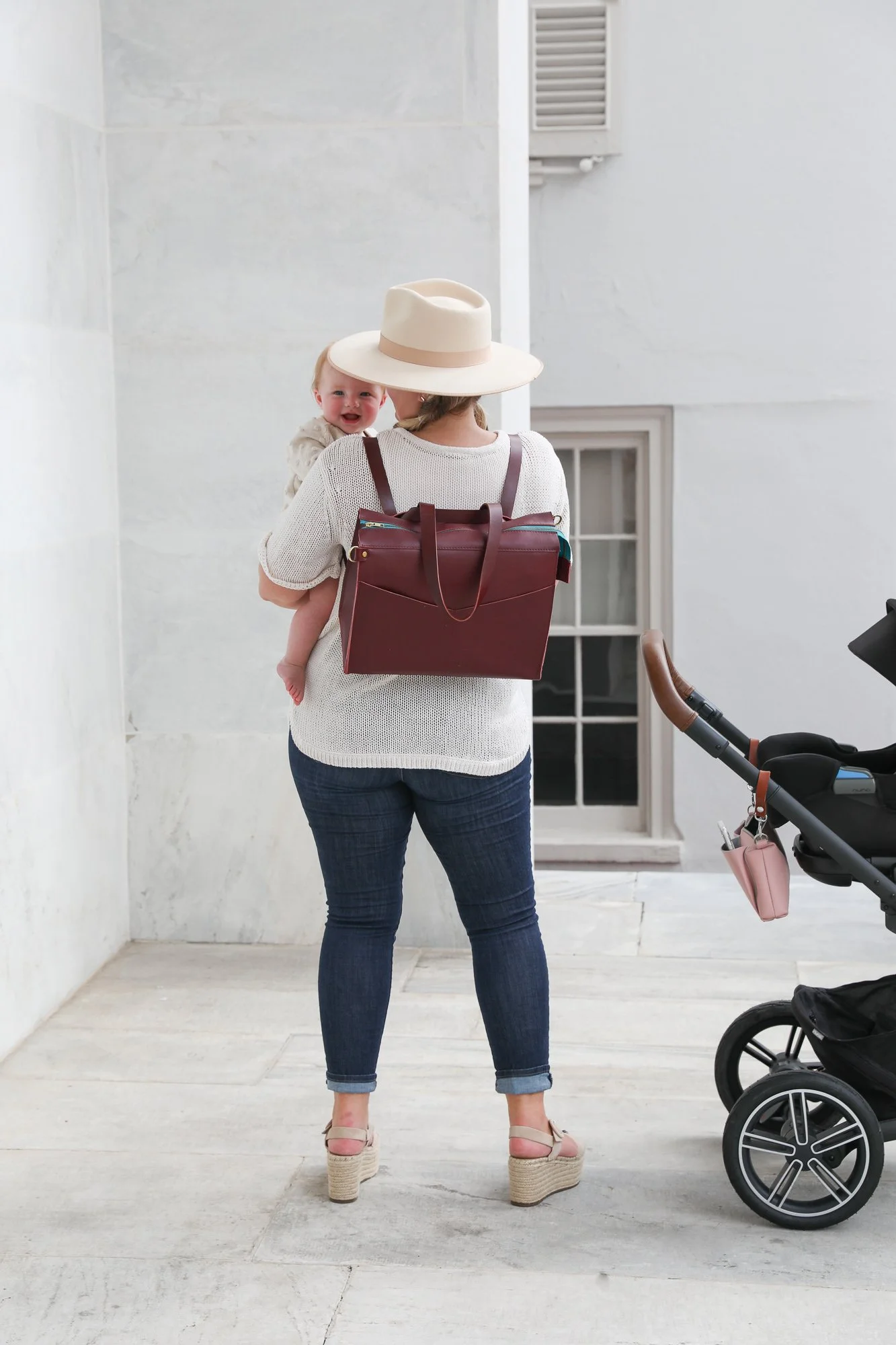
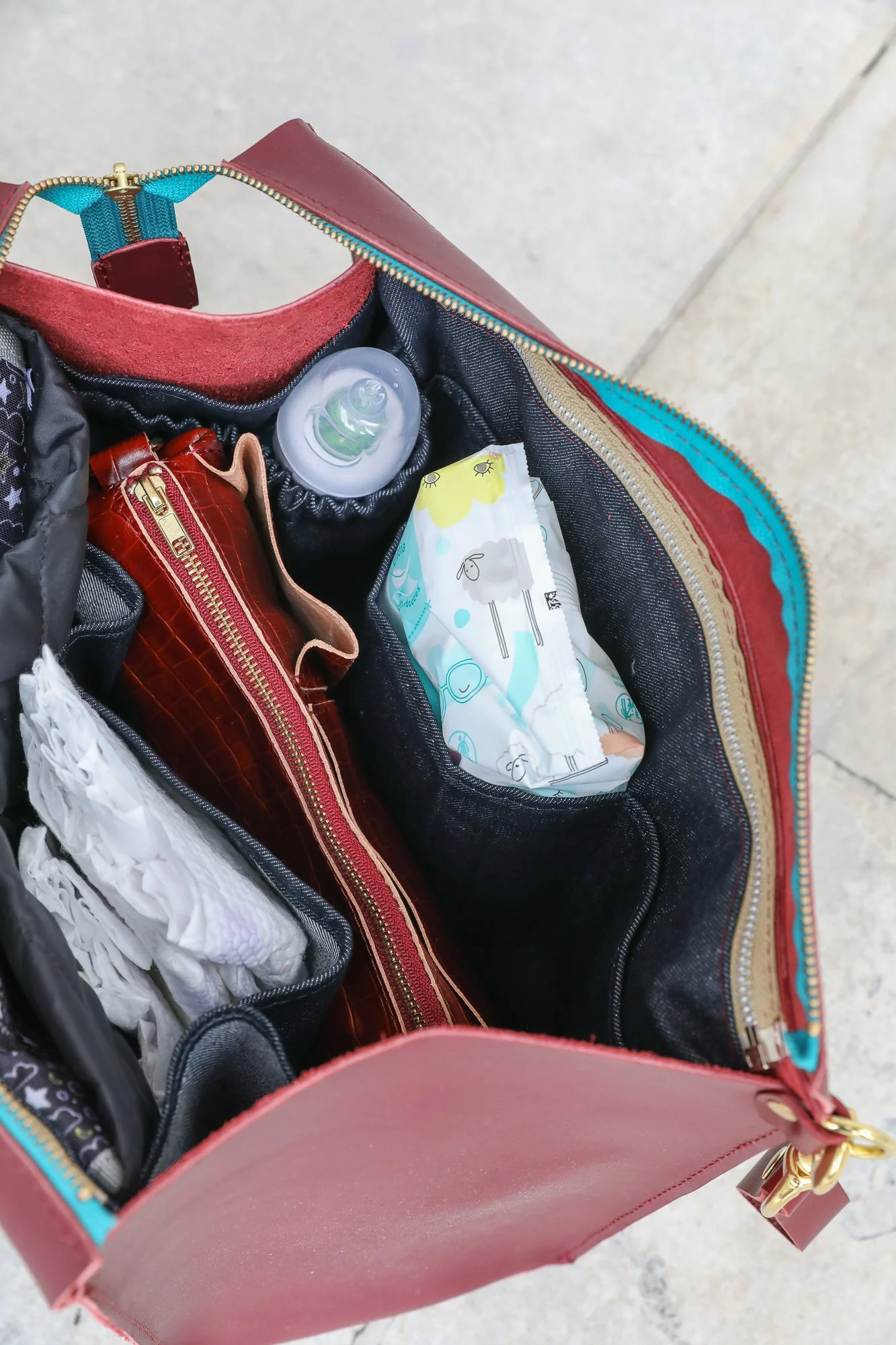
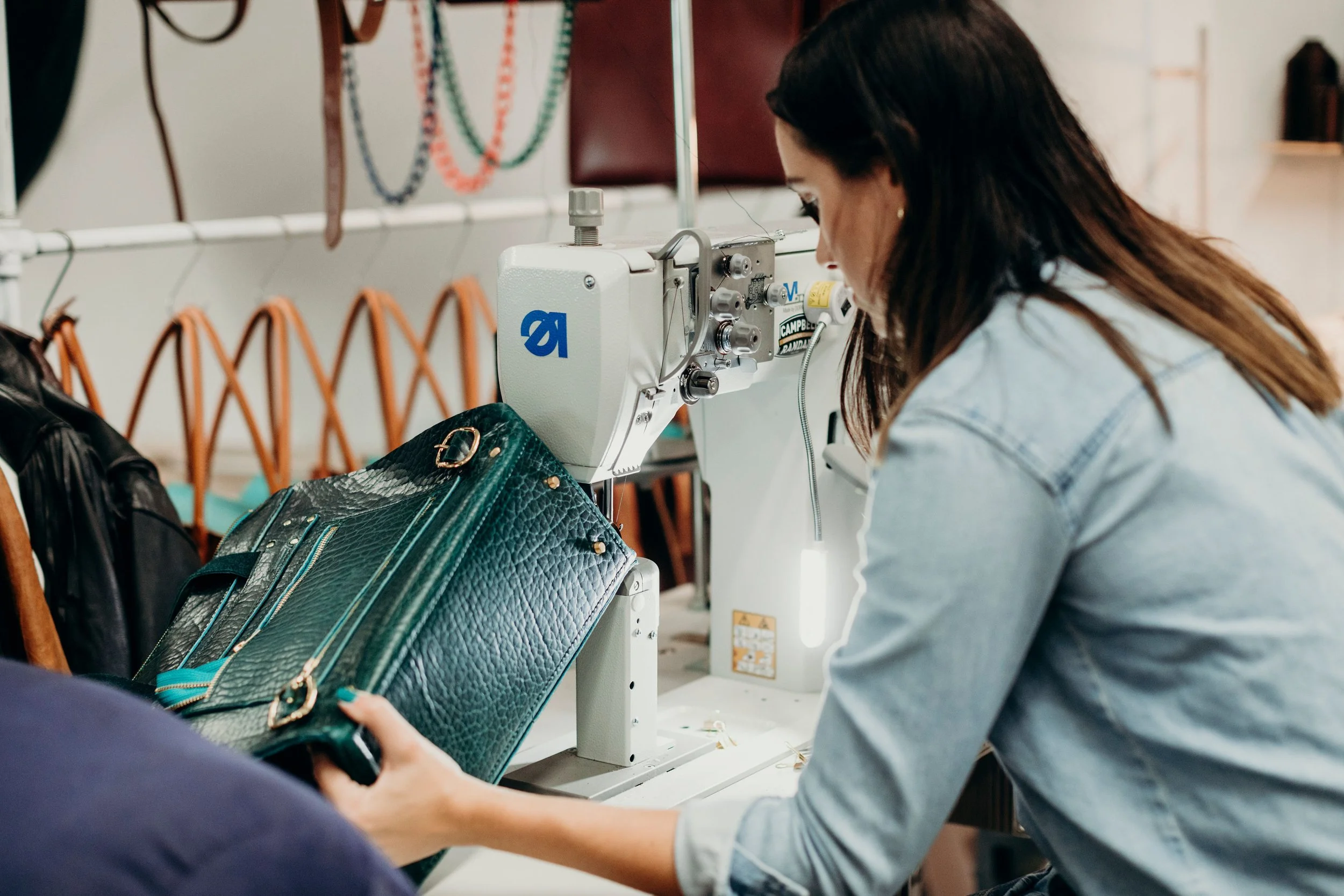
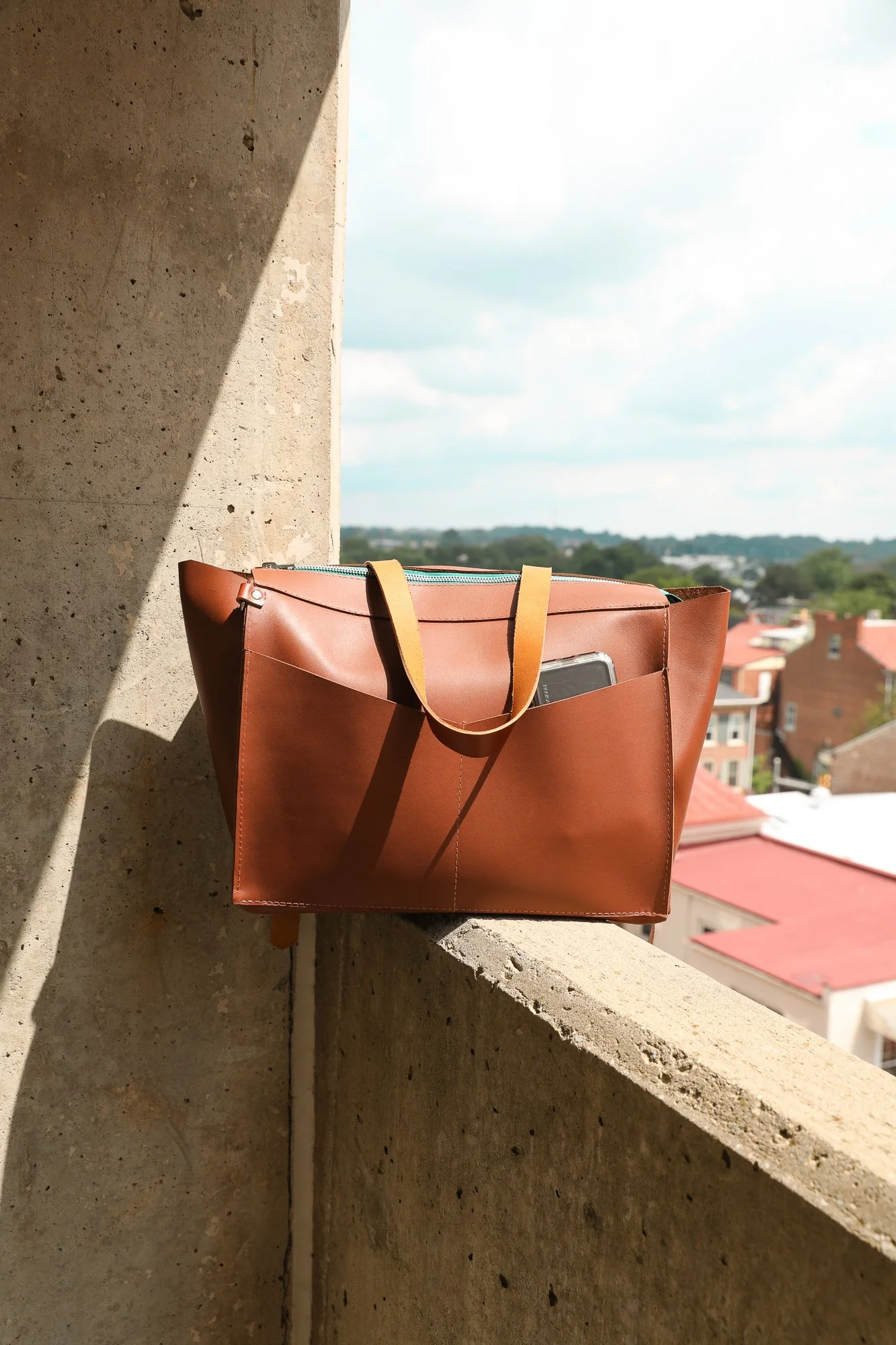
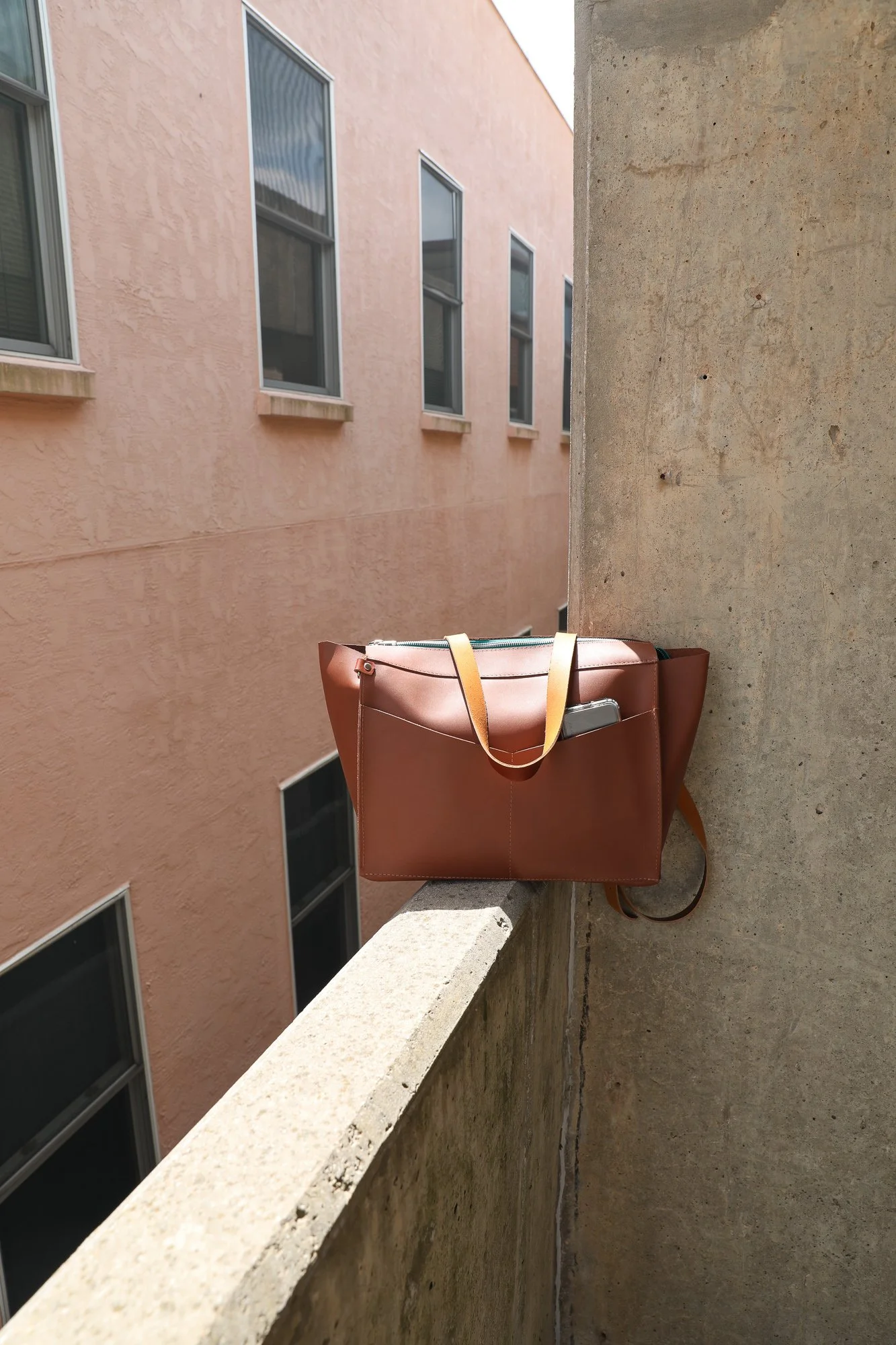
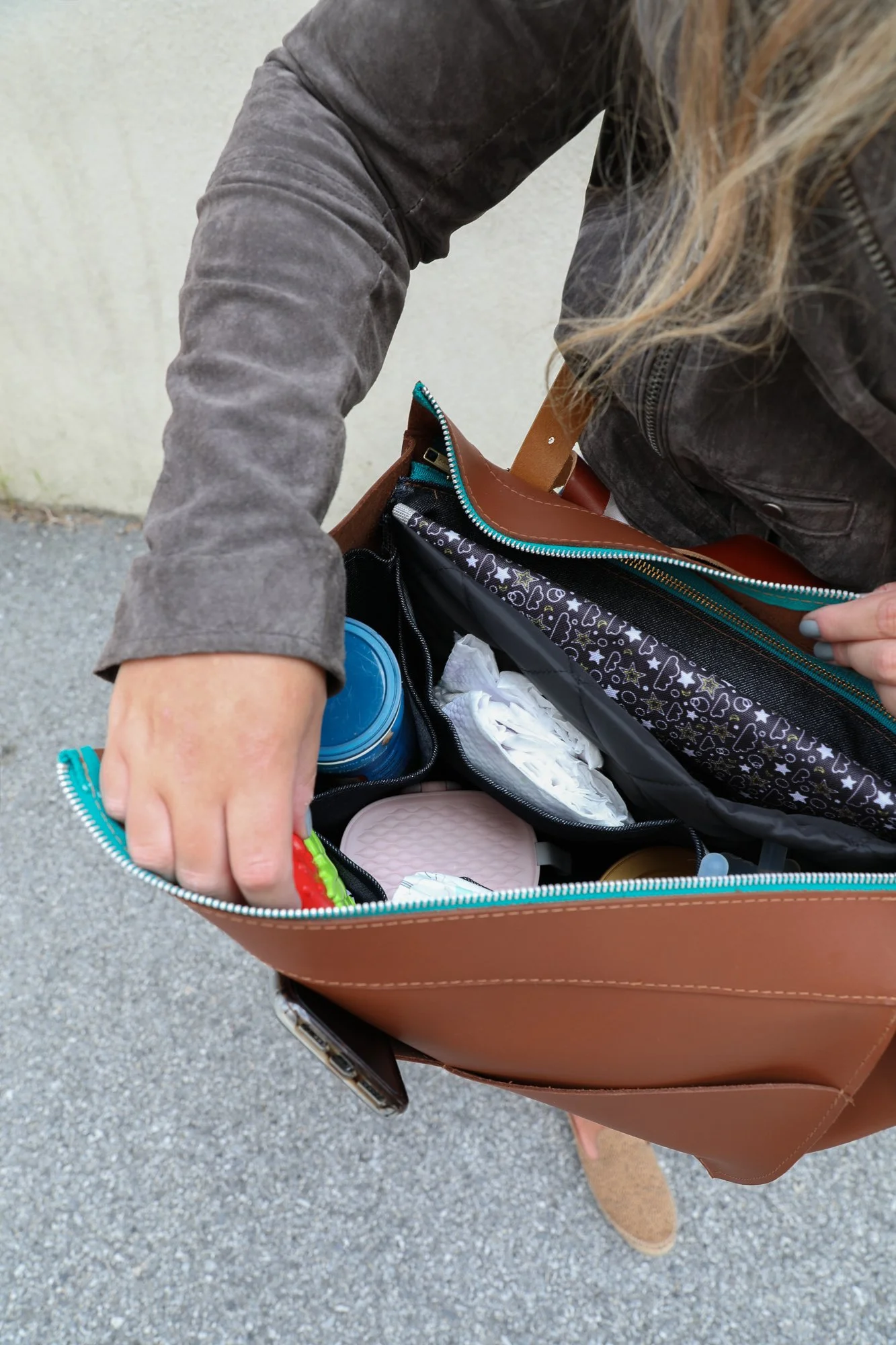
Meet the most functional diaper bag you will ever see. This bag is so much more than a diaper bag. Its long strap functions as a crossbody by pulling up, and a backpack by pulling down on the straps. Each bag comes with a fully removeable deadstock denim lining that can be washed when things get a little messy. On the back you will find a double zip pocket. Keep the bottom zipped and use it as a pocket for your cell or your train ticket, and unzip both zippers and you can slip the section onto a rolling luggage extended handle. You can also pop the wings out of the bag for a little extra space. I have a lot to say about this design, but I think the images speak for themselves.
Materials- All Leather Made in the USA. This leather is a Latigo leather, which means it is a saddle grade leather, top grain, and the best of the best.
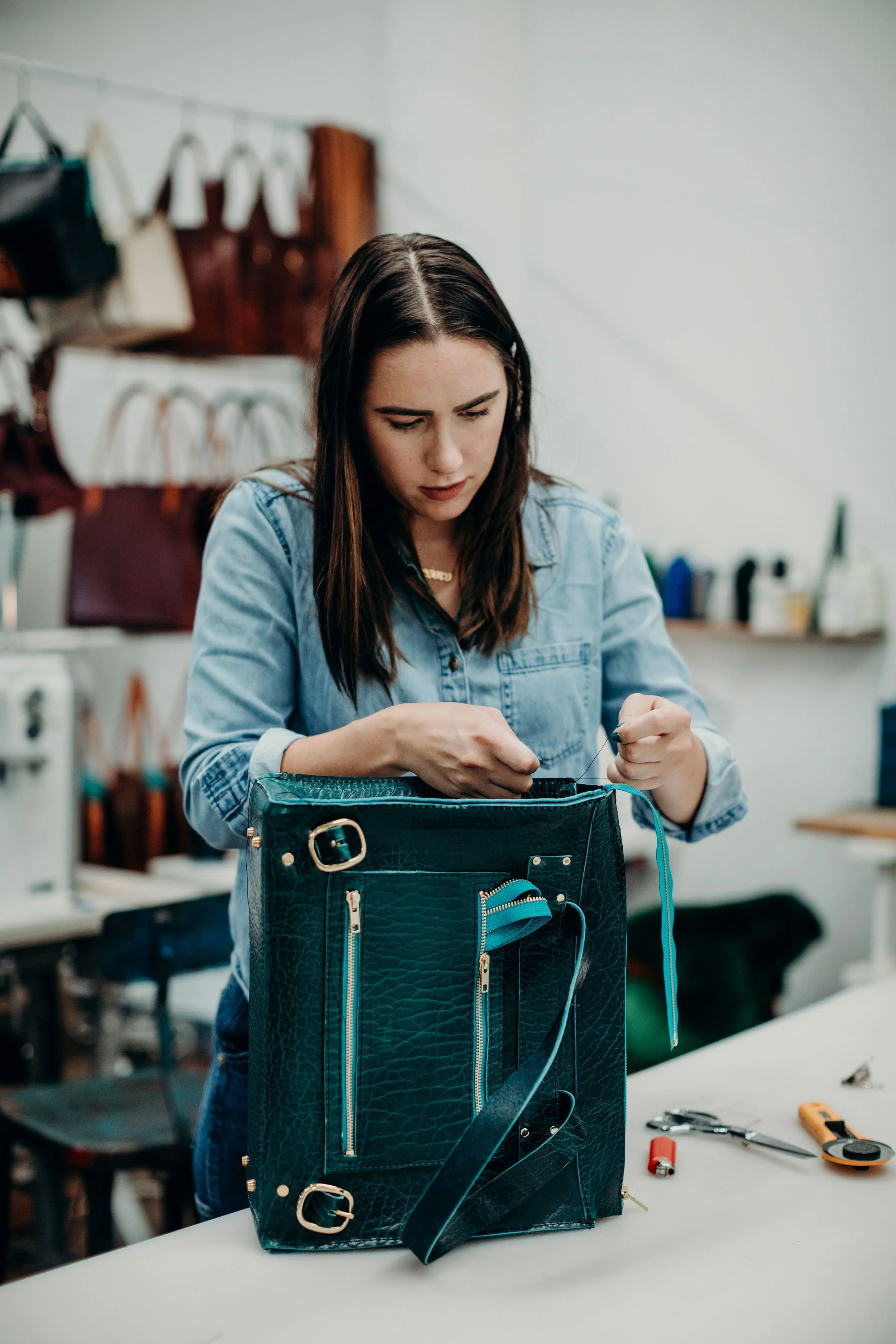
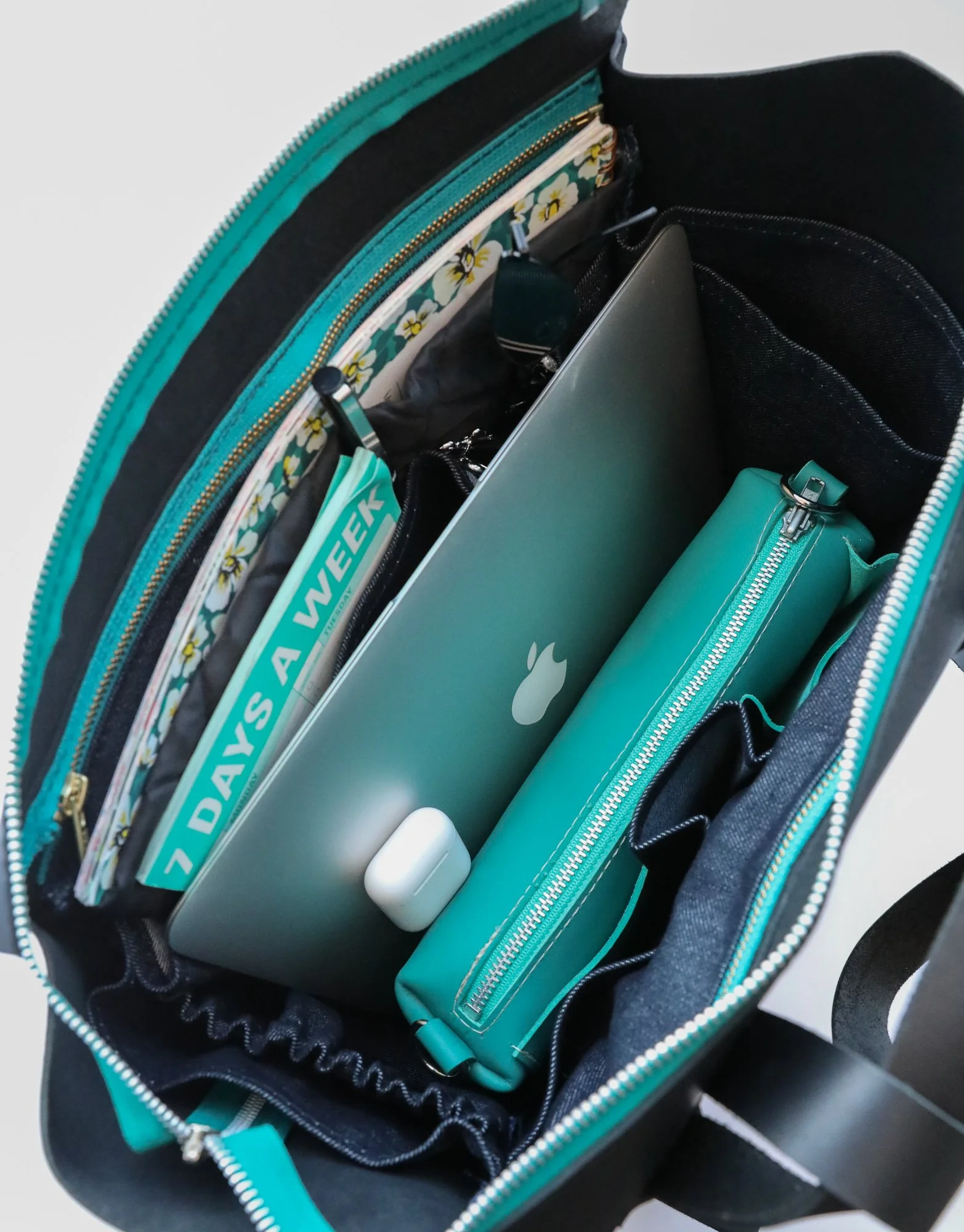
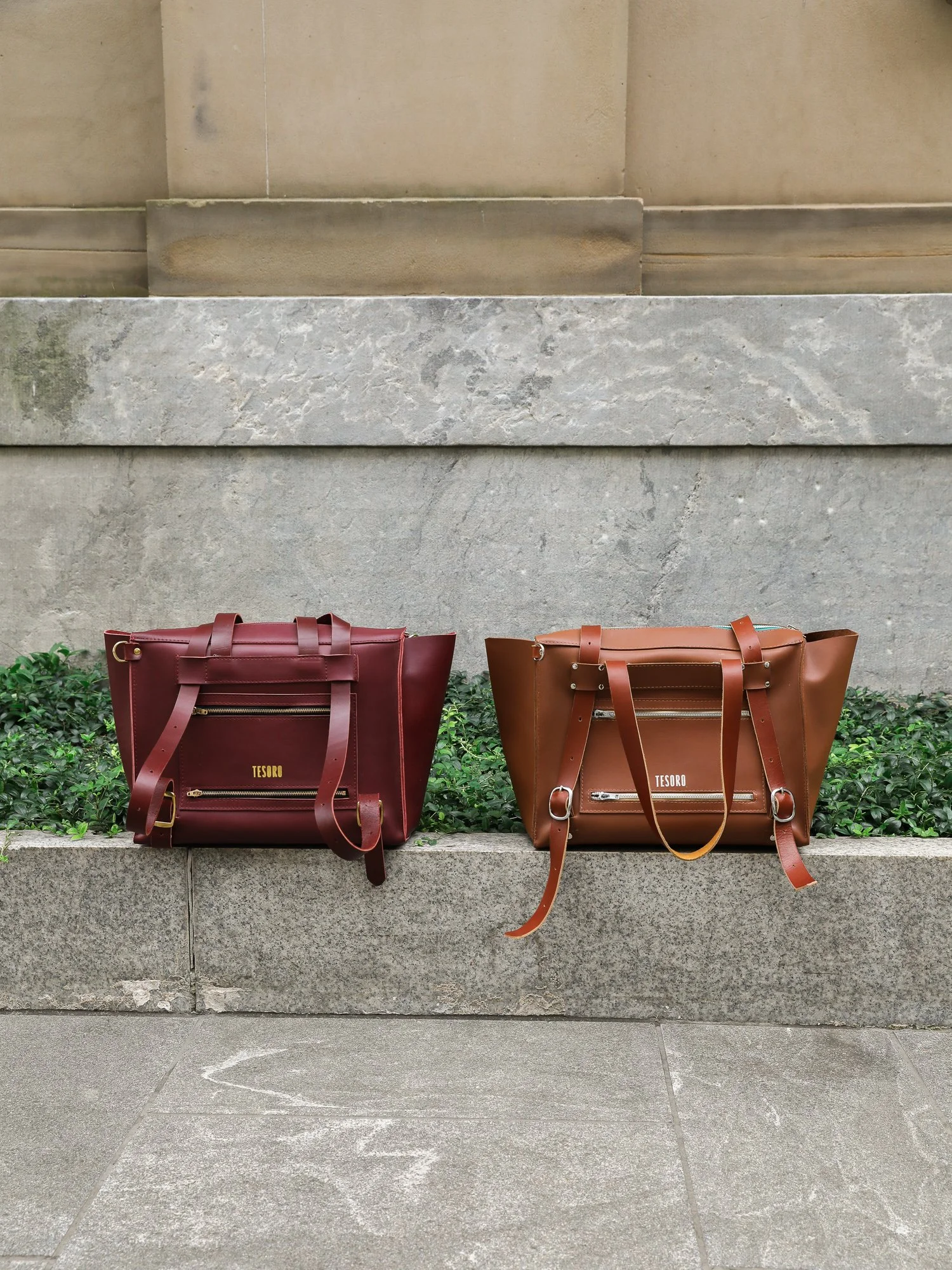
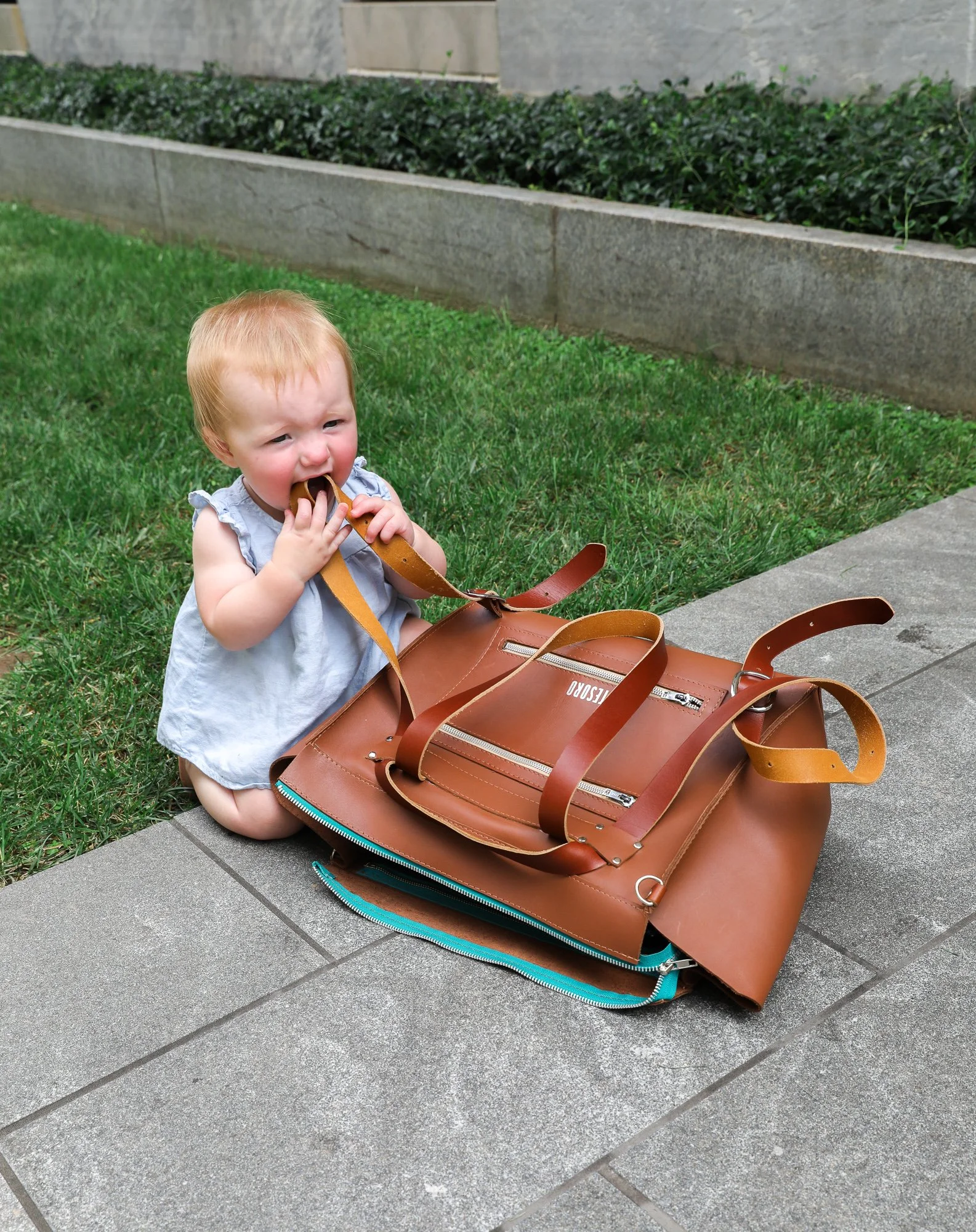
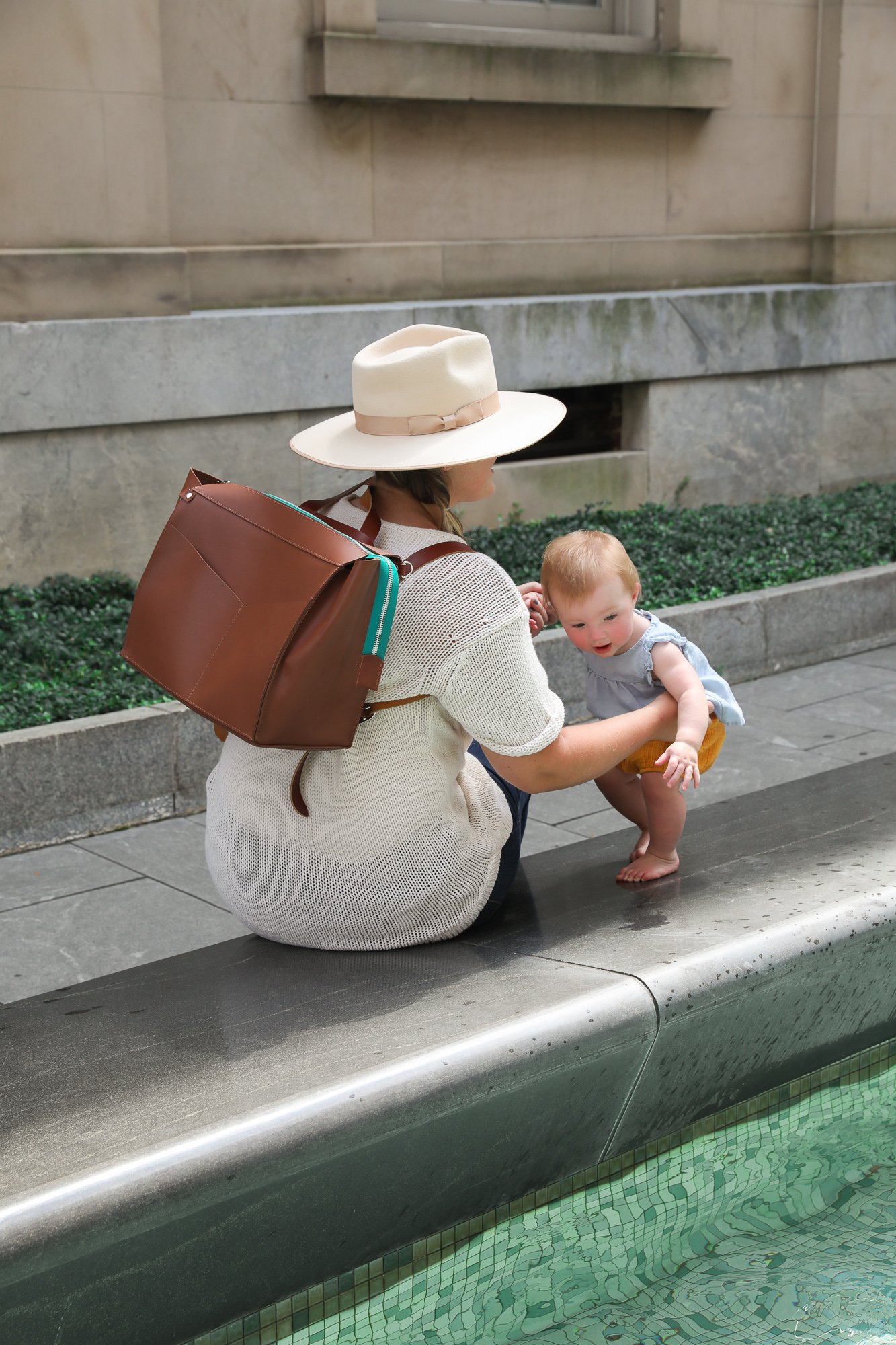
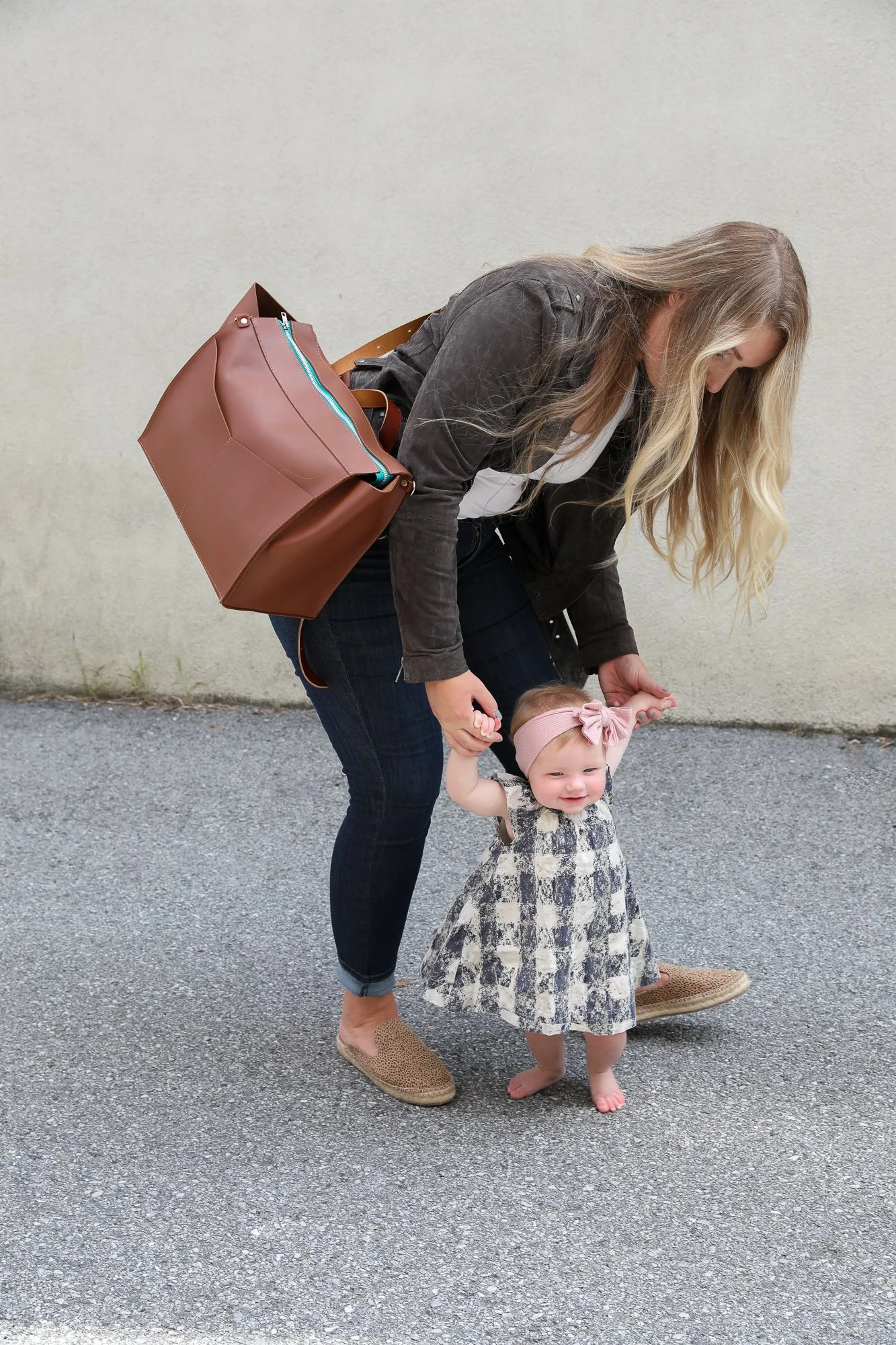
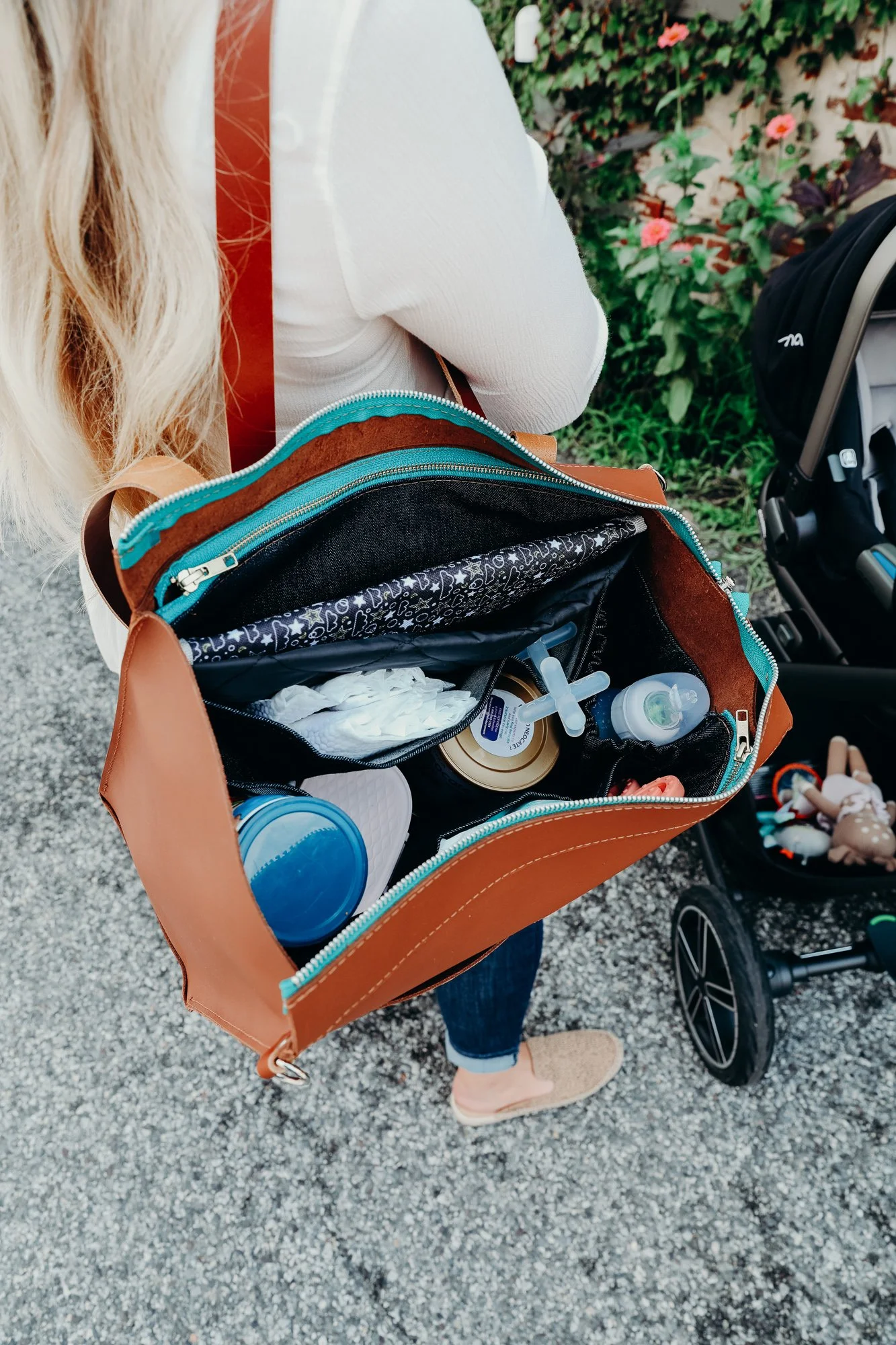
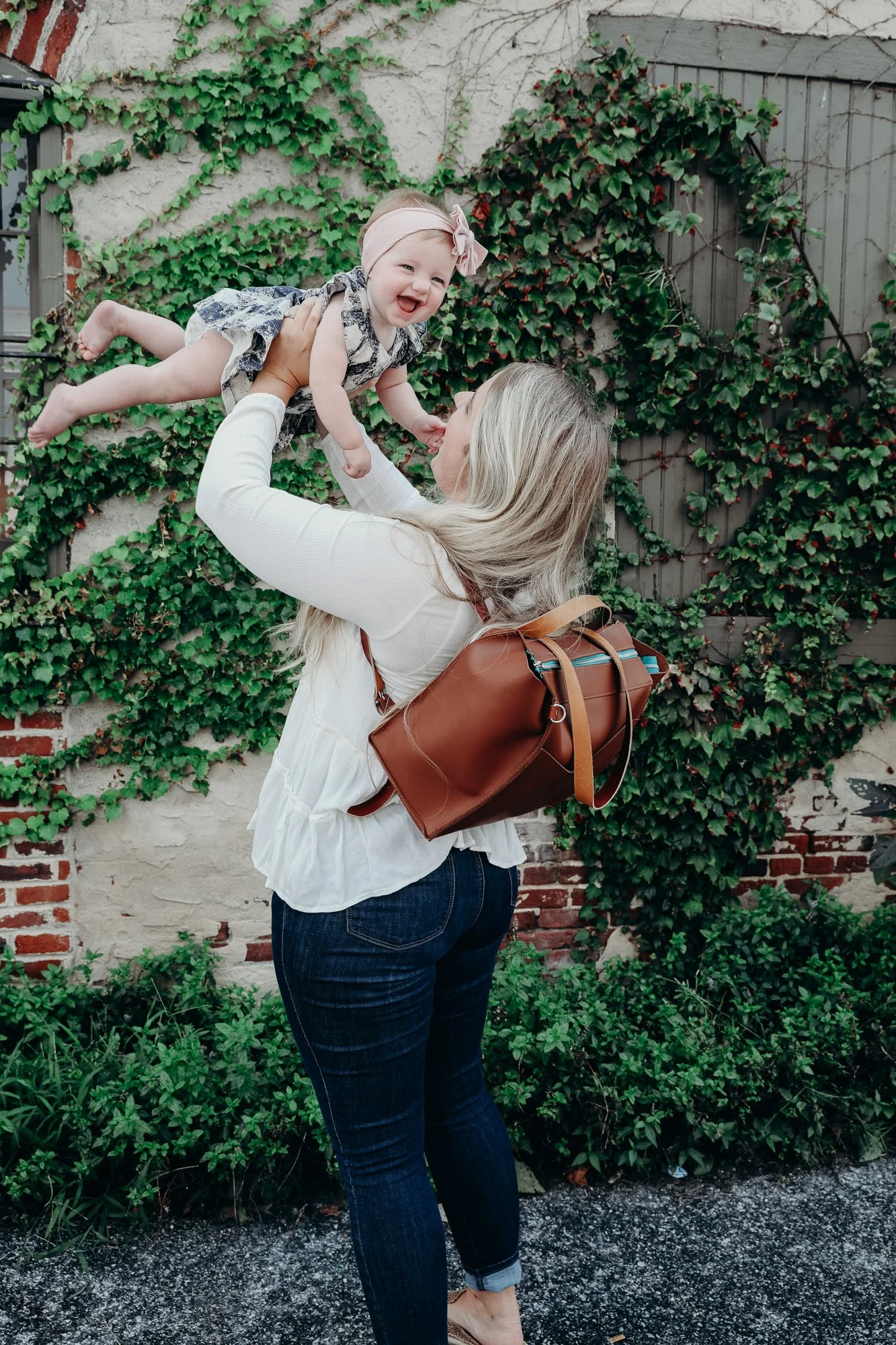
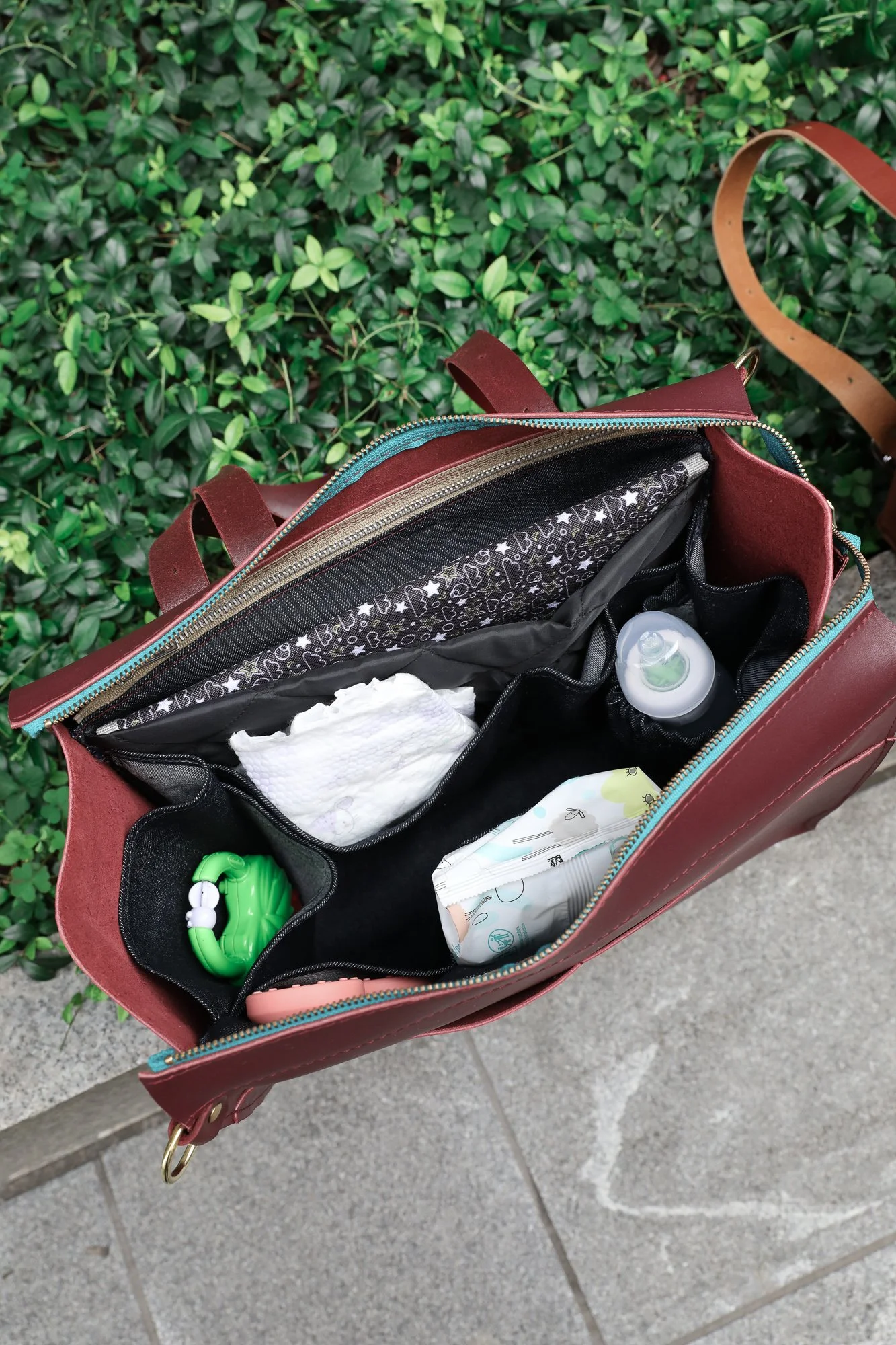
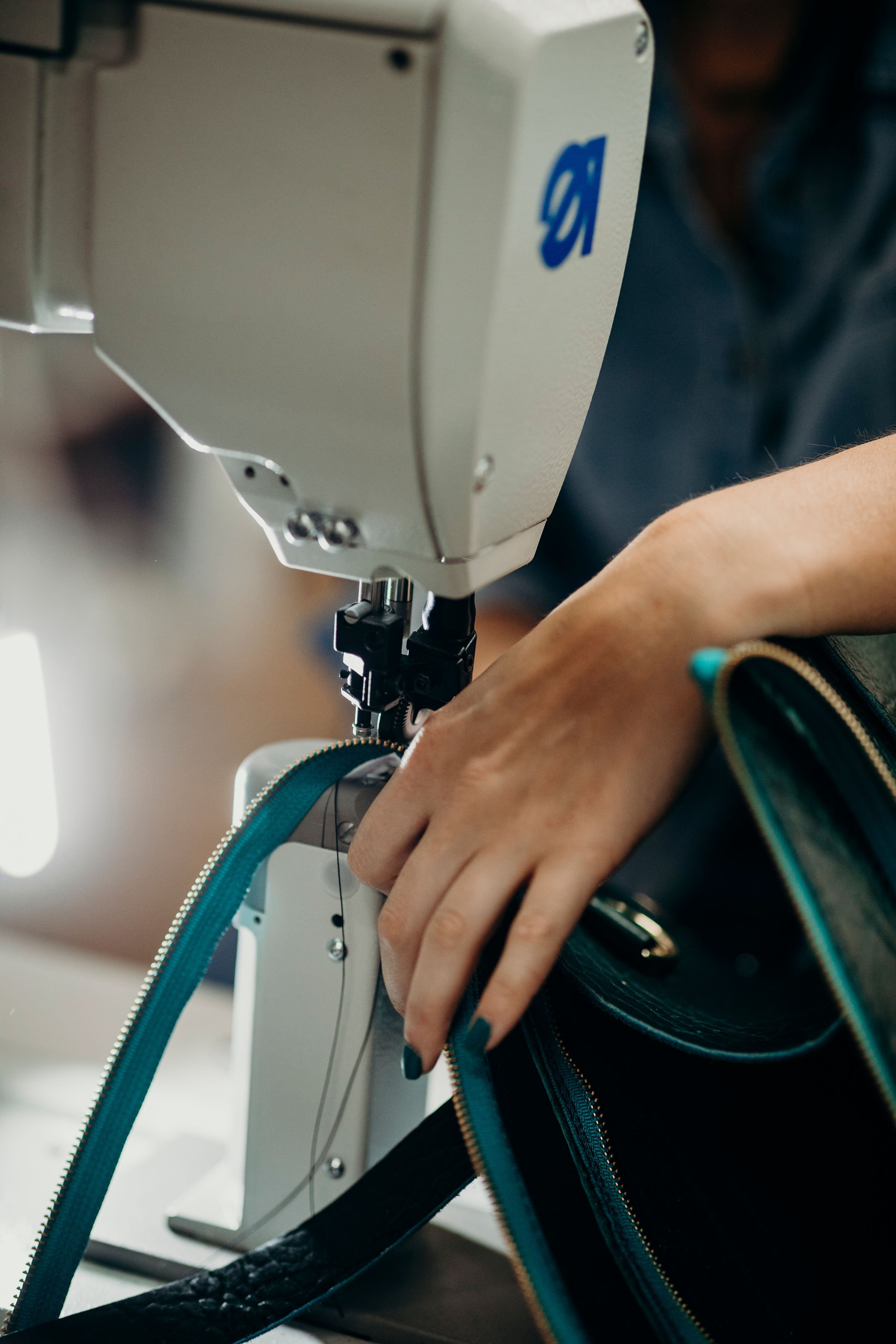
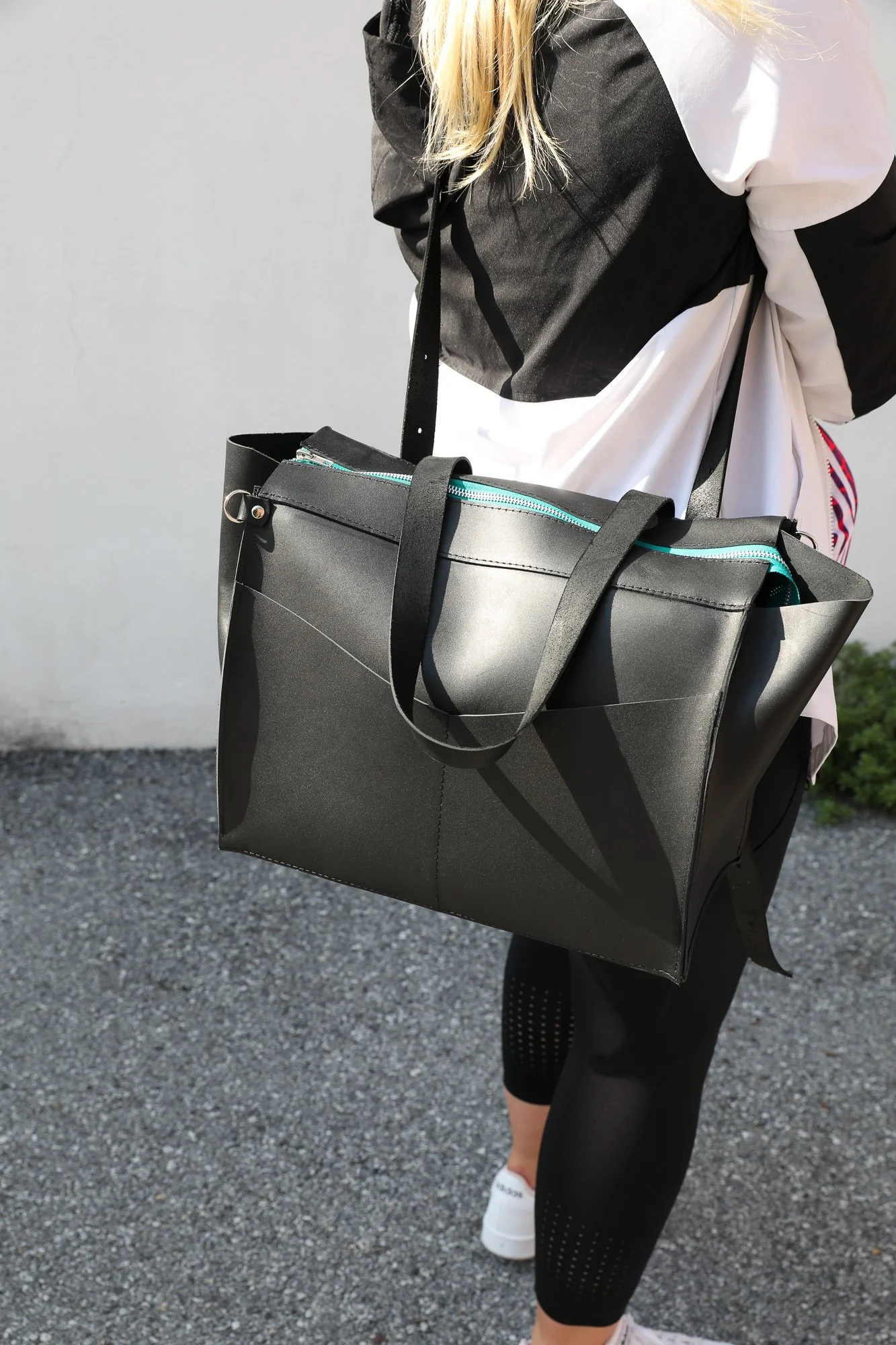
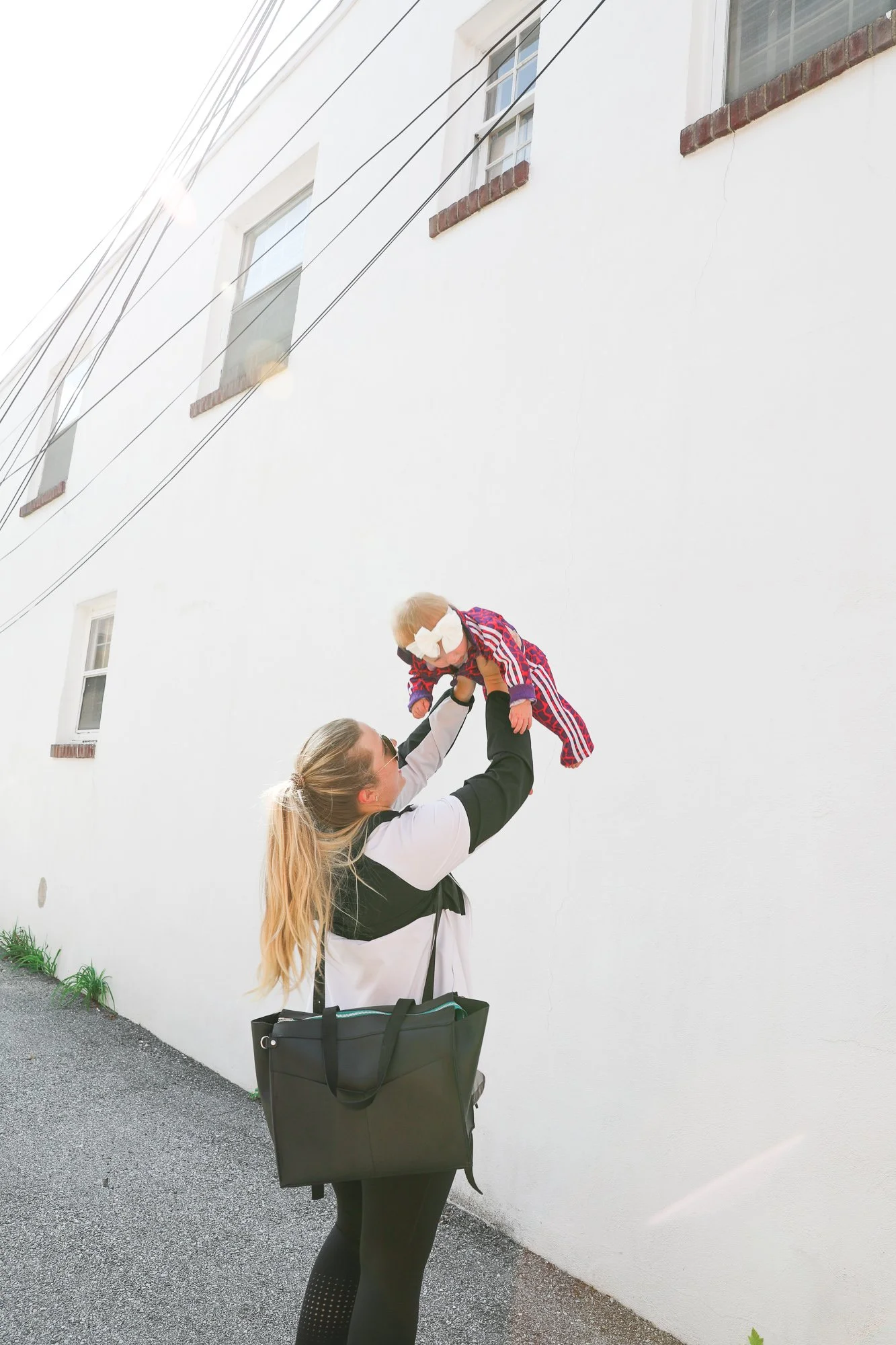
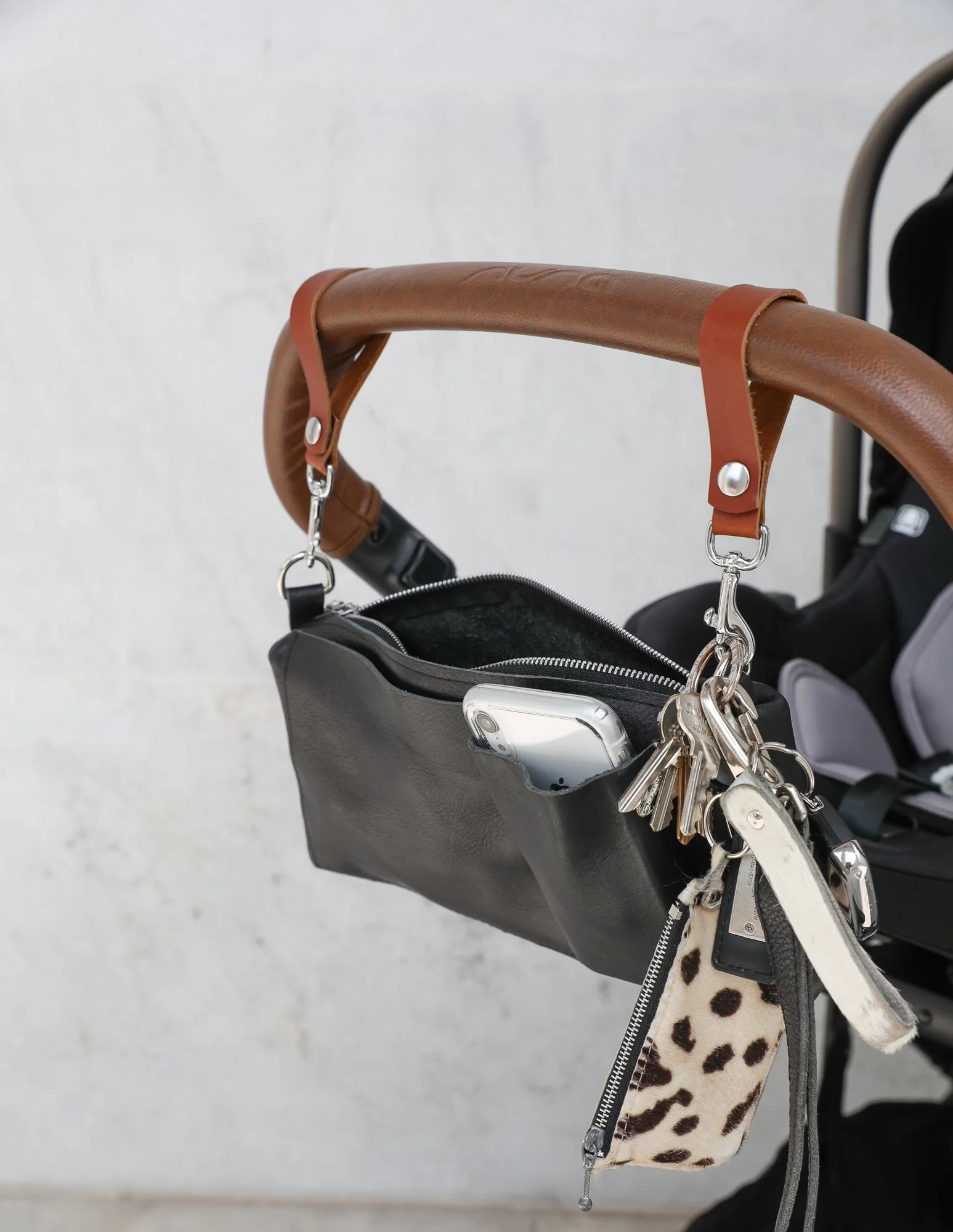
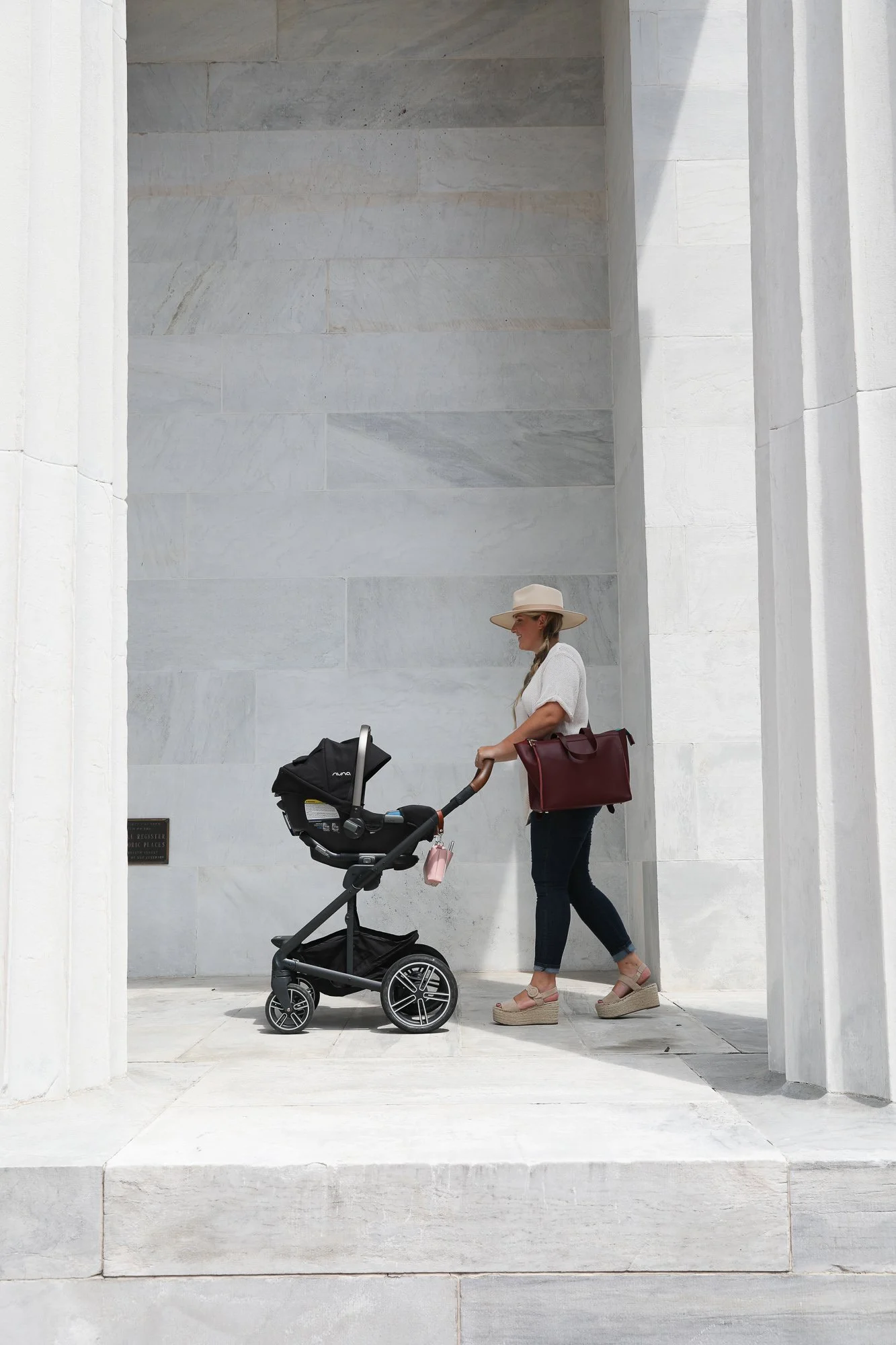
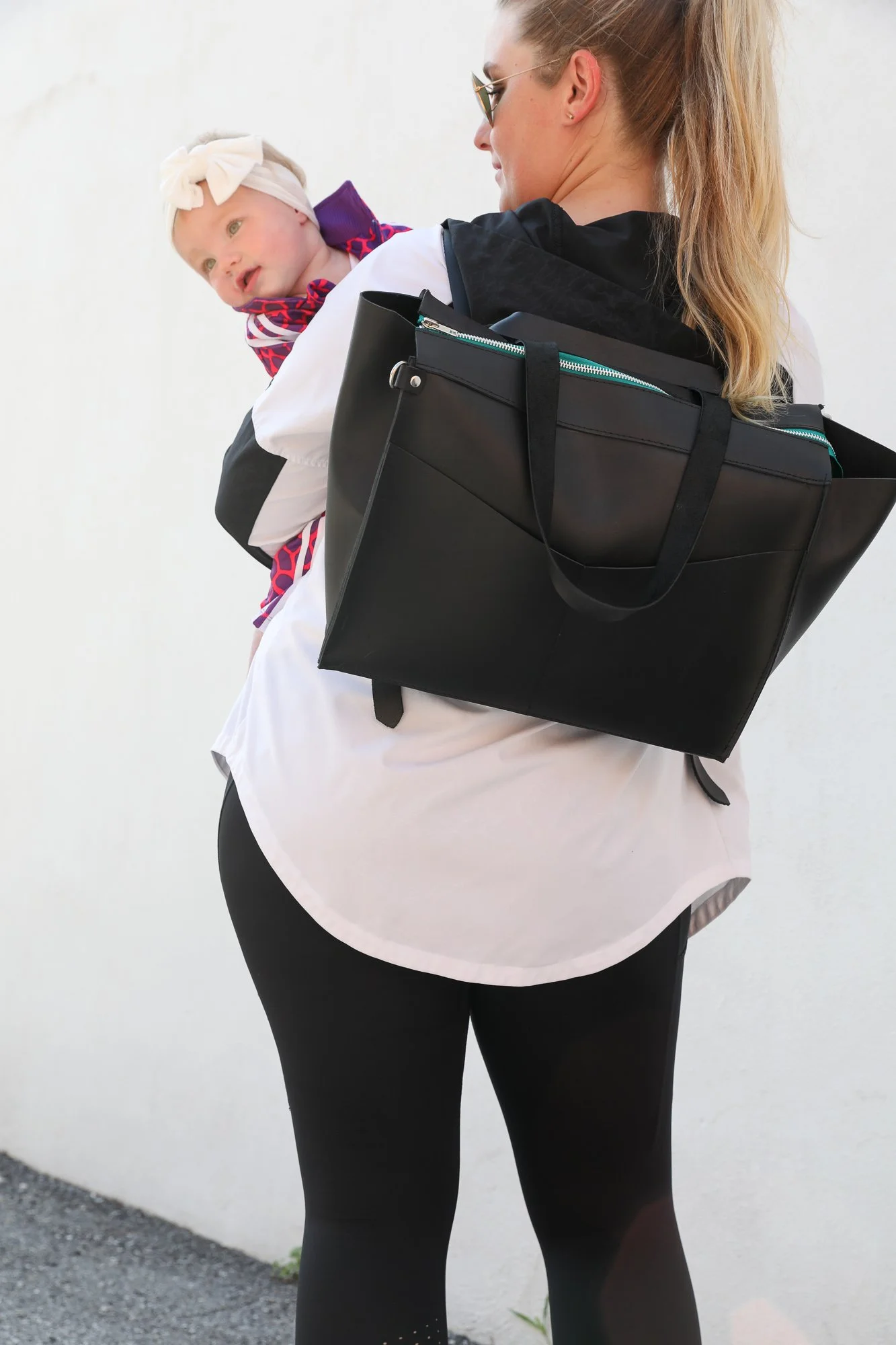
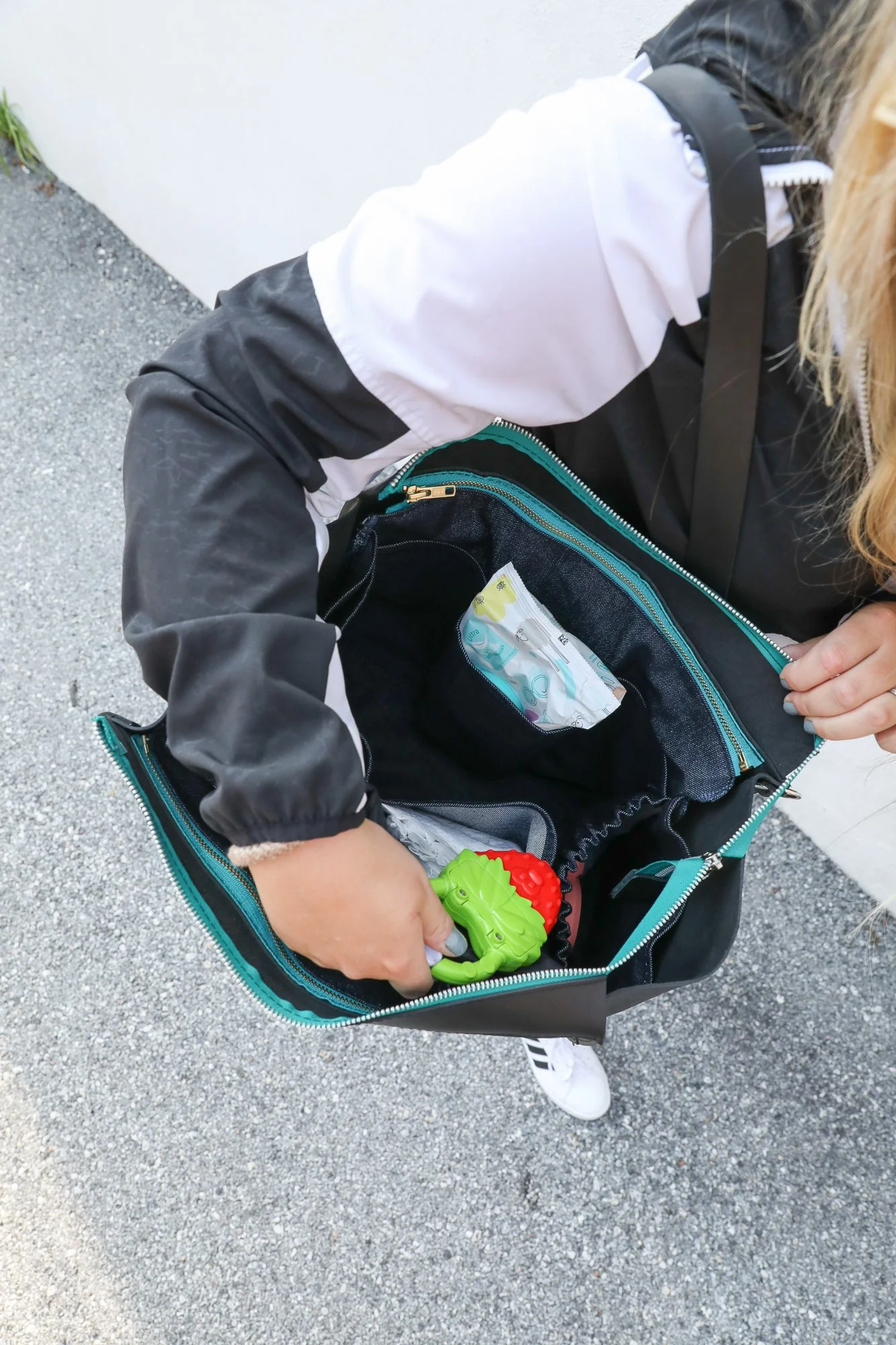
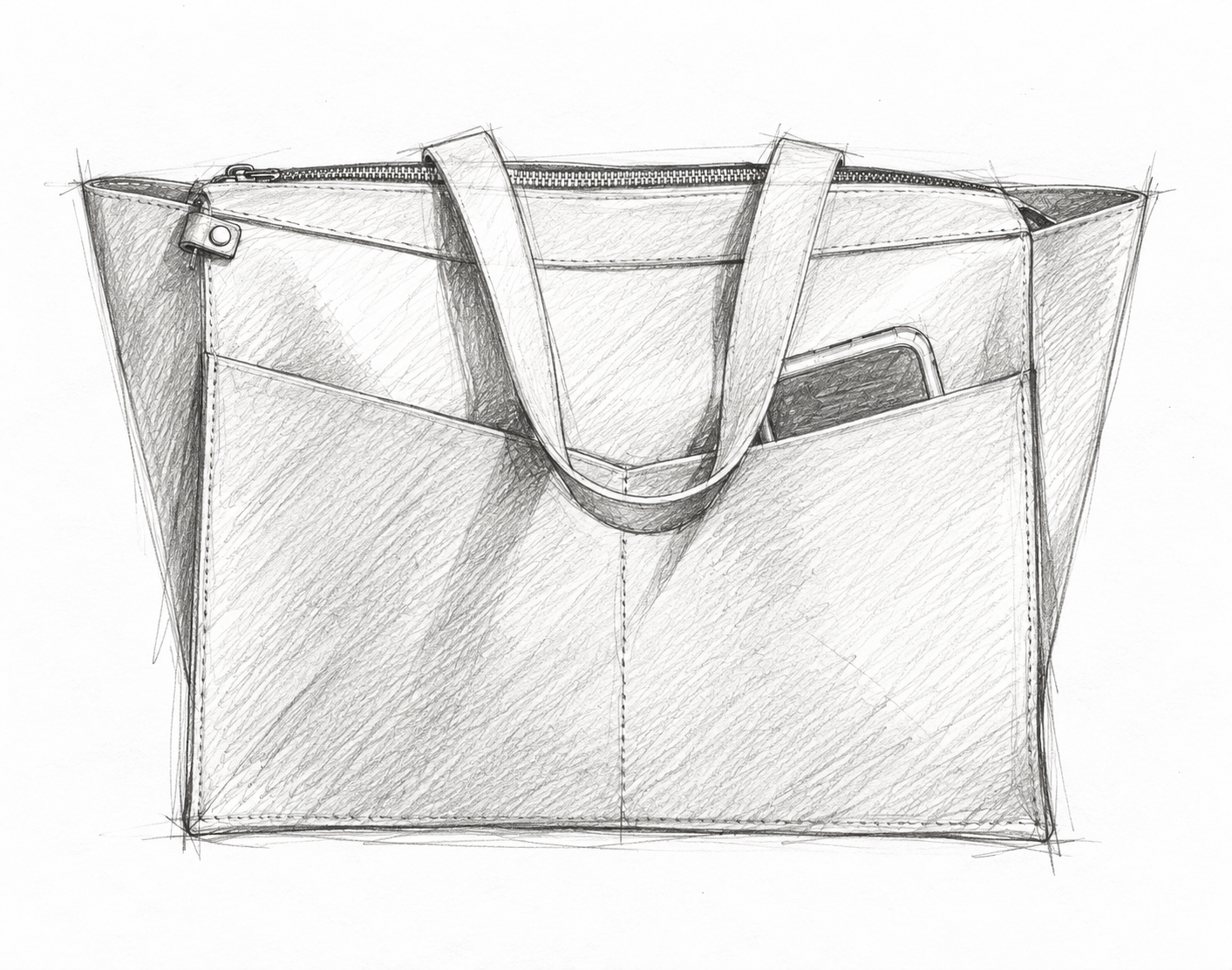
The Seba Scalloped Collection
Case Study 002
A sold out collection
Seeing where the market was going—and designing for it.
Some of my favorite product ideas start by connecting two things: what I'm seeing in the market and what our artisan partners already do exceptionally well.
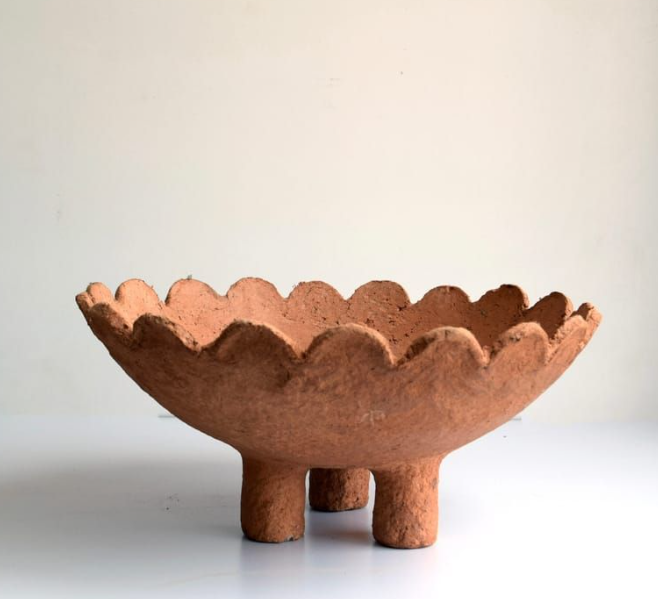
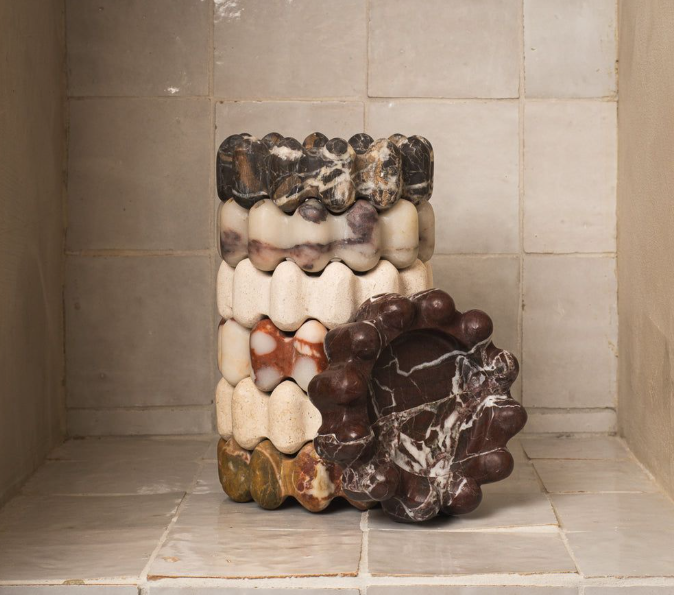
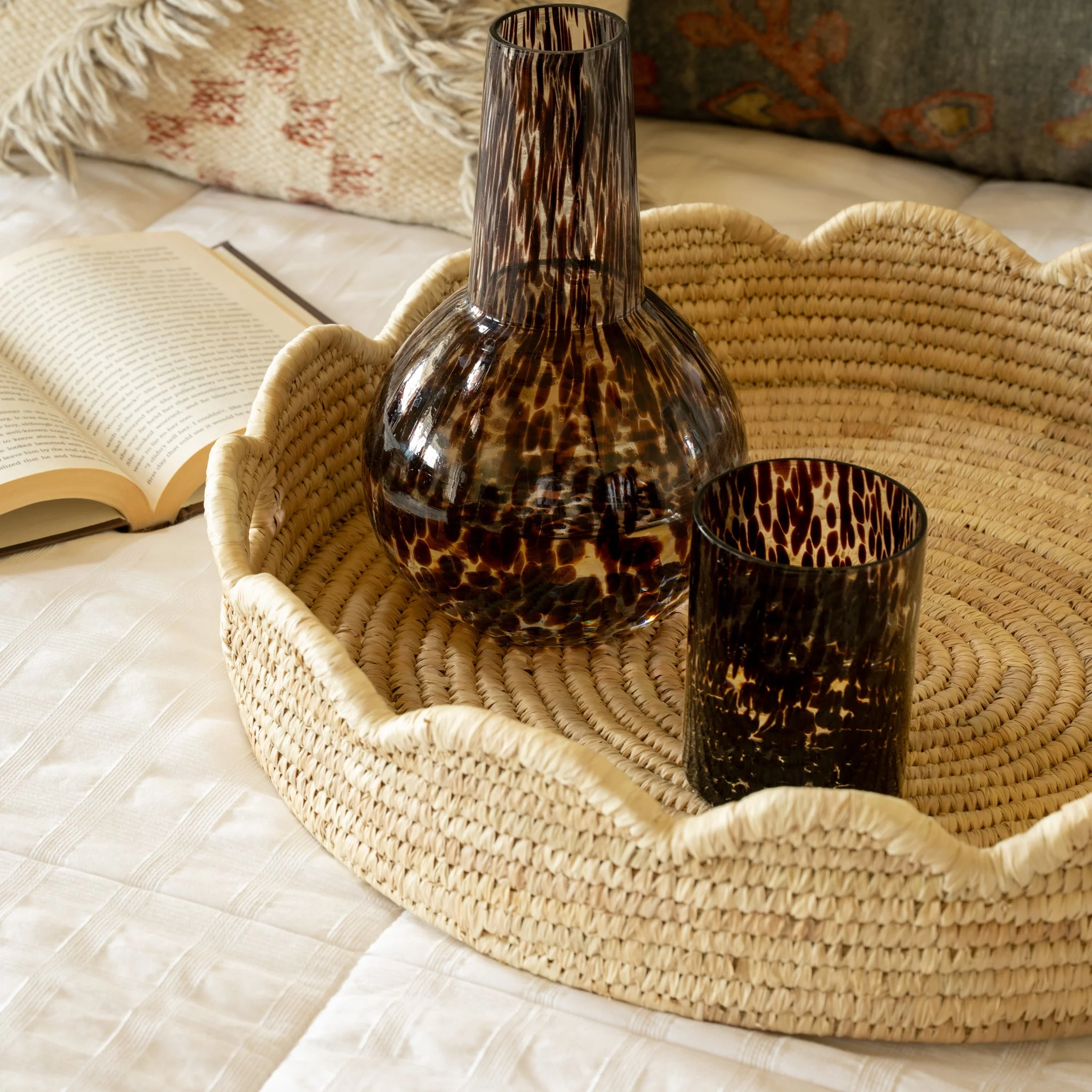
While researching home décor trends, I began noticing a shift away from rigid, minimal silhouettes toward softer shapes, curves and playful edges. Scalloped details were beginning to appear across interiors, and I believed this softer design language had staying power.
Rather than simply sourcing an existing scalloped product, I saw an opportunity to translate the trend through one of our existing artisan techniques.
From trend research to original design
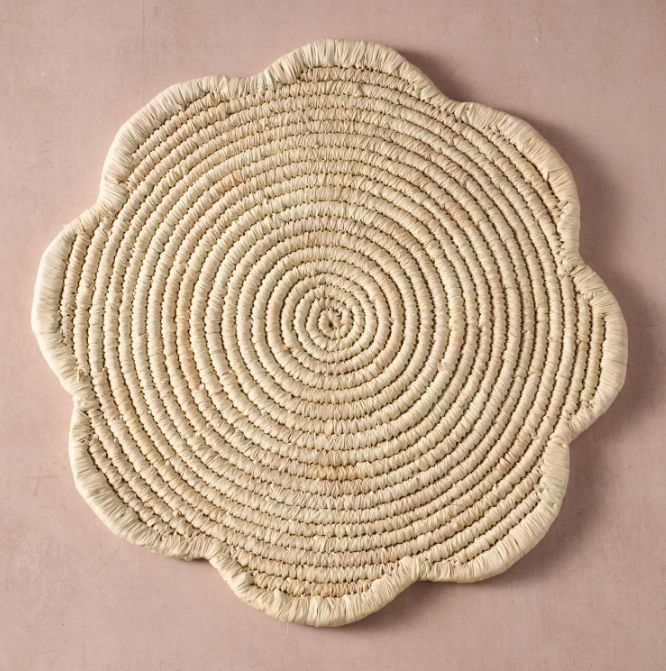
Our artisan partners in Bangladesh were already highly skilled in handweaving natural date palm leaf. I loved the warmth and texture of the material, but I wanted to rethink the silhouette.
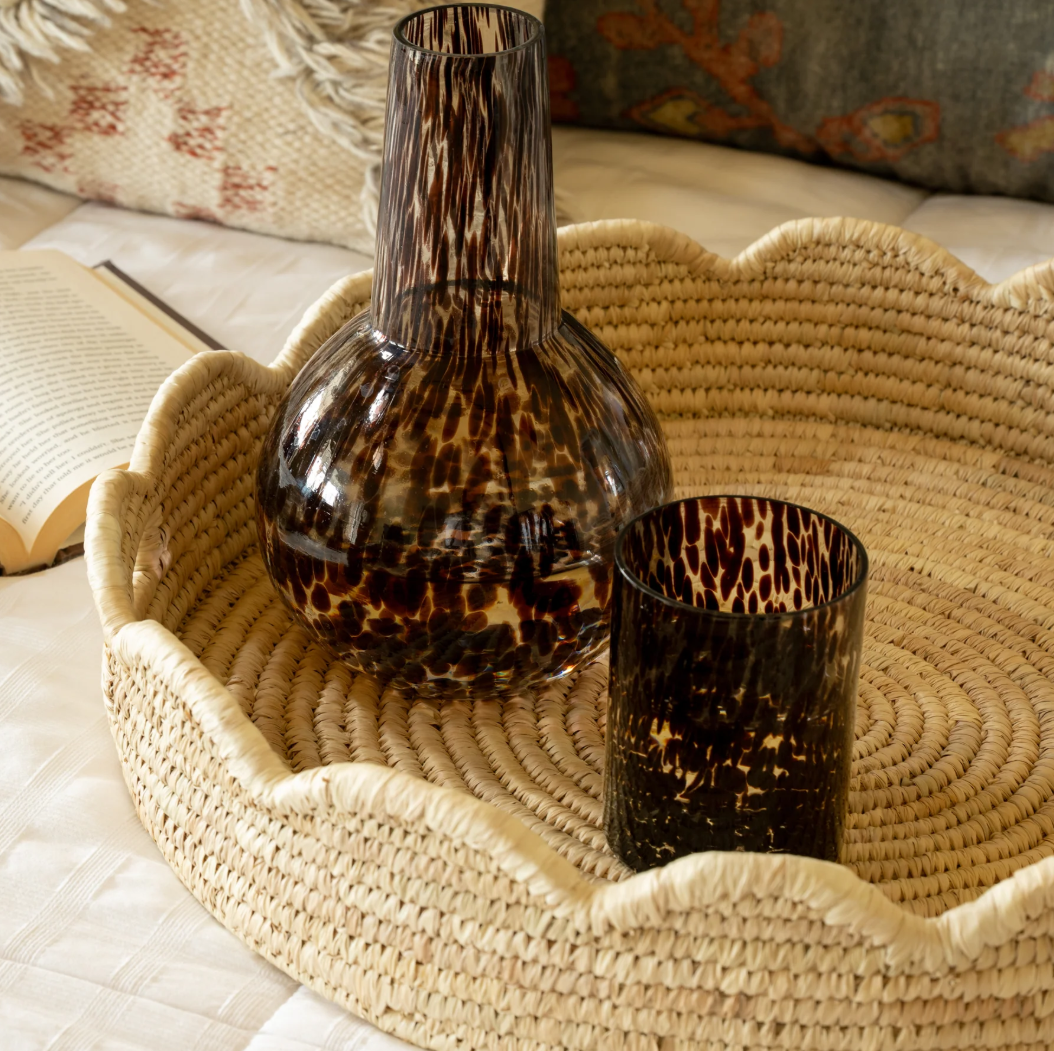
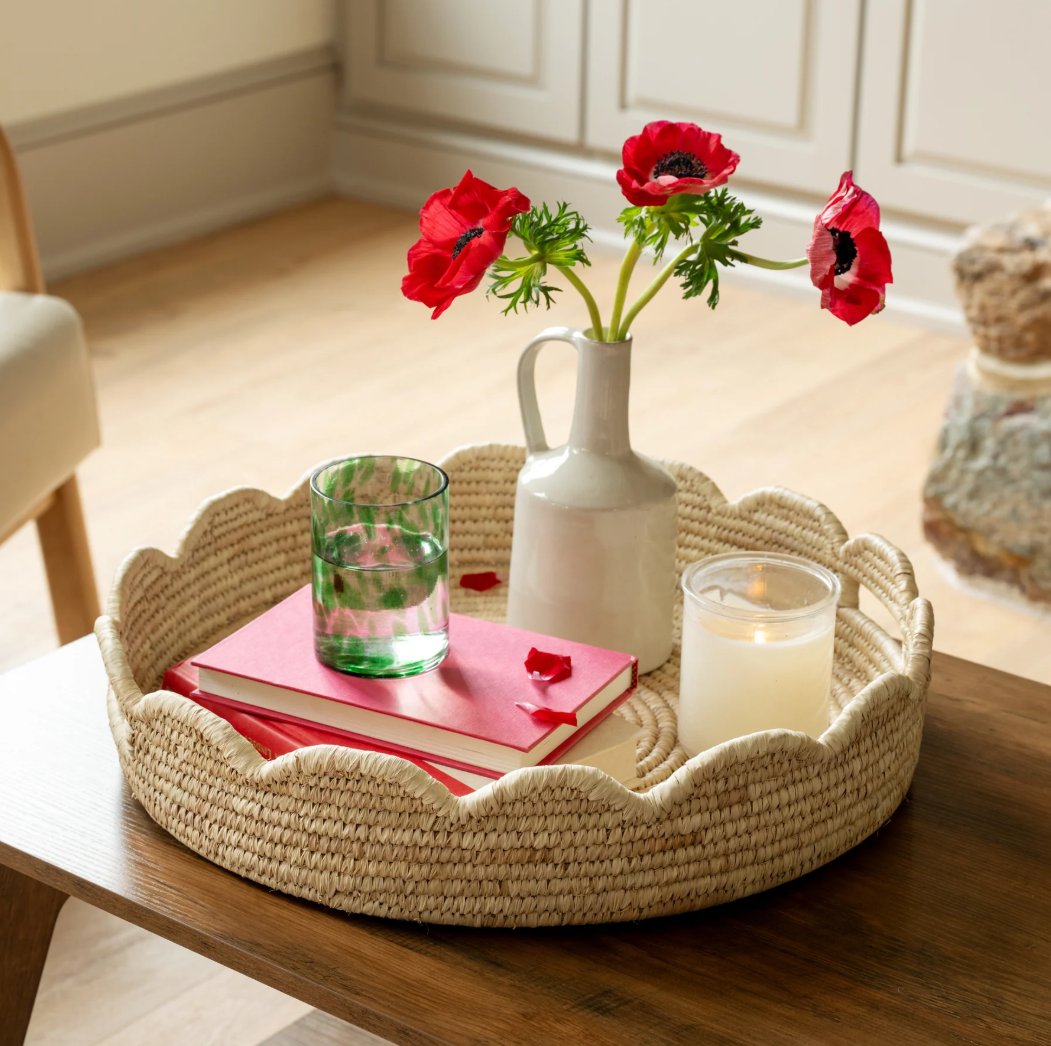
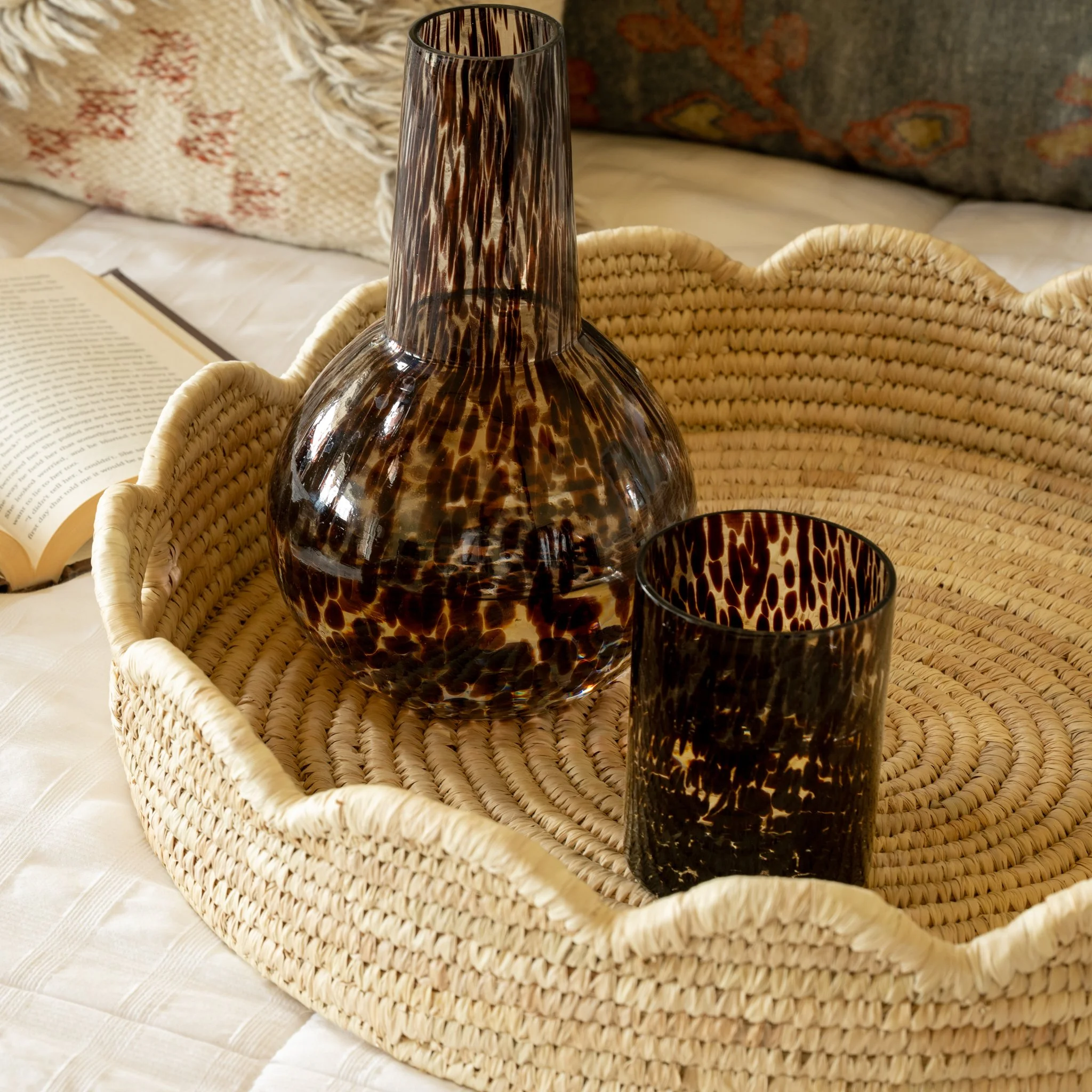
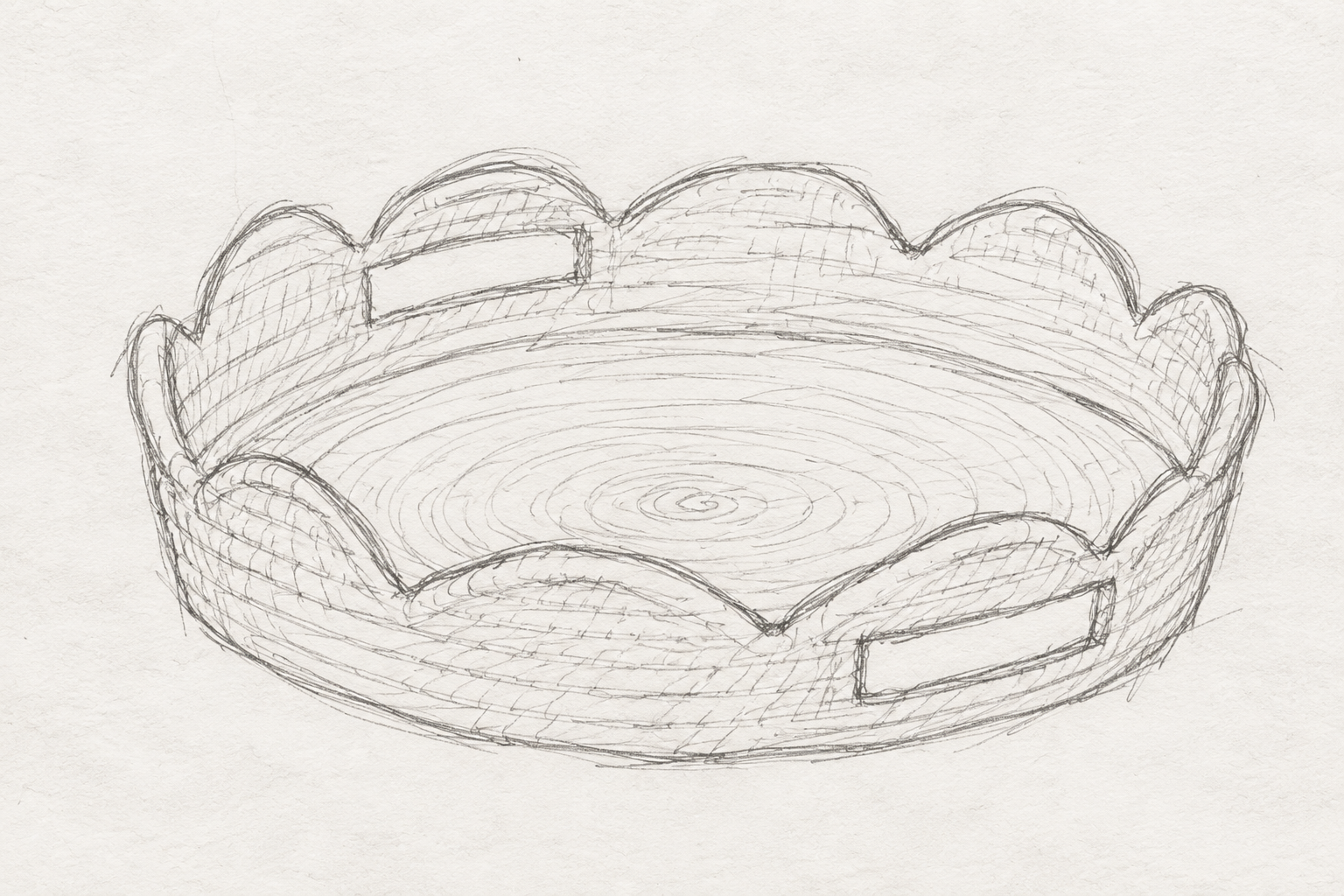
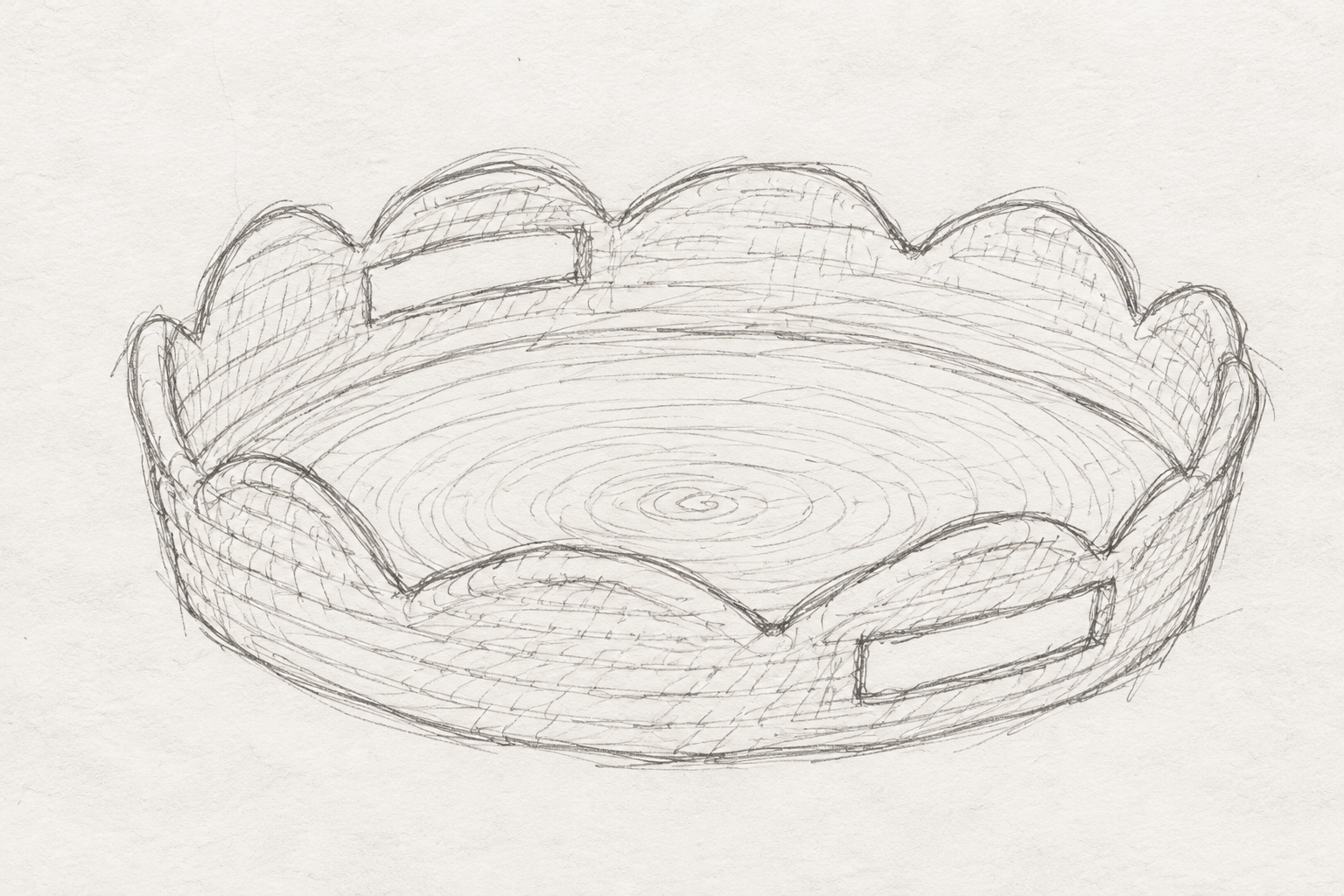
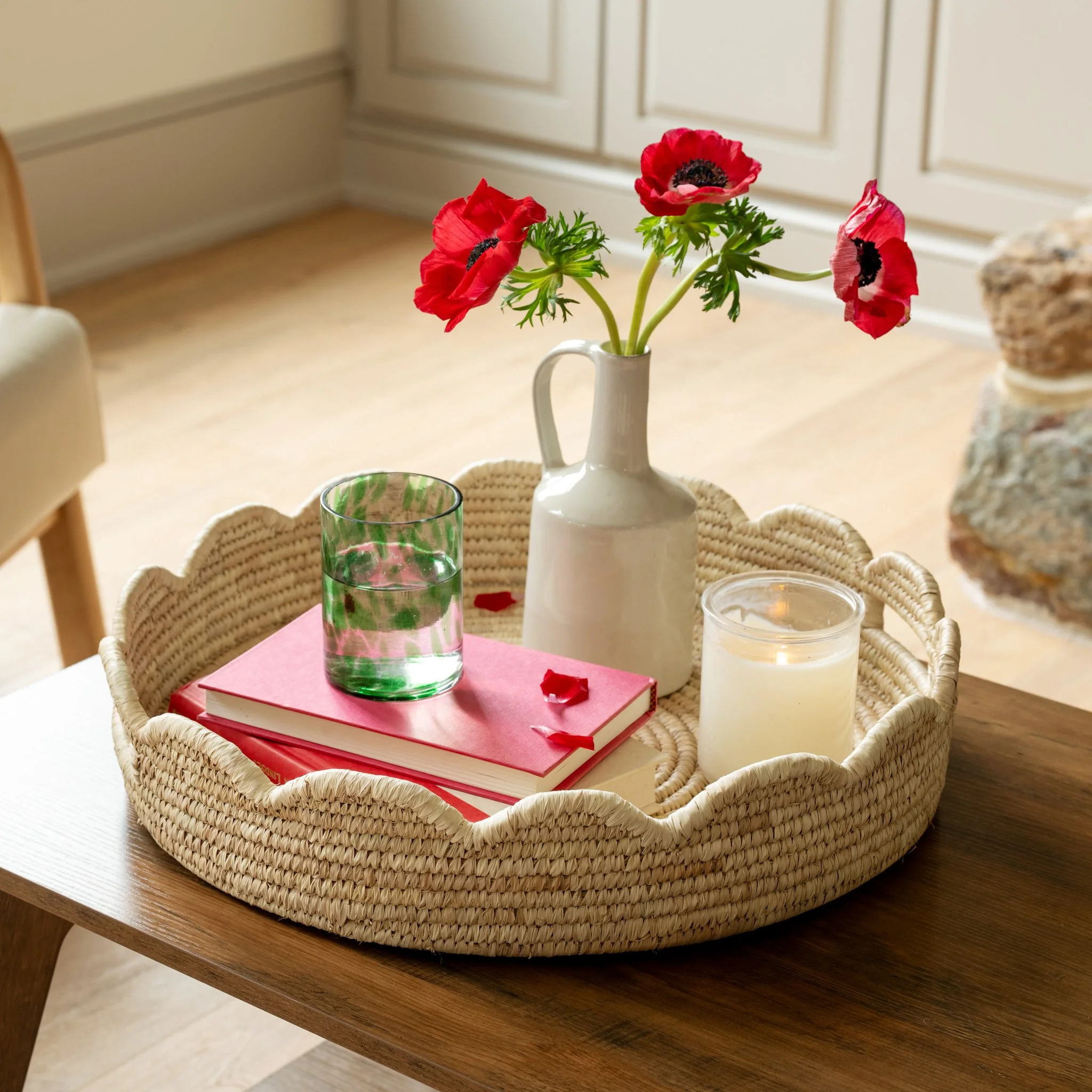
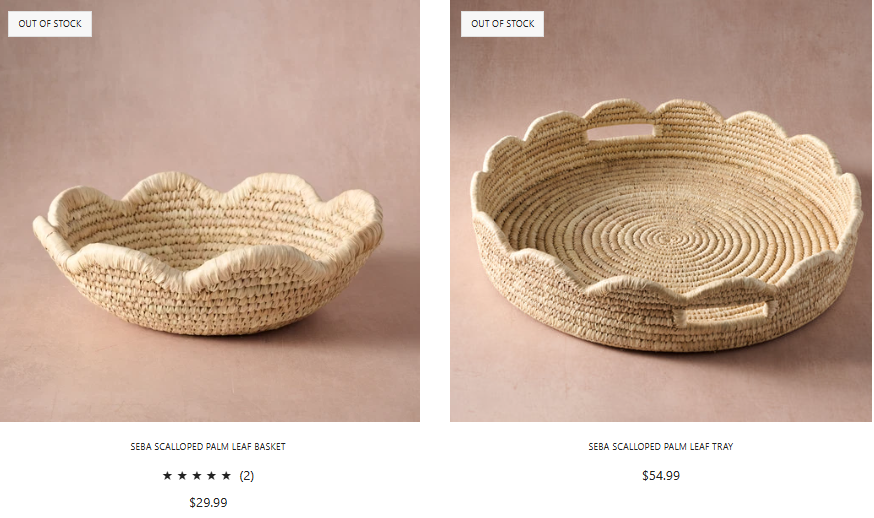
I developed the scalloped edge as the defining feature of the collection, transforming a traditional woven basket and tray into something softer, more decorative and more aligned with where I saw the home market moving.
The challenge was to make the scallop feel intentional without losing the organic quality that makes a handmade product special.
Designing for our customer—not just the trend
Trend research is useful, but I don't believe in developing something simply because it's trending.
For me, the more important question is:
Does this trend make sense for the brand, the customer and the maker?
Here, it did.
The scalloped silhouette brought a contemporary point of view to a natural material, while the neutral palm leaf kept the collection versatile and approachable. The pieces could live comfortably in a modern home without losing the handwoven character at the center of the product.
I also designed the concept across multiple forms, allowing the scalloped edge to become a recognizable collection language rather than a one-off detail.
Designing with the maker in mind
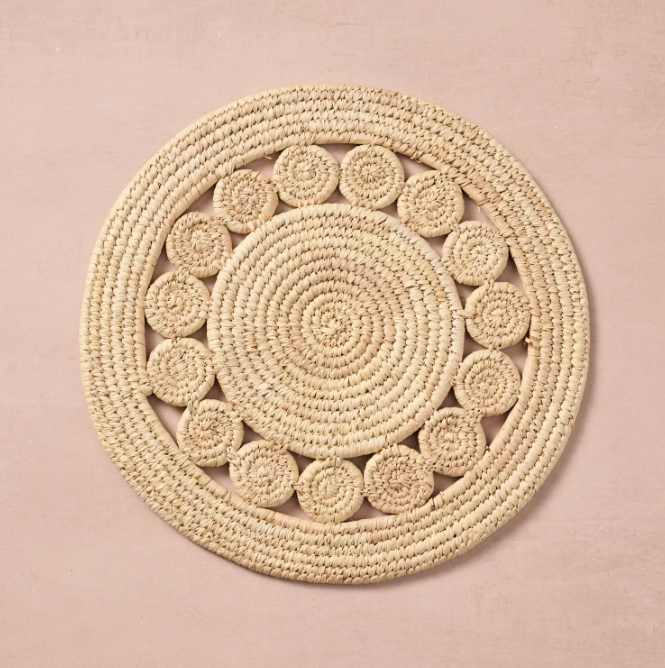
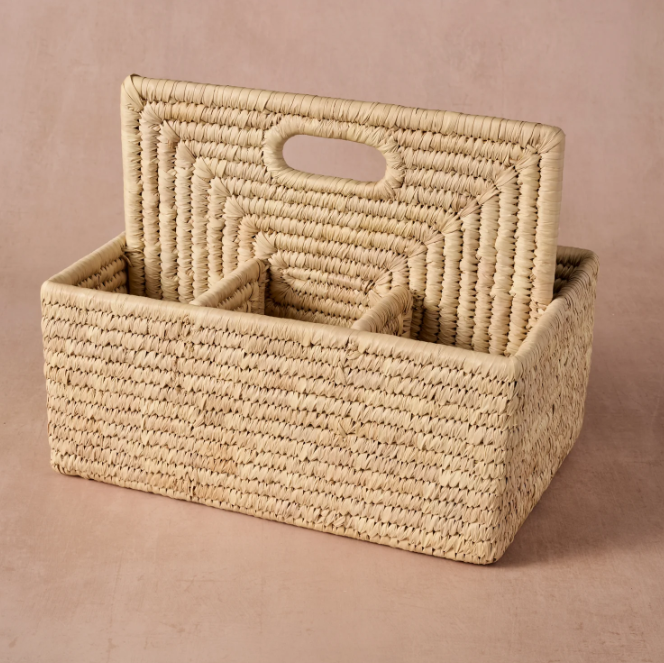
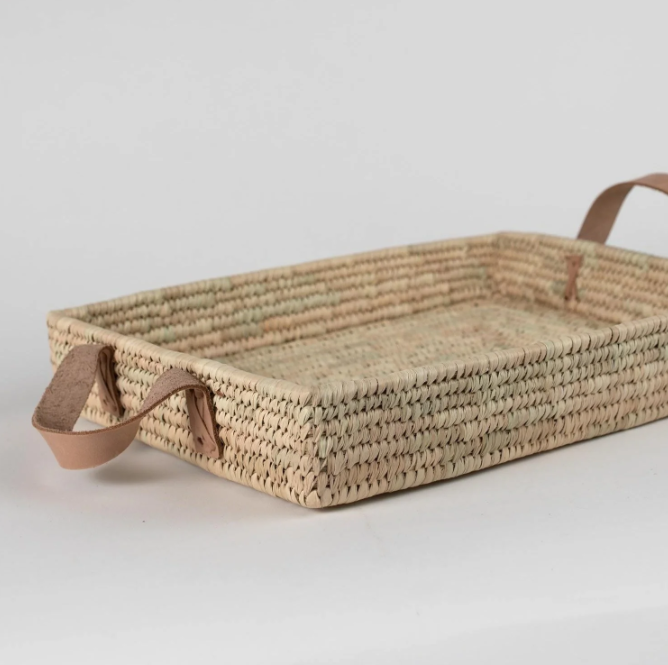
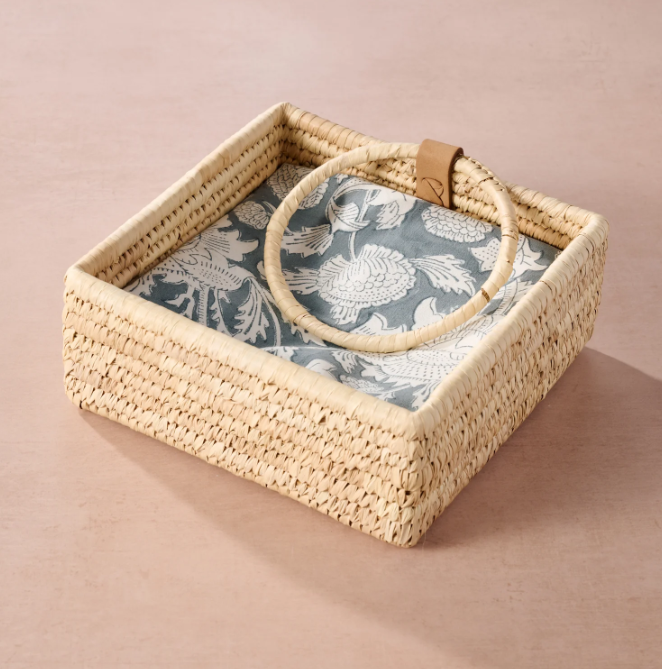
The collection was handcrafted by a partner in Bangladesh, a Ten Thousand Villages artisan partner since 1983.
One of the most important parts of my design process is understanding what a maker already does well and finding opportunities to evolve that craft for today's market.
Instead of asking an artisan partner to adopt an entirely unfamiliar process, I was able to take an existing material and weaving expertise and introduce a new silhouette around it.
Their craft became the foundation. My role was identifying where we could take it next.
And then it sold out.
The collection ultimately sold through.
For me, that's what made this project especially meaningful. The scalloped edge started as an observation during trend research, became a design idea, was translated through an existing artisan technique, and ultimately became a product customers responded to.
It's also a good example of how I approach product development:
See the opportunity. Understand the maker. Design for the customer. Then connect the three.
01 — TREND RESEARCH
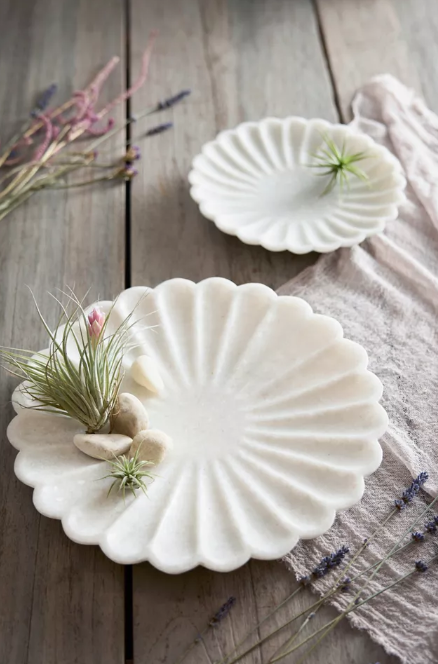
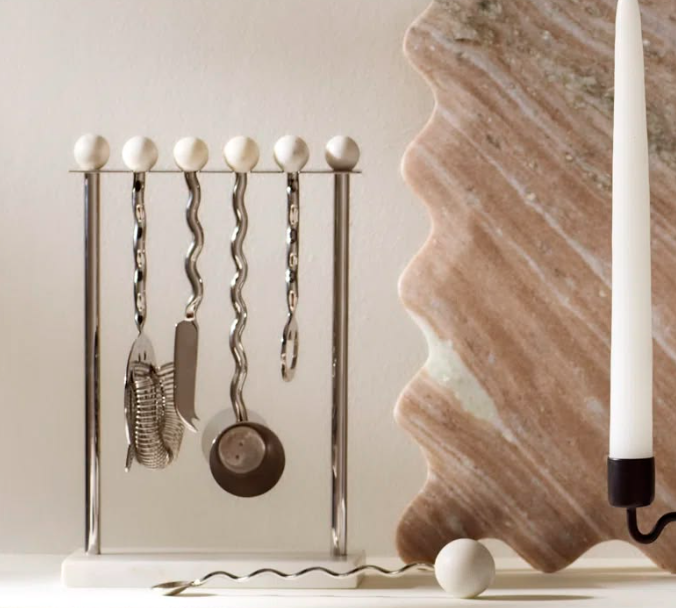
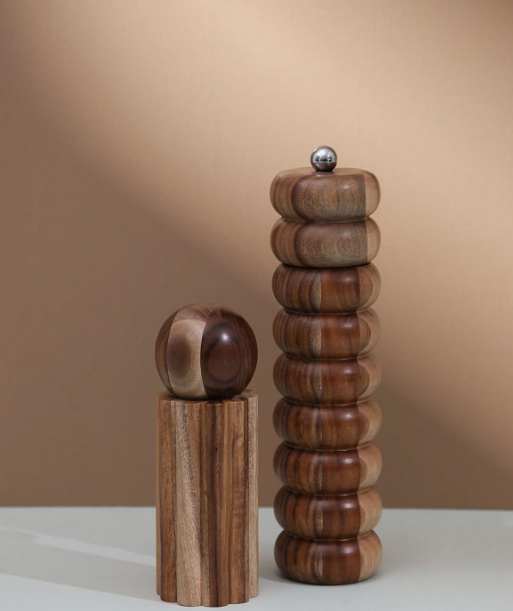
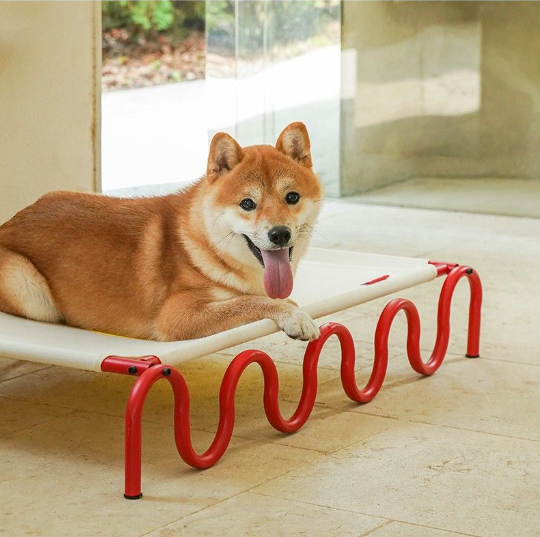
02 — THE OPPORTUNITY
These existing products are longtime sellers at Villages, and they were my inspiration for these new products..
03 — MY DESIGN
04 — THE COLLECTION
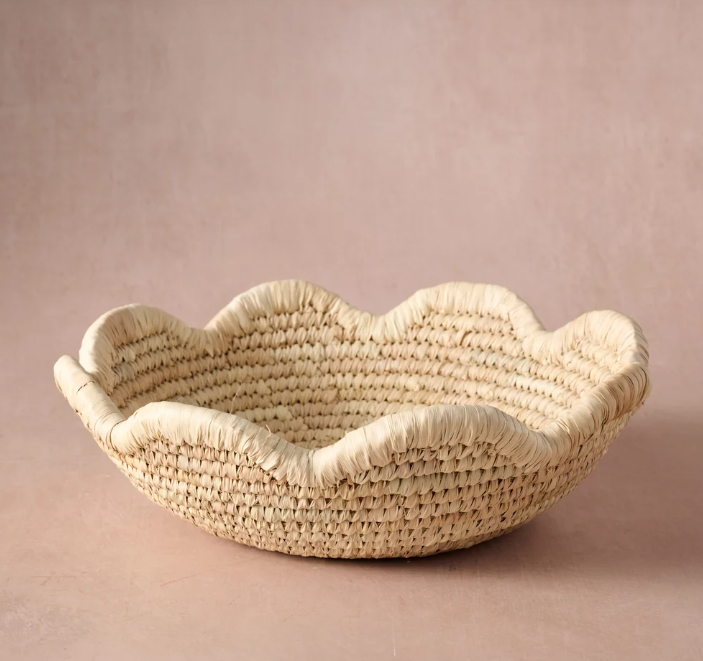
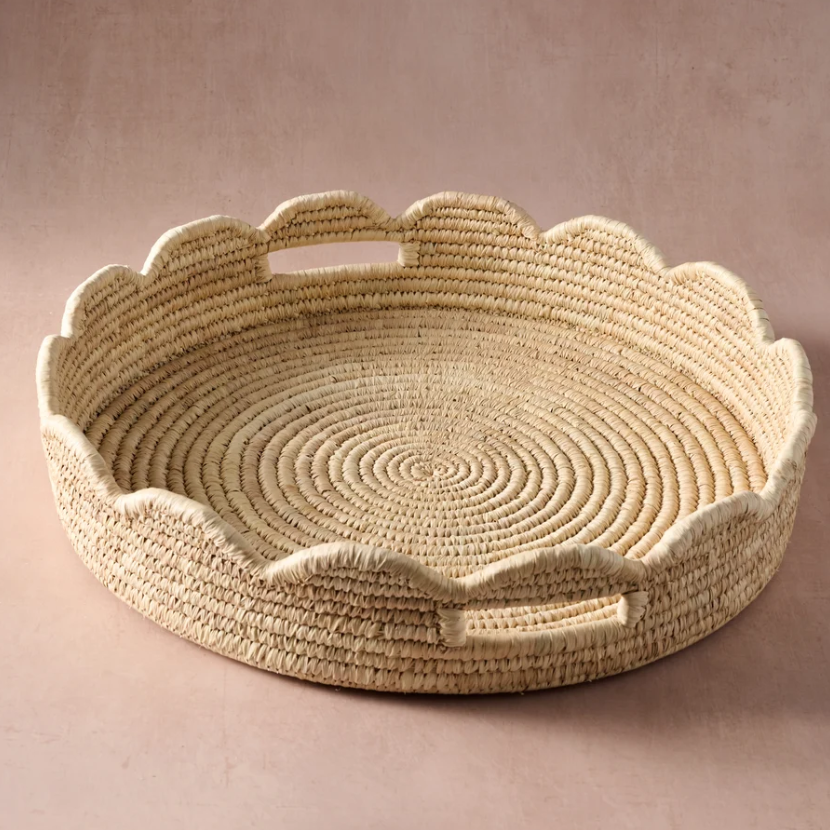
05 — IN THE HOME
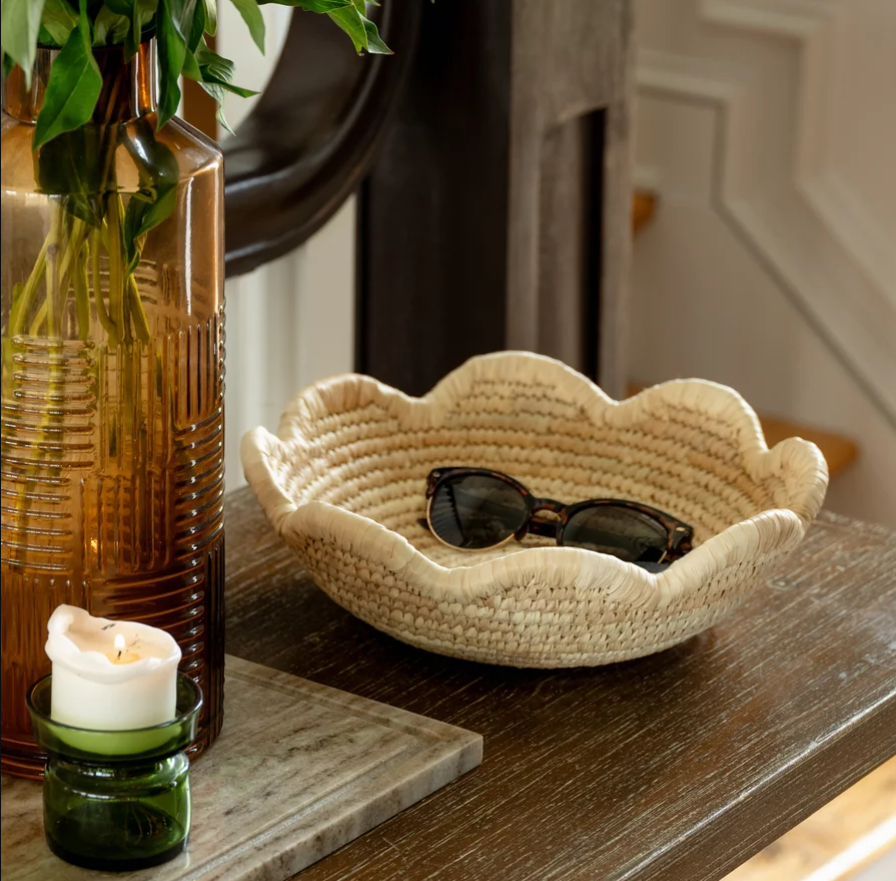
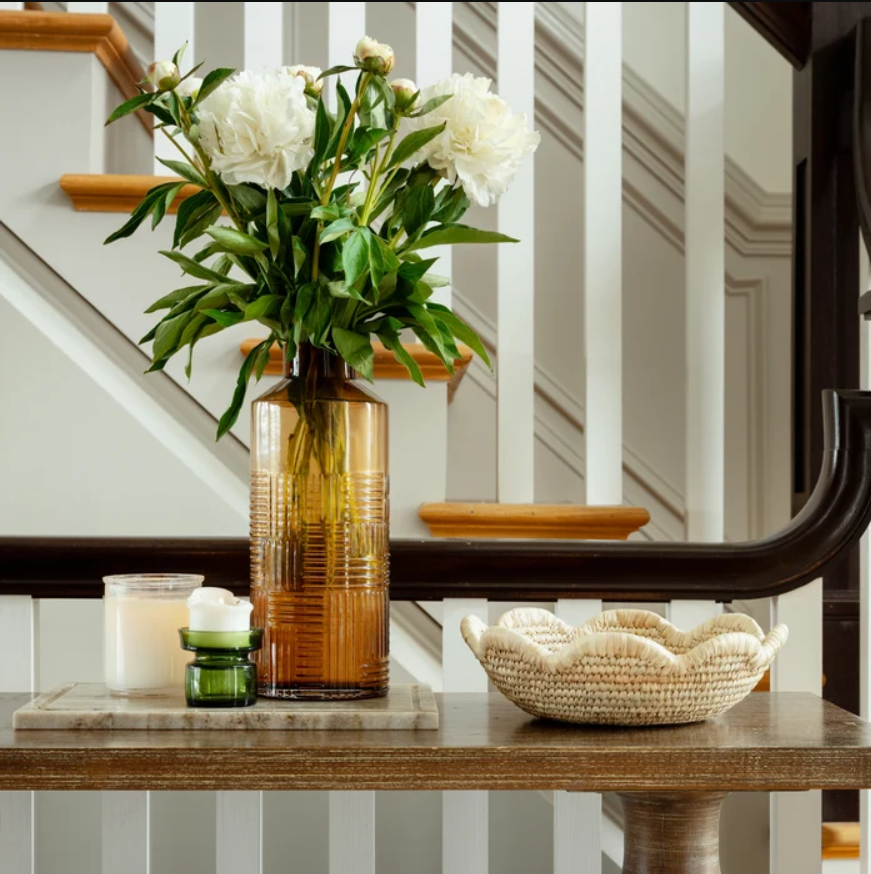
06 — THE RESULT
SOLD OUT
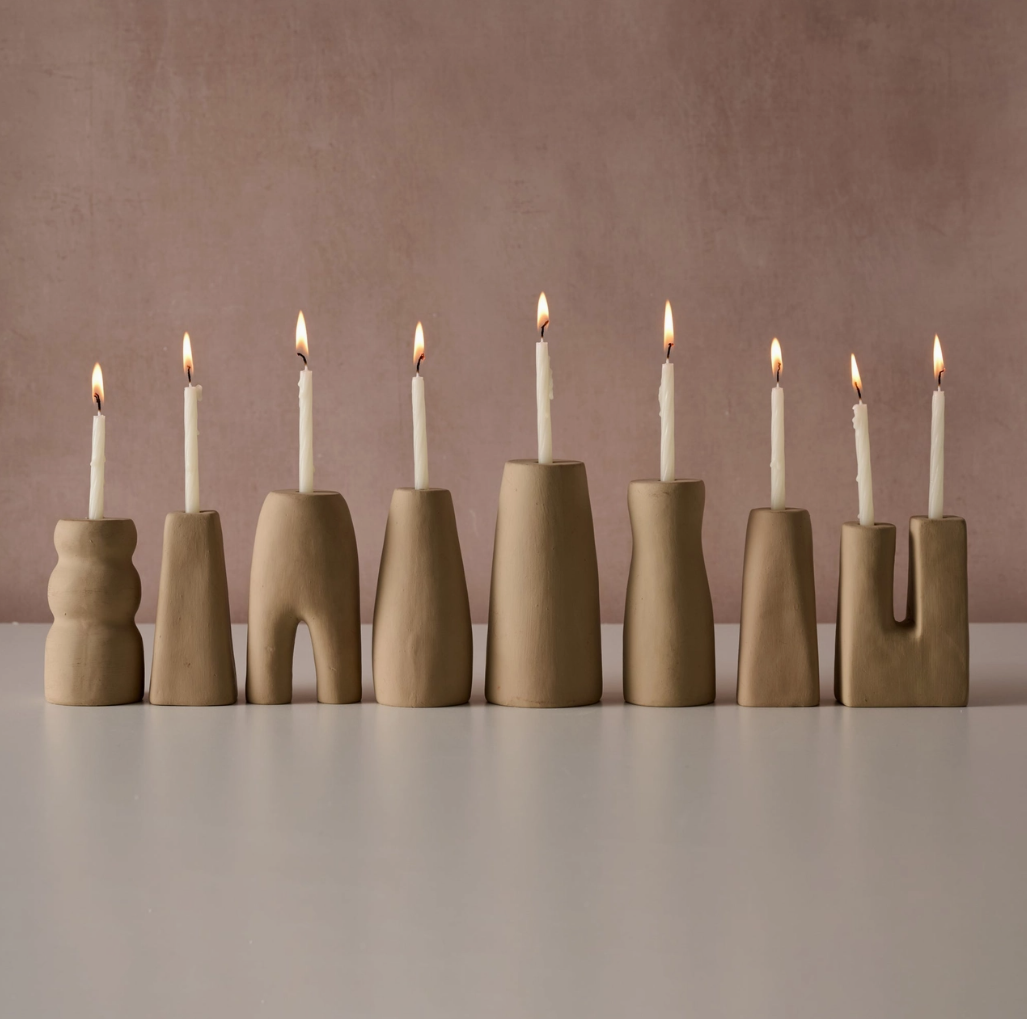
Terracotta Menorah
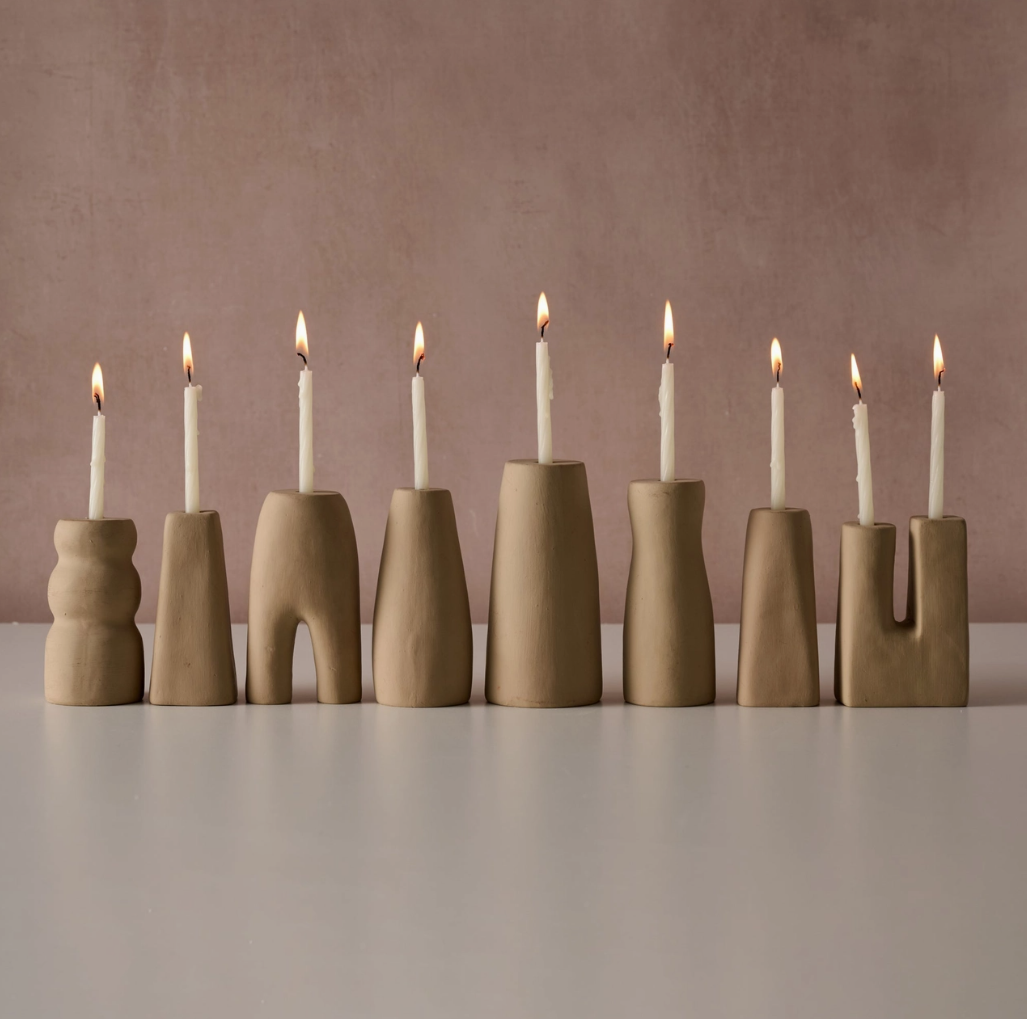
A one of a kind menorah made by an incredible artisan group.
Case Study 003
Reimagining Traditional Craft
1. Inspiration / market opportunity
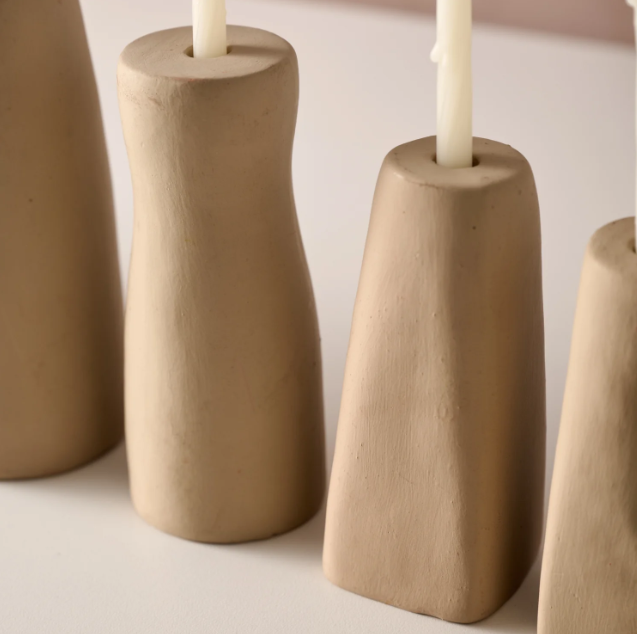
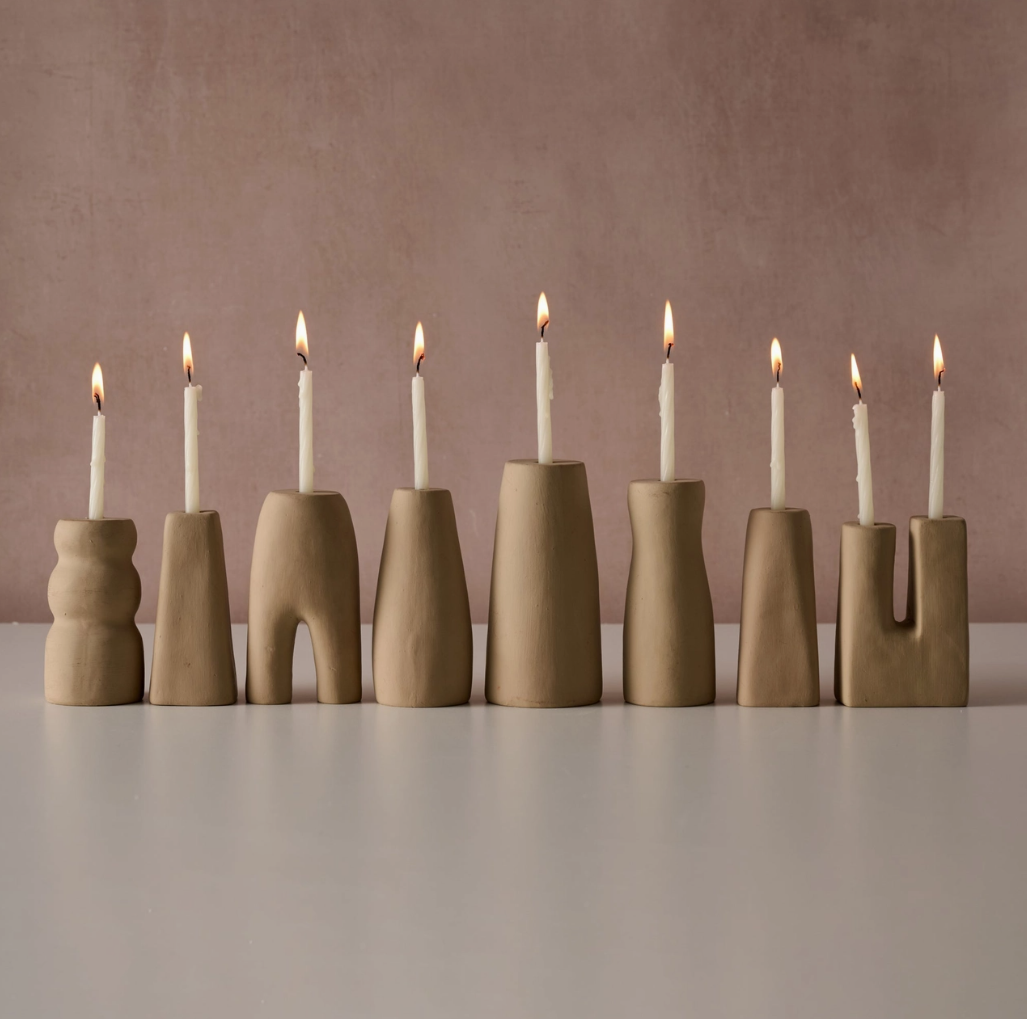
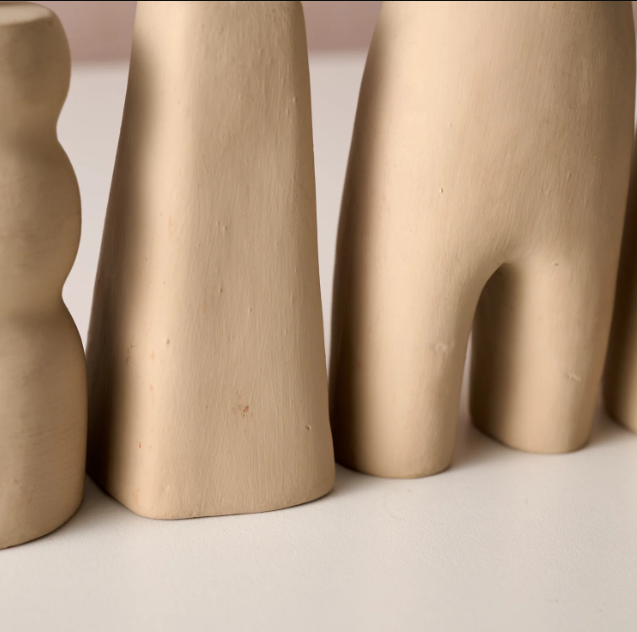
We have a strong base of Jewish customers at Villages, and Menorah’s are a top seller. I had a specific group I wanted to create a product for, so we could support their incredibly important work that specializing in traditional terracotta crafting. The shapes needed to be simple enough to mold by hand, and I wanted them to feel modern, like individual sculptures that could be used as a menorah, or as candle holders around the house.
→
2. My initial concept
Your sketch or mockup.
→
3. Artisan sample
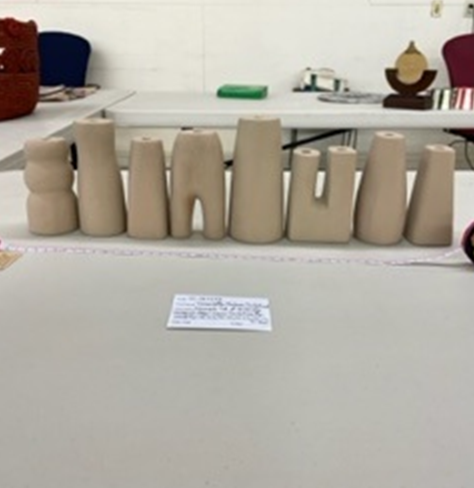
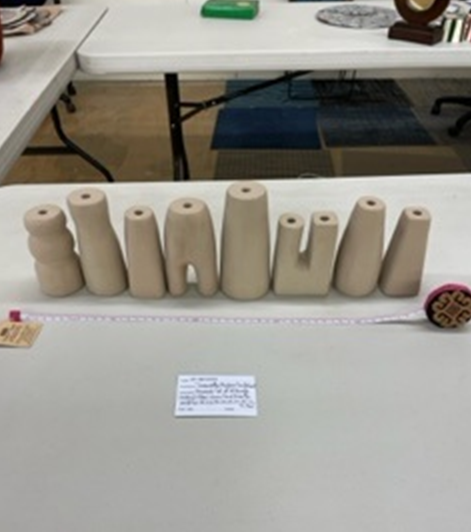
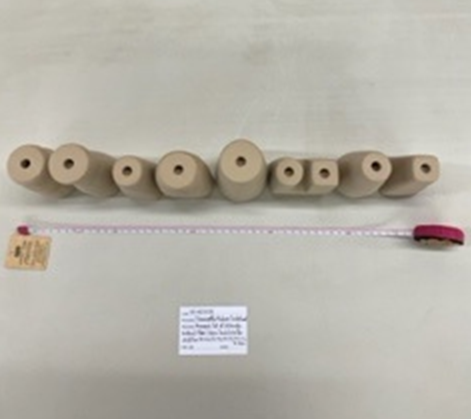
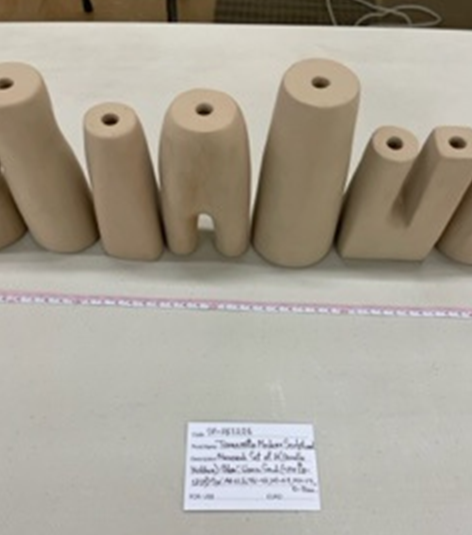
→
5. Final product
→
6. Commercial strategy
A few tiny callouts: We knew we needed to offer more unique and modern menorahs. With a pull to more sculptural items in home decor, I knew this would have a place at dinner tables, and that these could be utilized individually throughout the year around your home. Pair a couple together on a shelf stacked on books or use it as your centerpiece during Hannukah.
Target Customer: Jewish museums, Gift shops, Holiday shoppers
Retail Price: $74.99
Material: Terracotta
Channel: Wholesale + eCommerce
Artisan Partner: Bangladesh

Second Wind: Turning Retired Sails Into a Commercial Product
Case Study 004
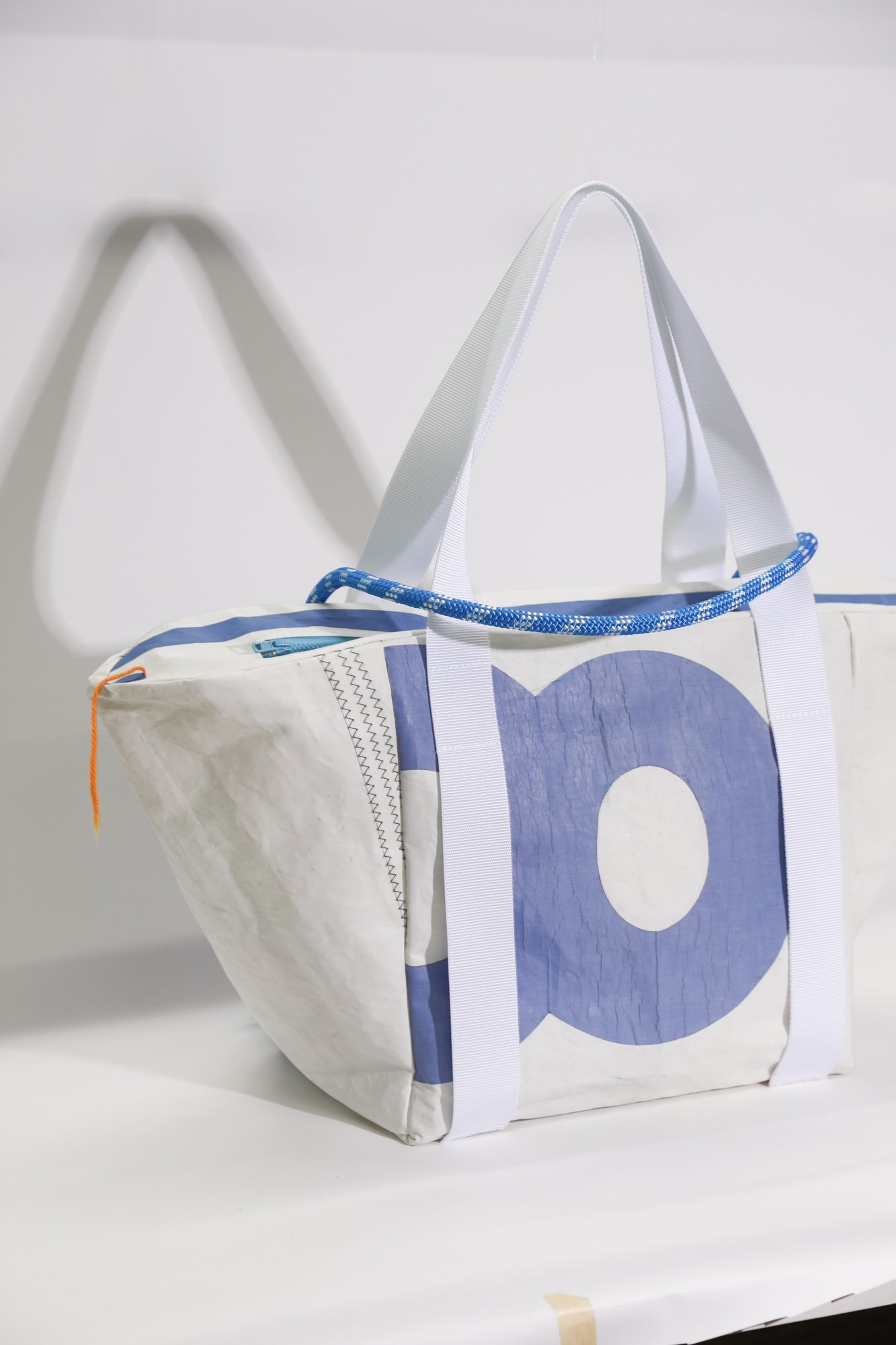
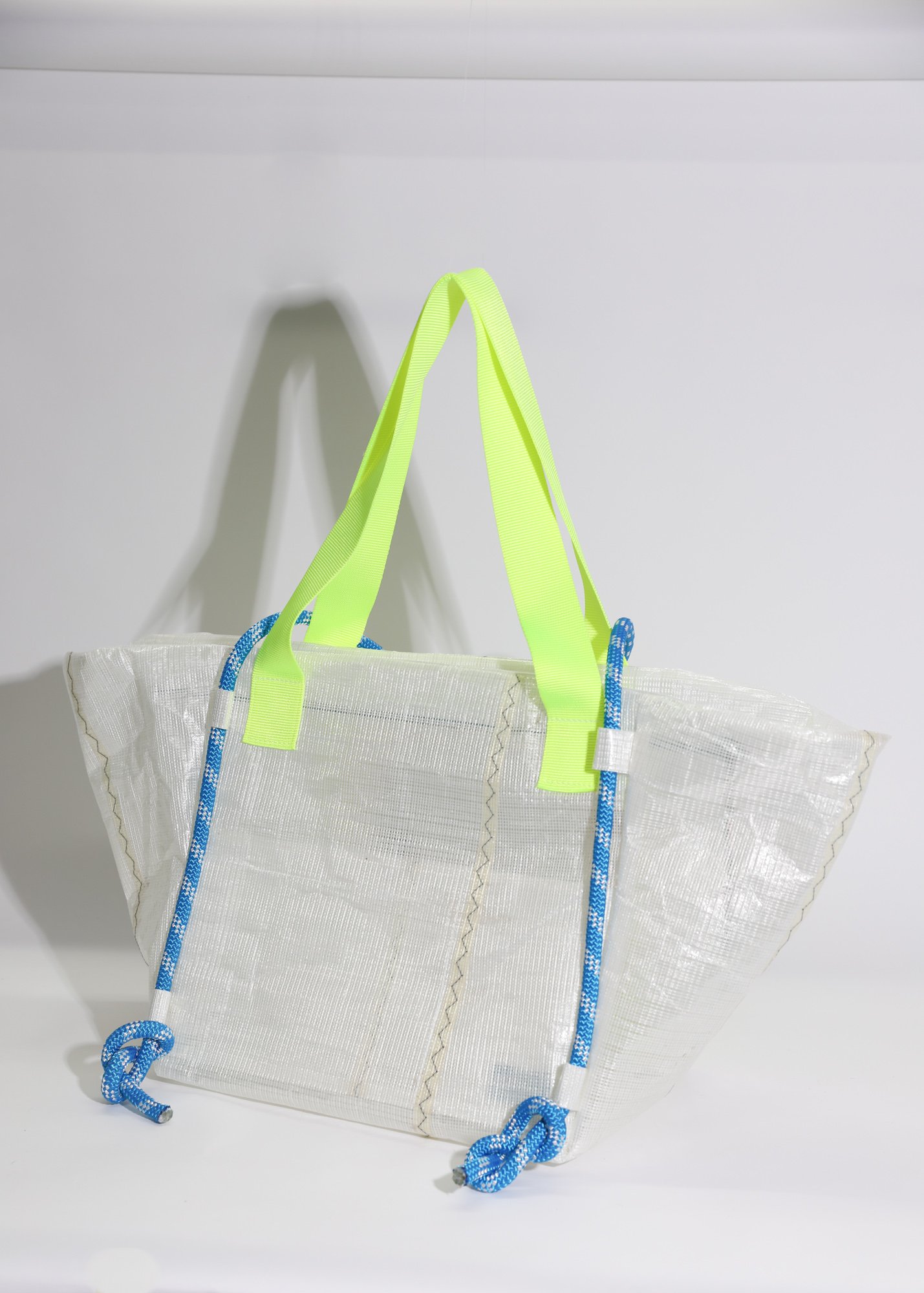
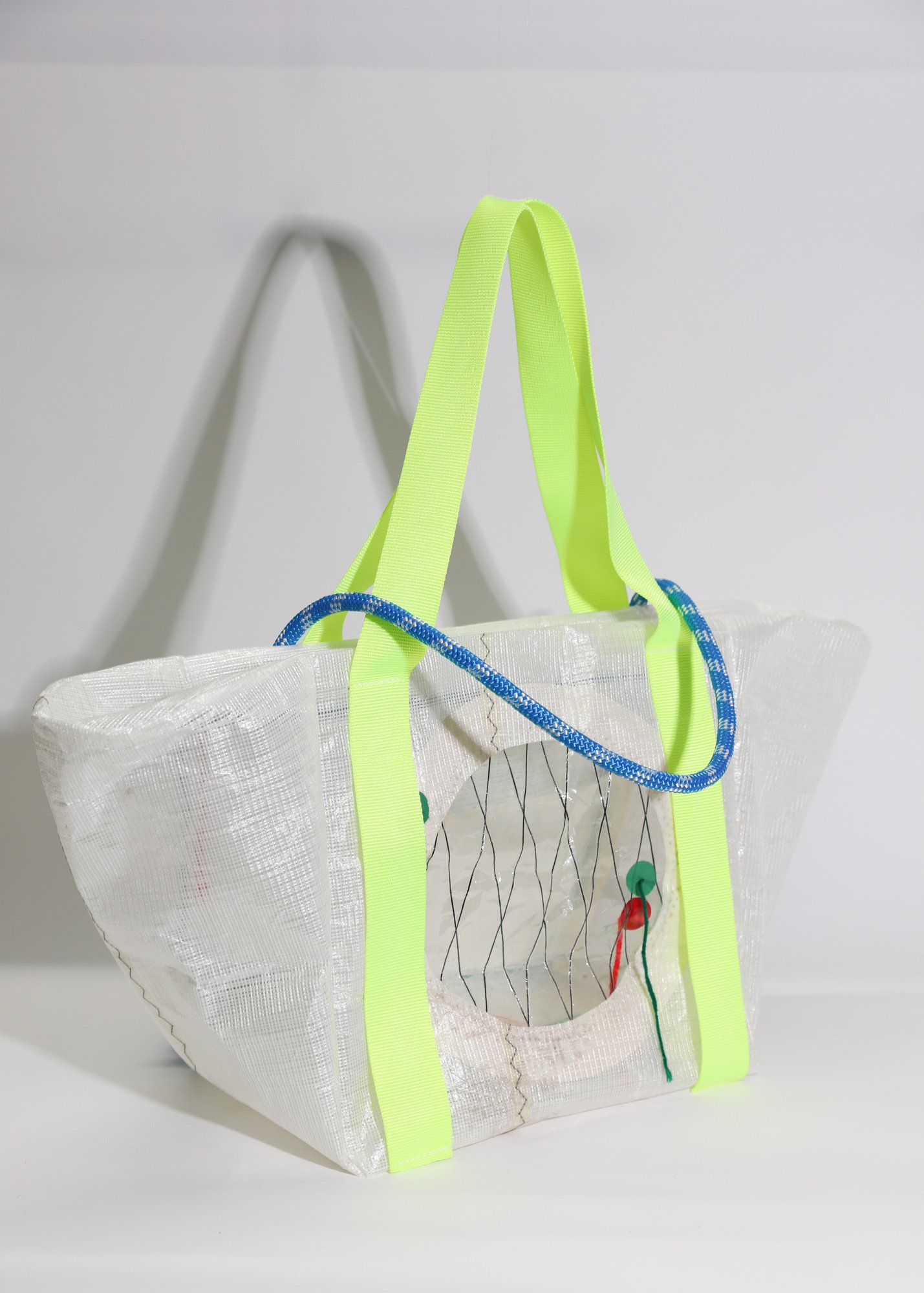
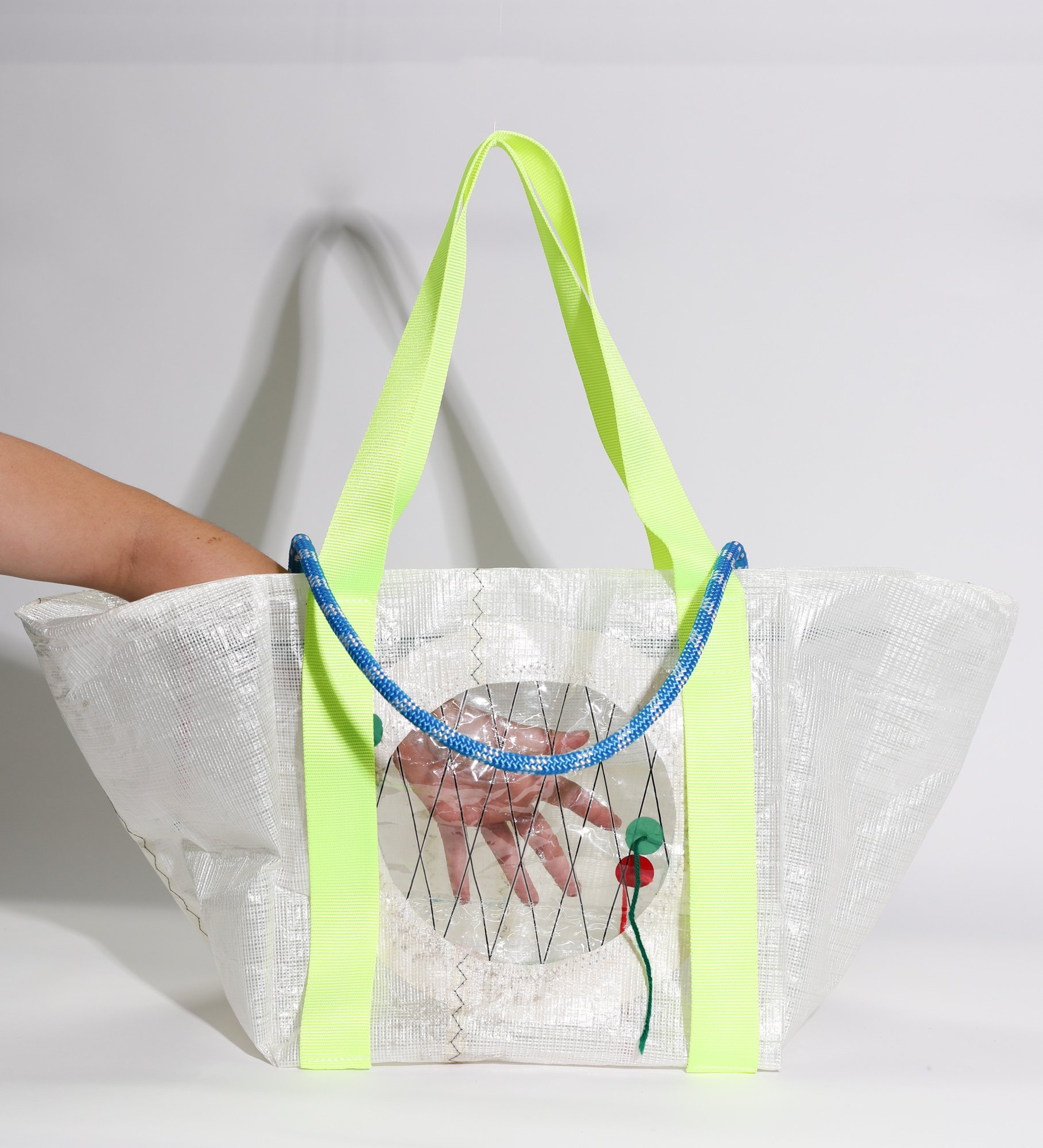
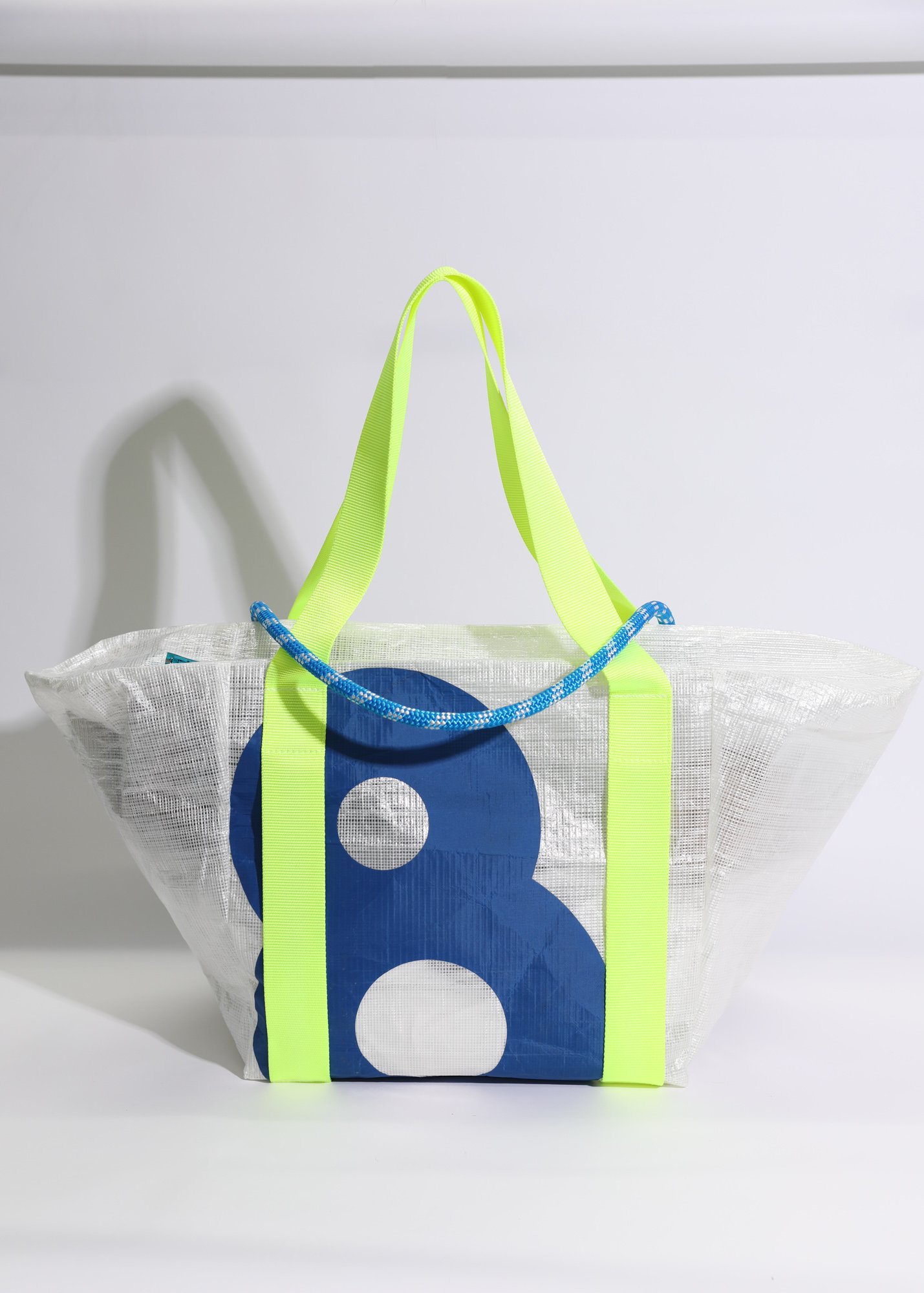
From discarded sailcloth to a $95 retail product, I developed a collection of one-of-a-kind bags that turned material limitations into a defining design feature.
1. Inspiration / Market Opportunity
Giving retired sails a second life.
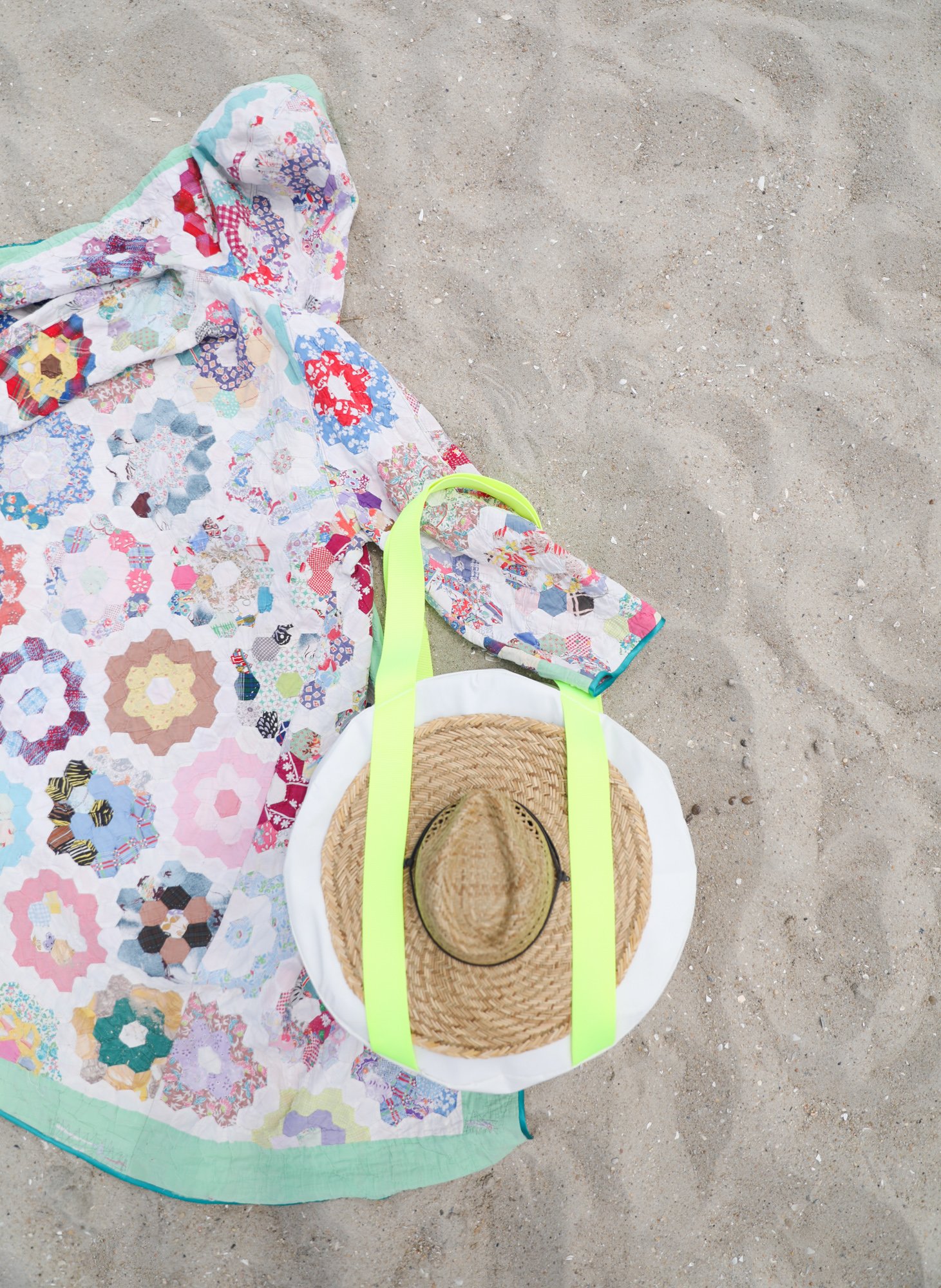
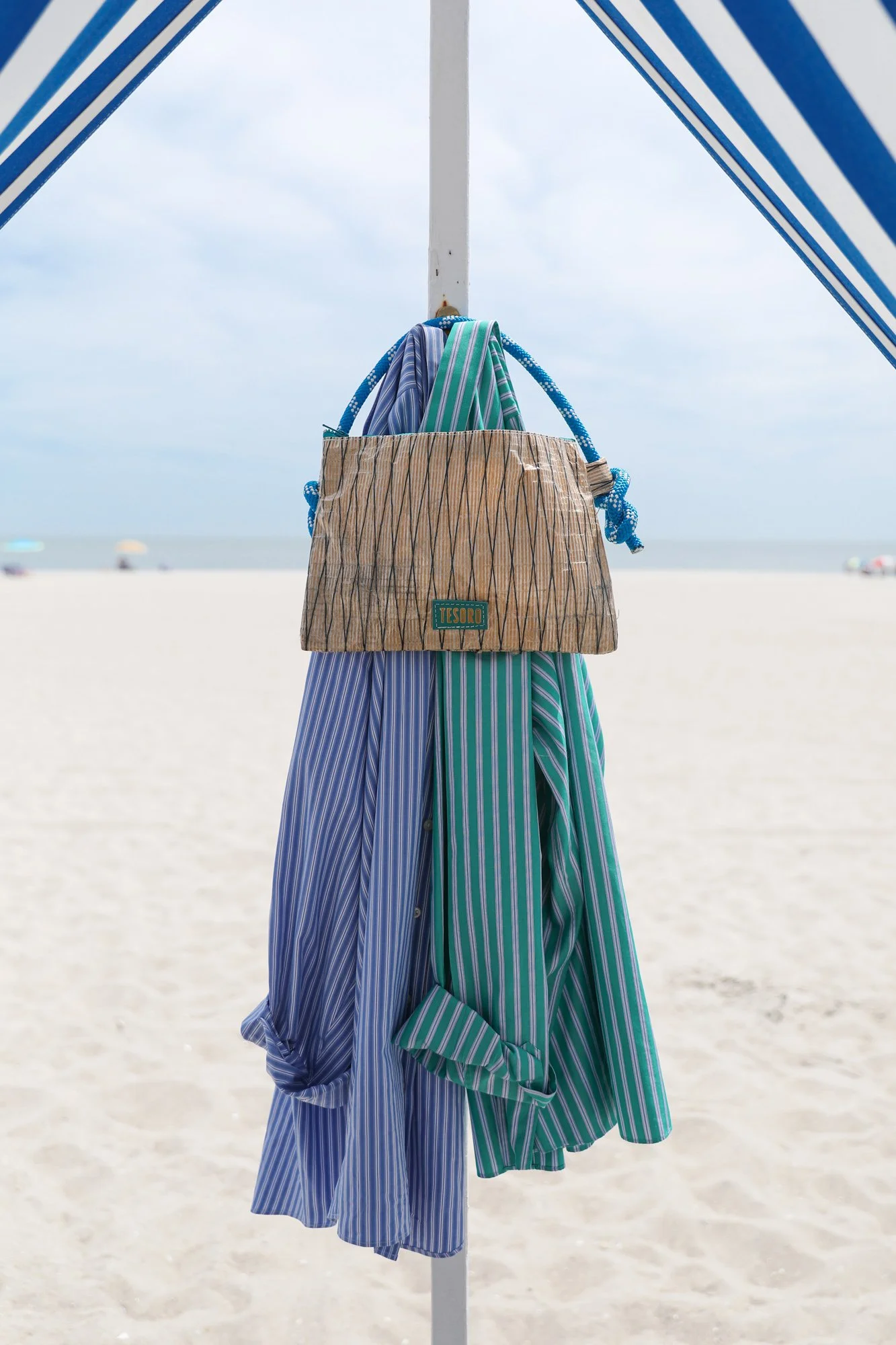
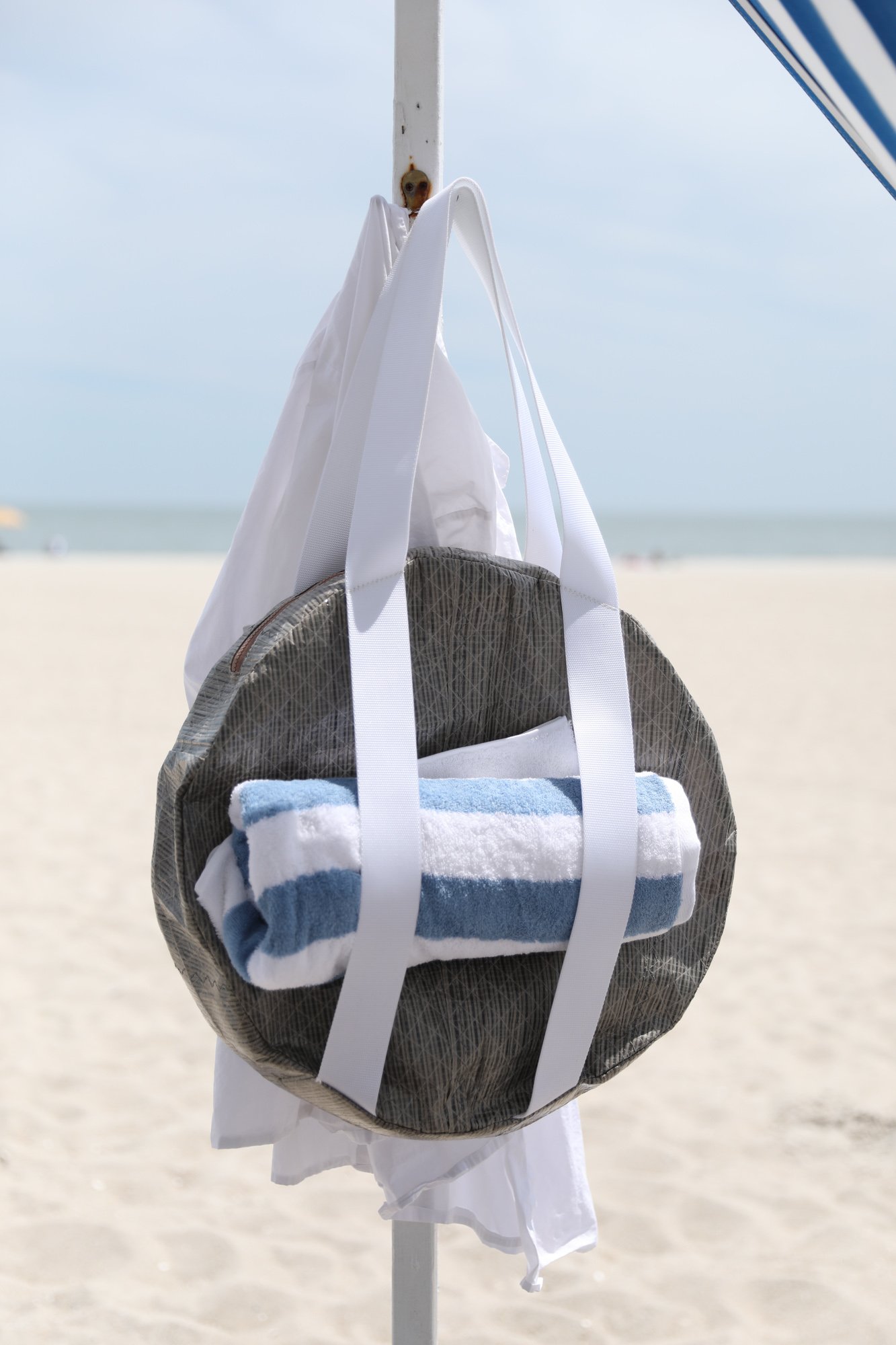
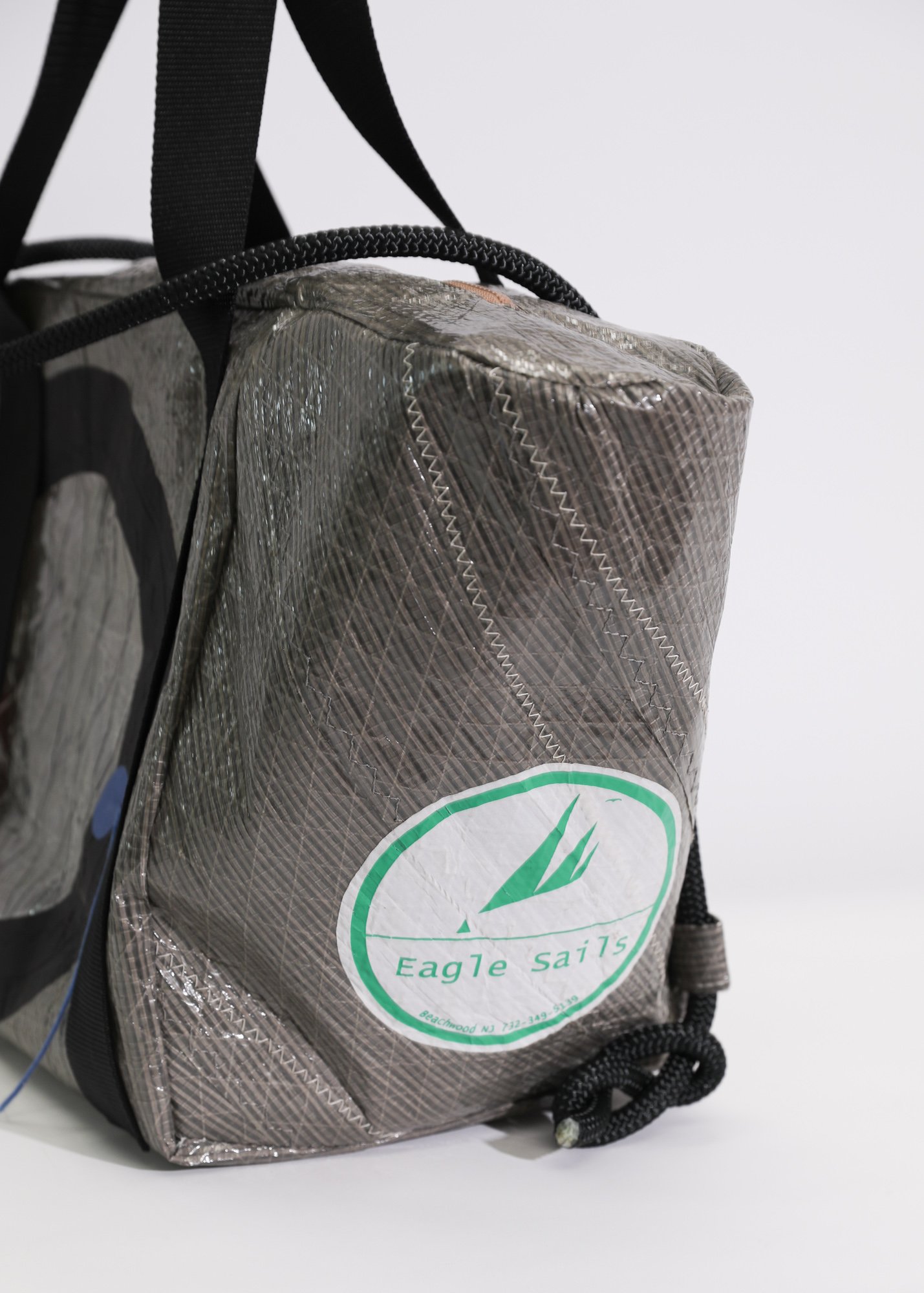
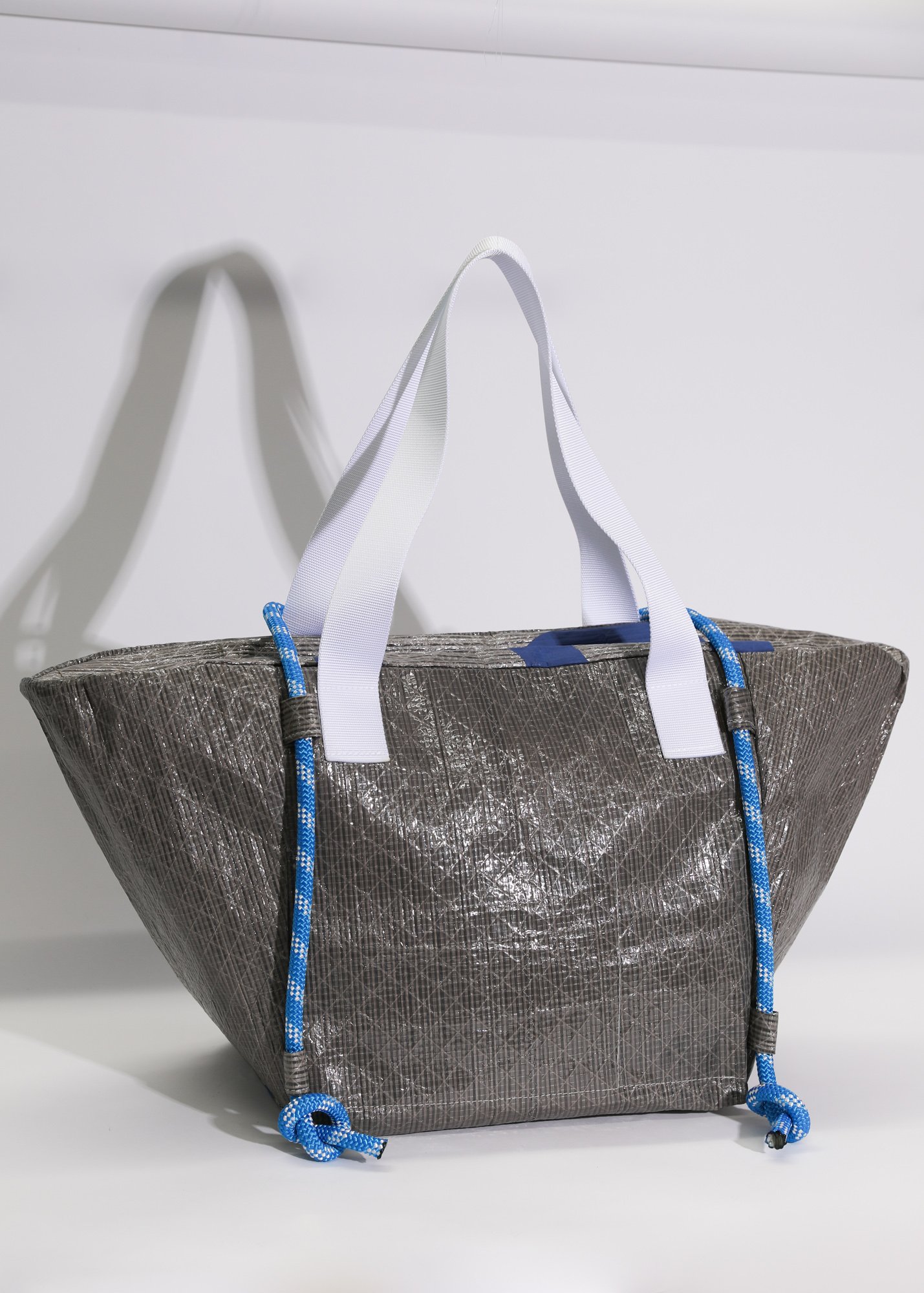
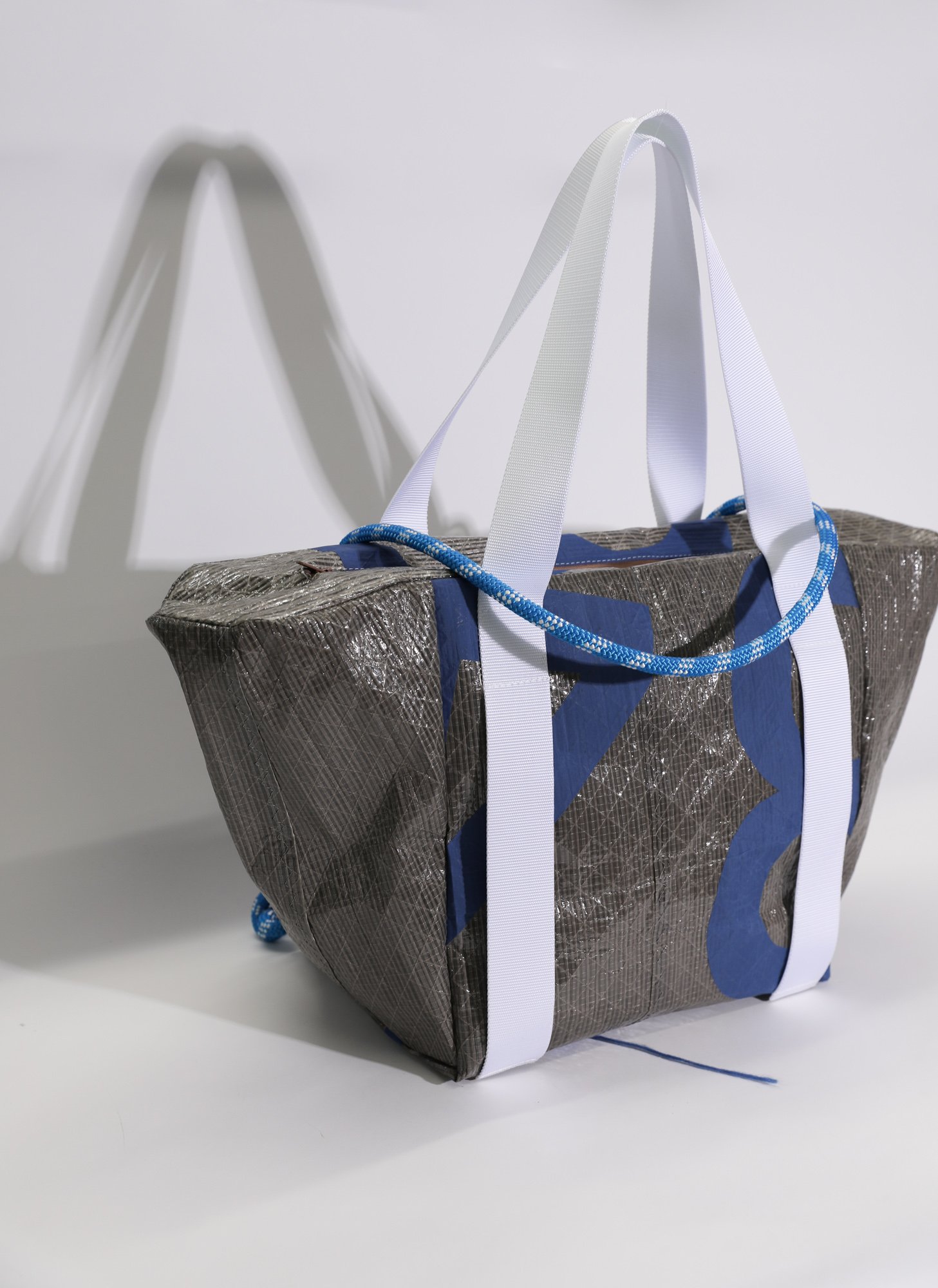
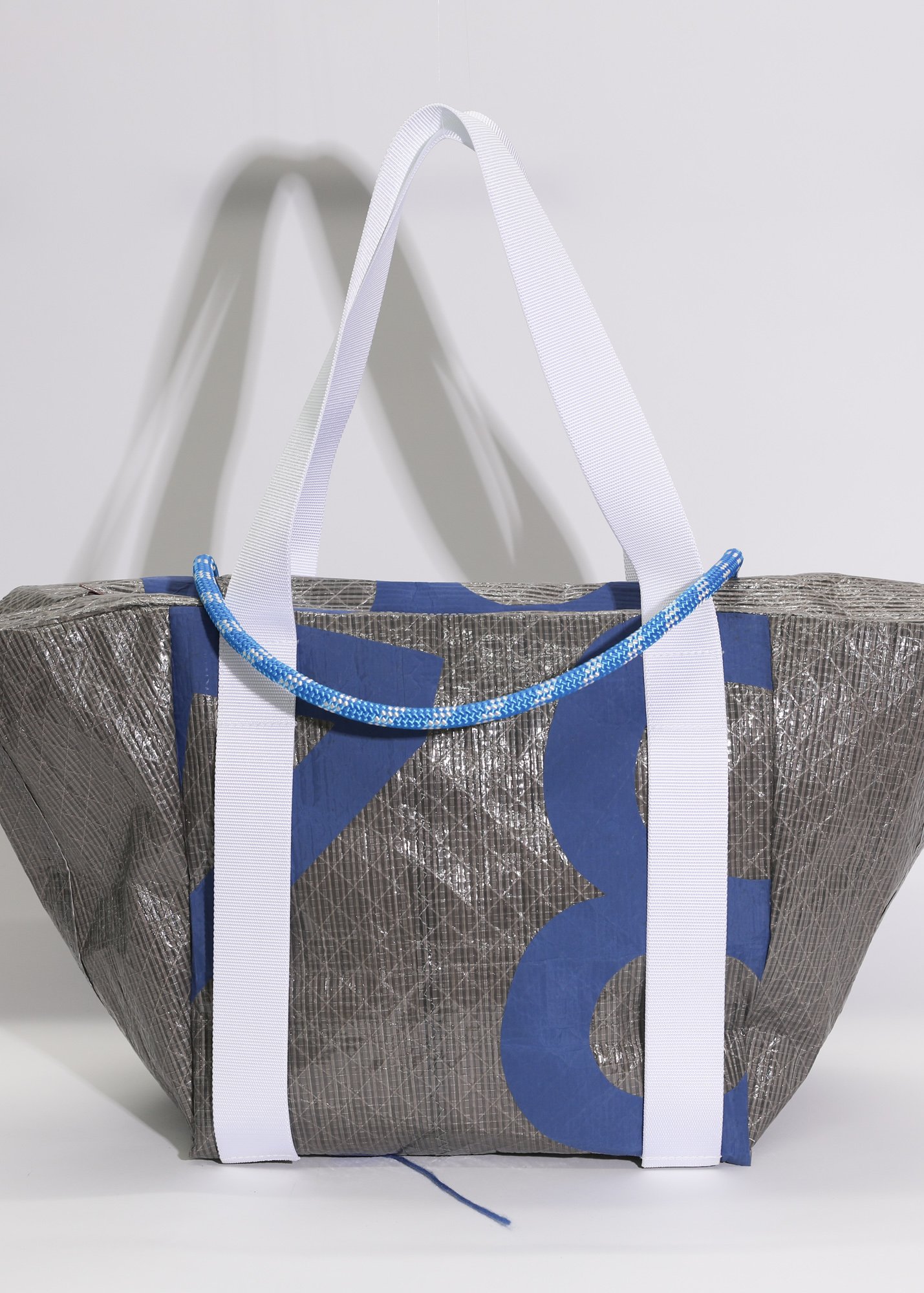
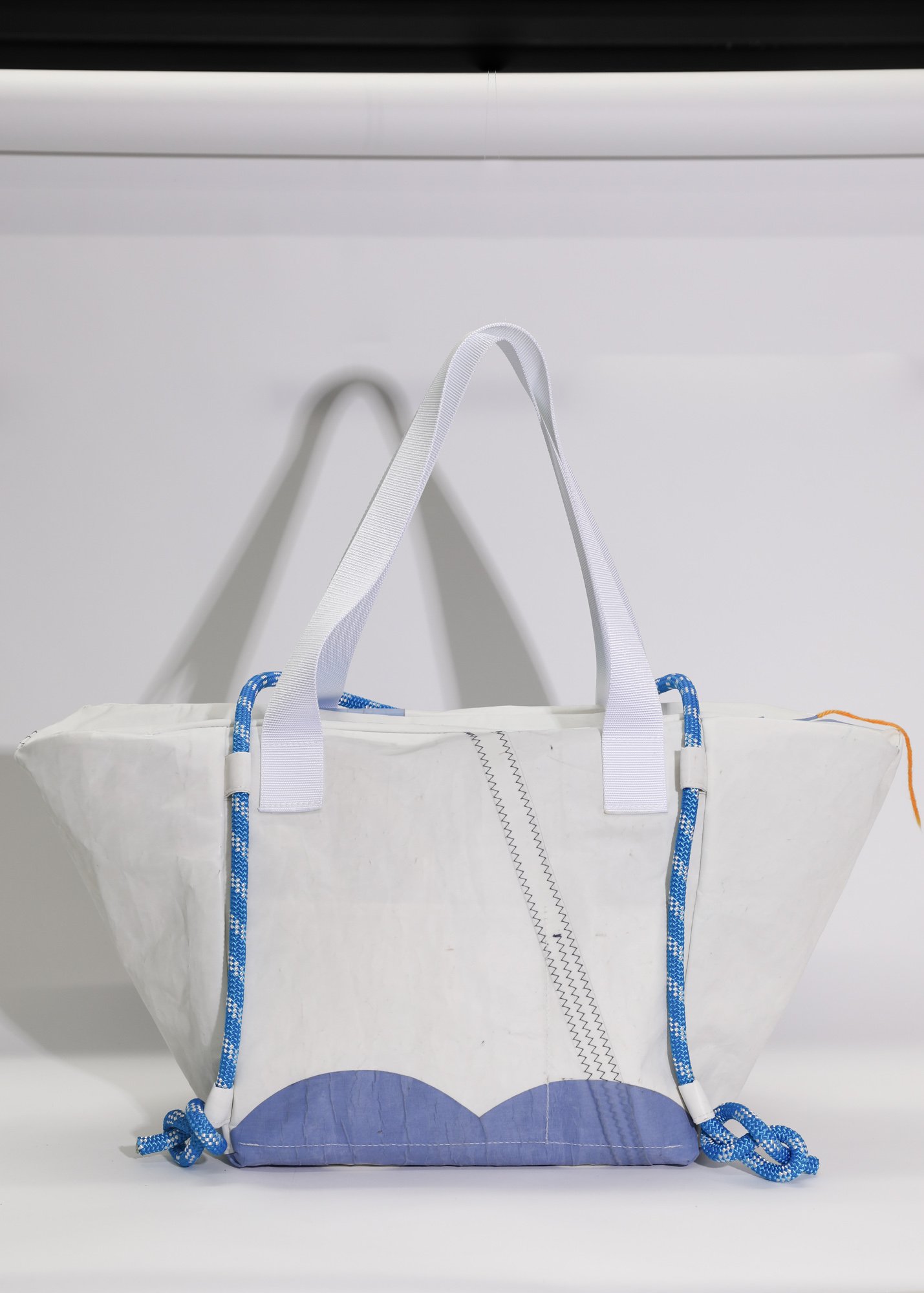
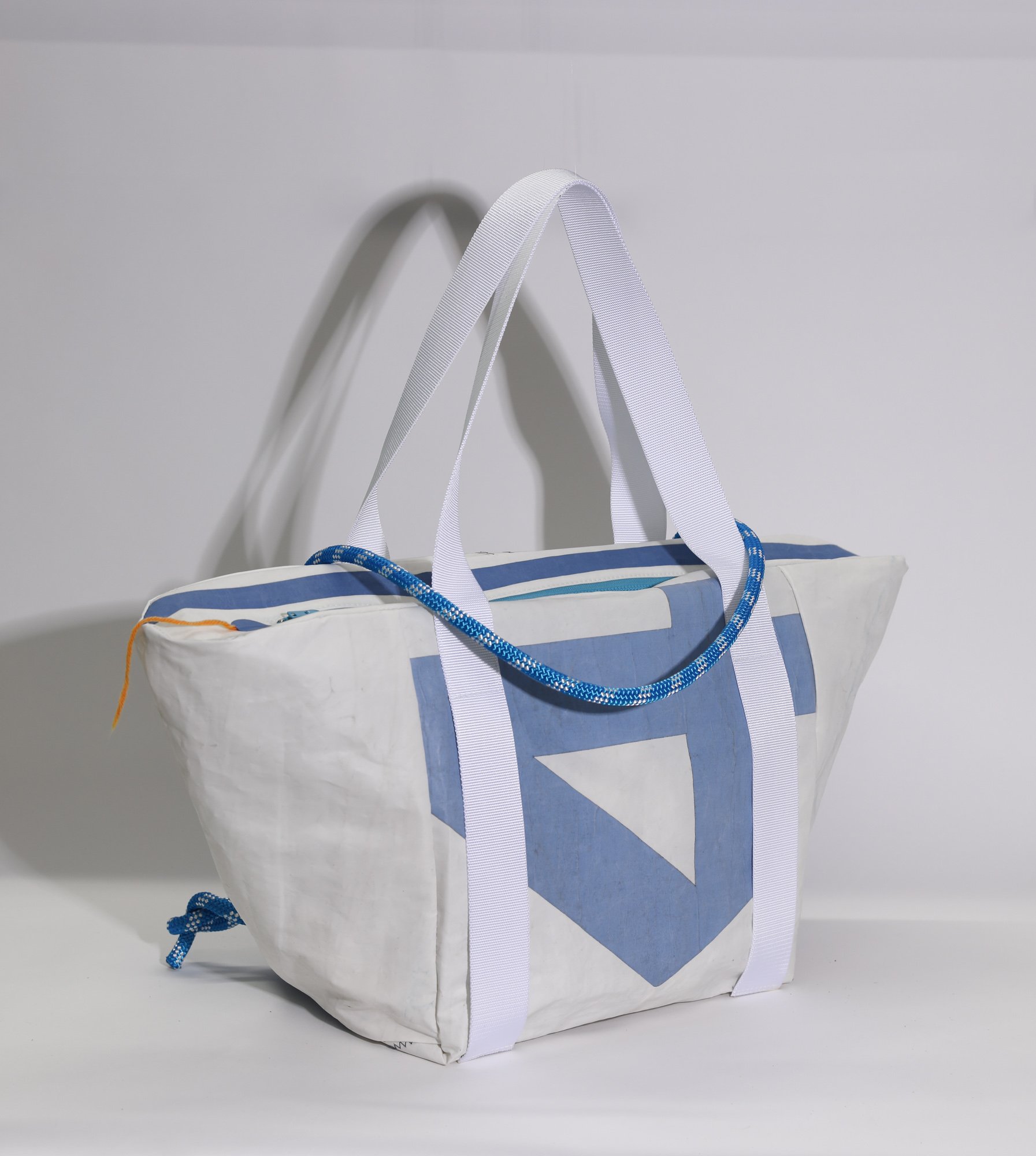
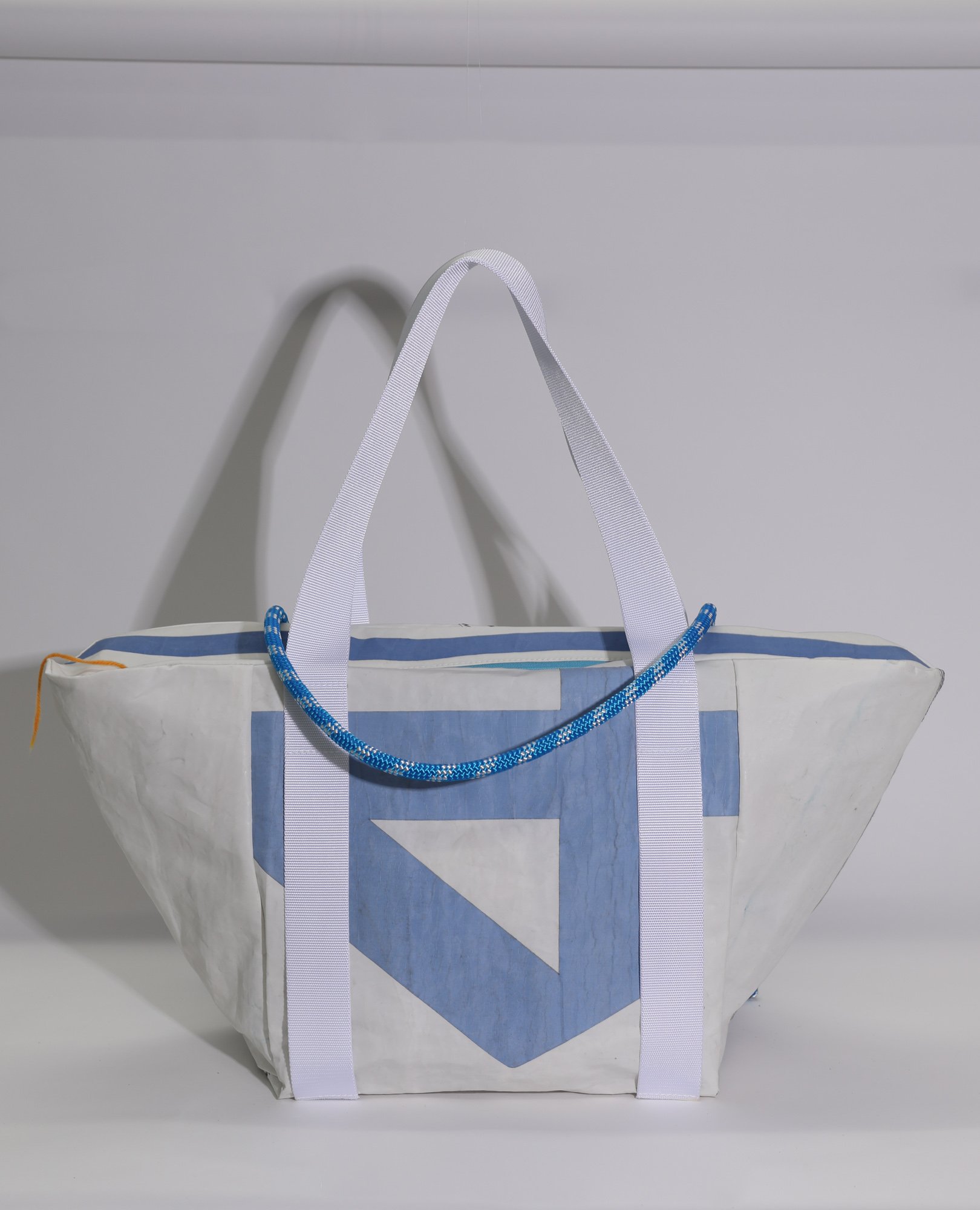
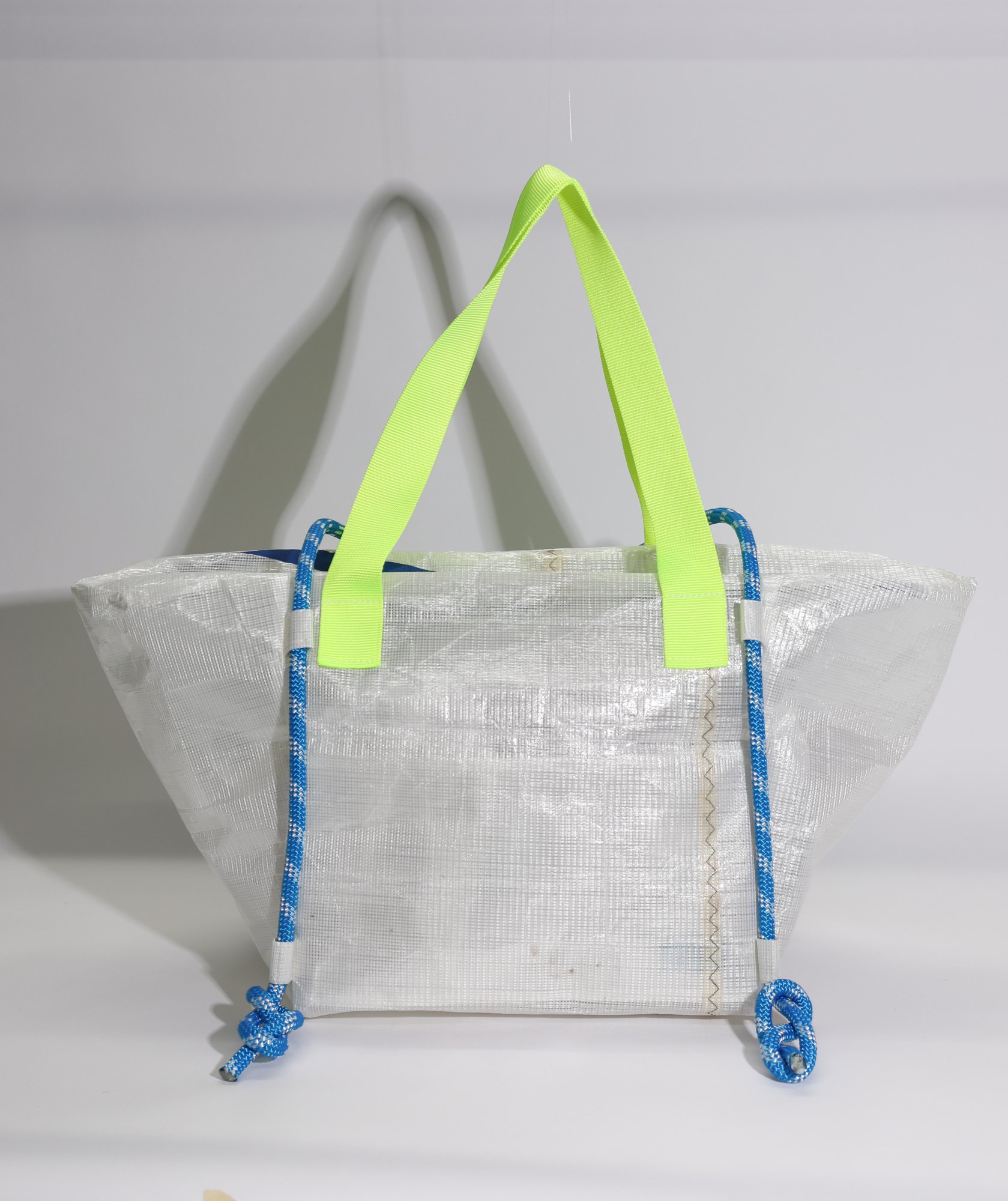
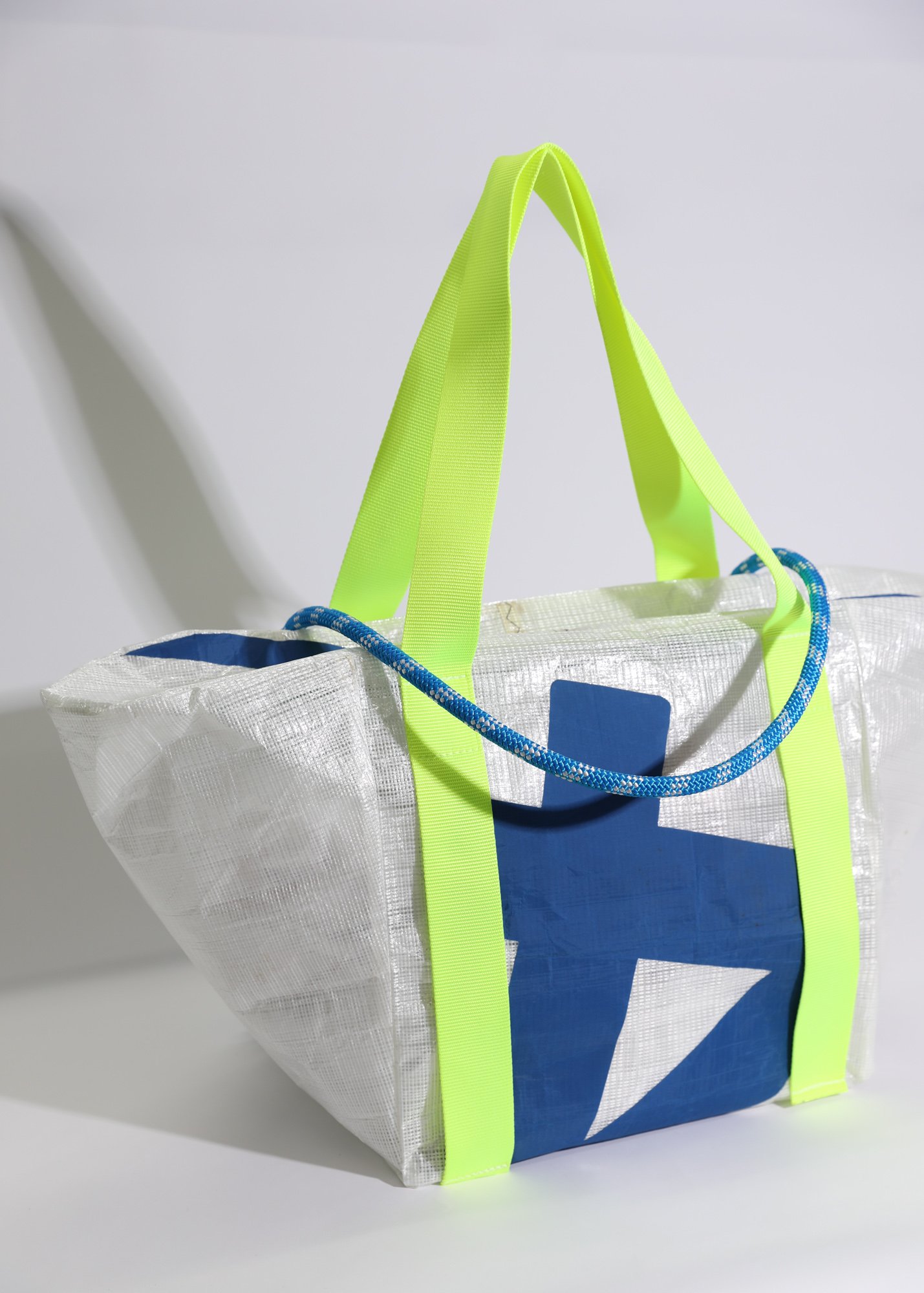
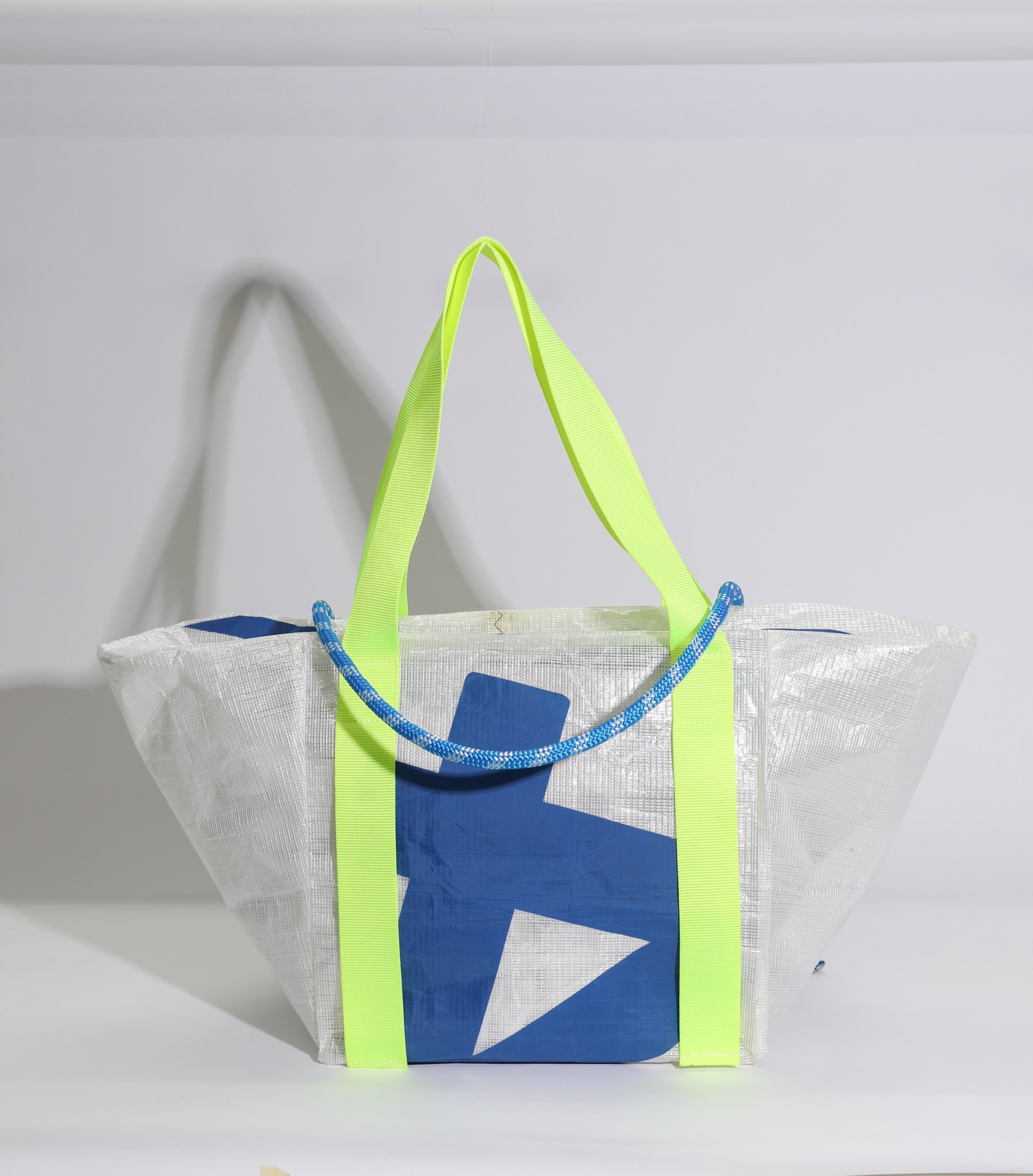
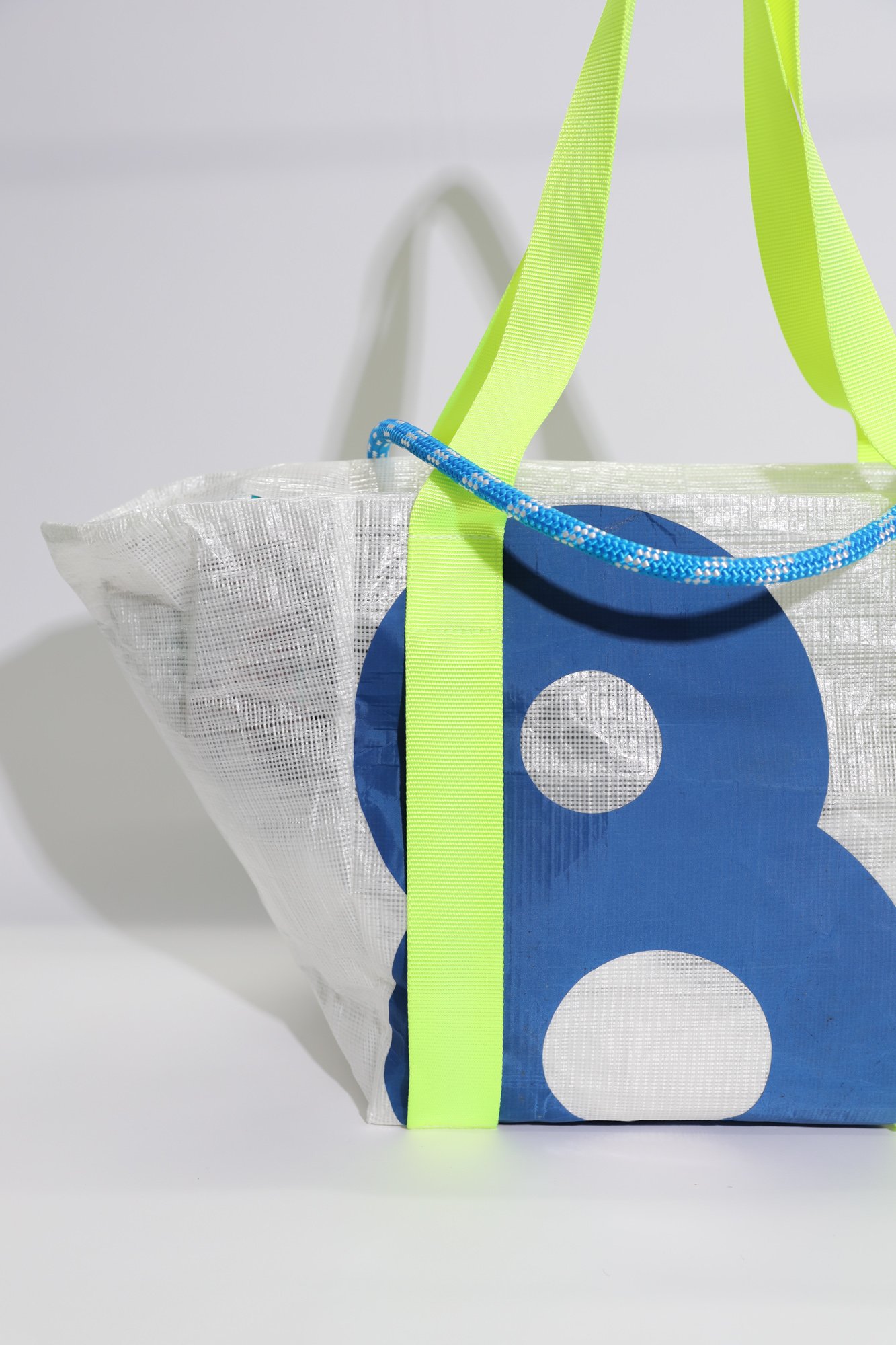
I sourced four used and damaged sailboat sails, each with different colors, textures, markings, and wear. The material was incredibly lightweight, waterproof, durable, and easy to clean—making it ideal for a beach bag.
My goal was to turn this discarded material into a highly functional product while allowing the history and individuality of each sail to remain visible.
→
2. My Initial Concept
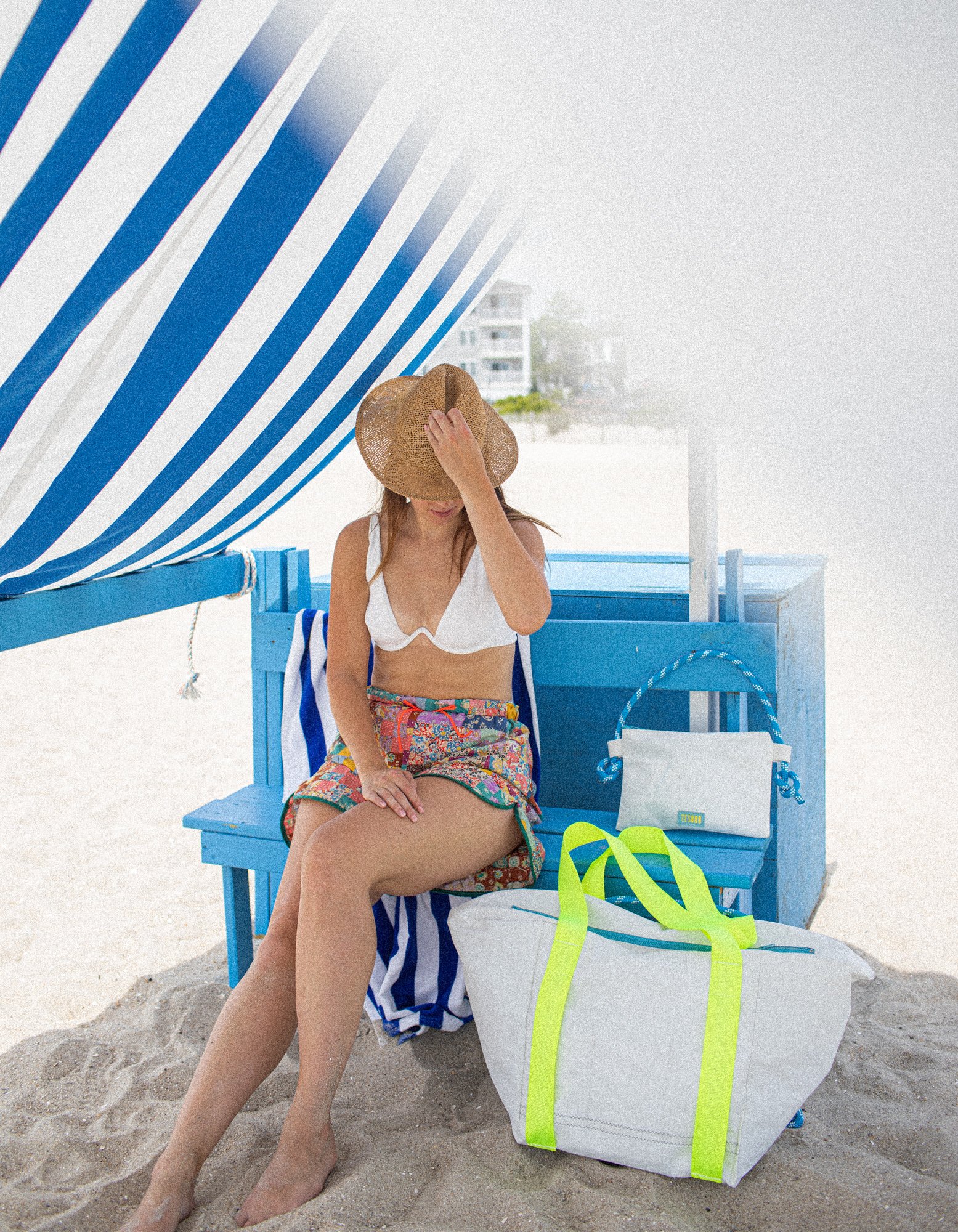
Designed to make a day at the beach easier.
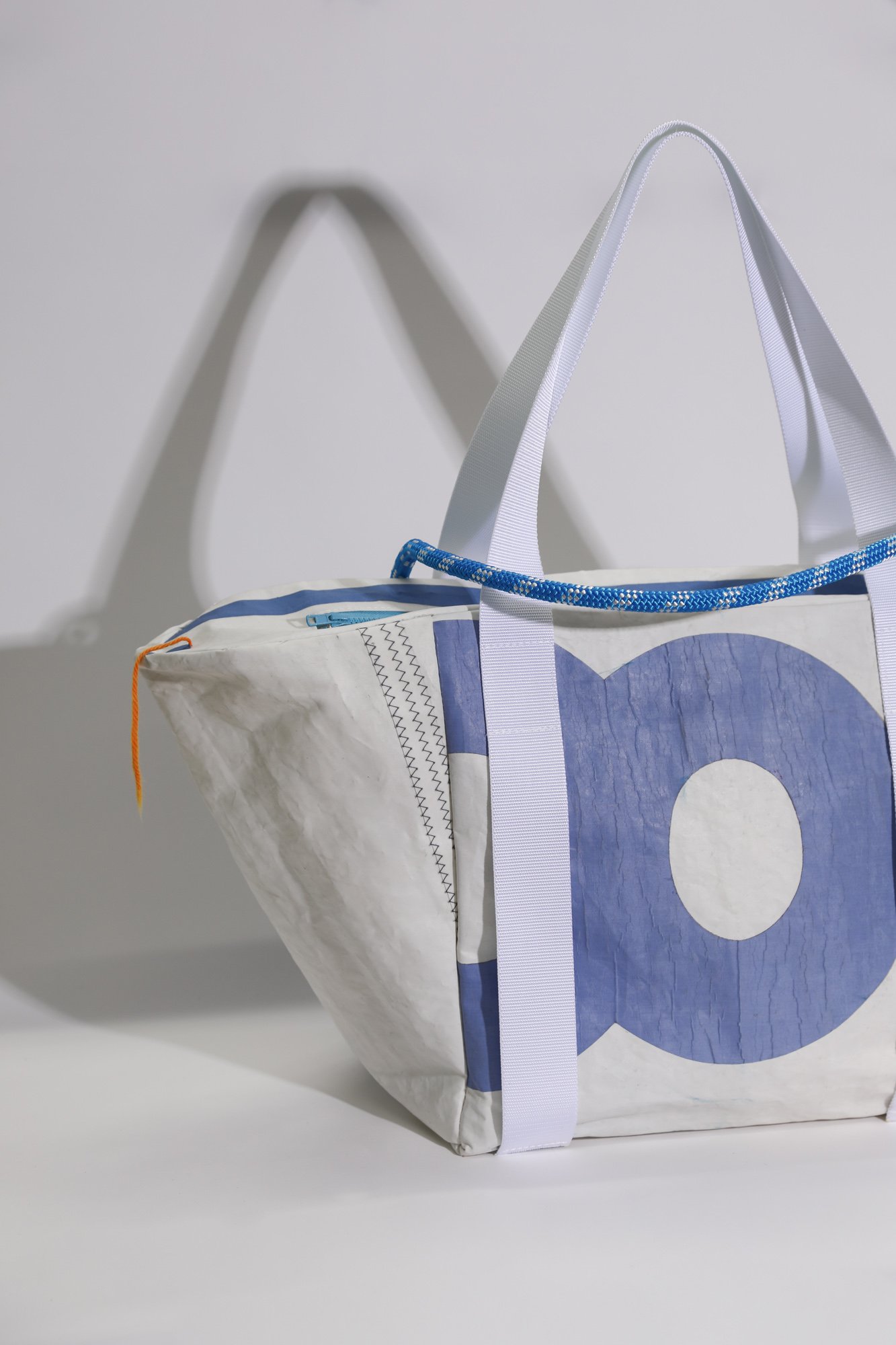
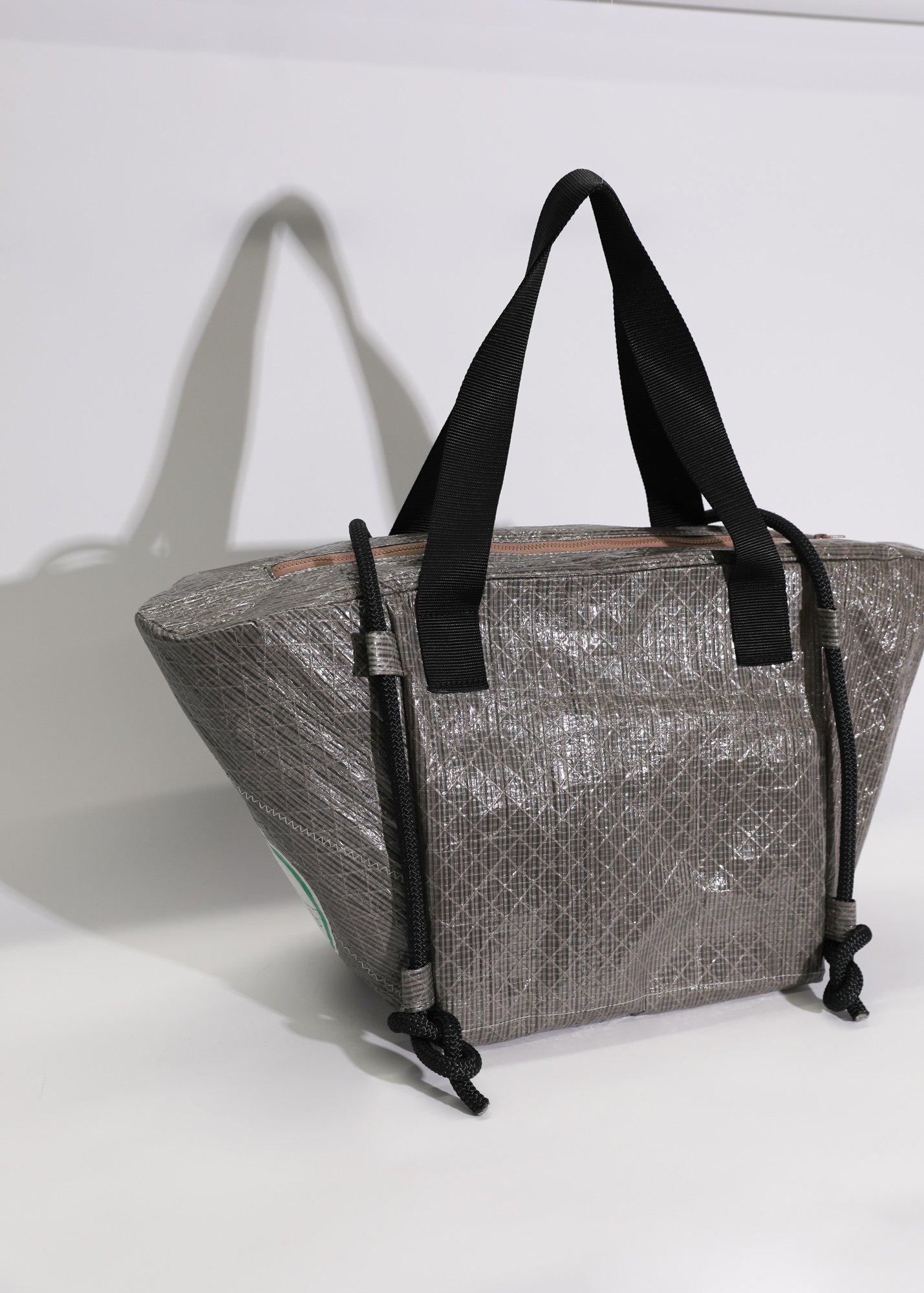
Function drove every design decision. I envisioned an oversized carryall that could hold everything needed for a day—or week—at the beach without becoming cumbersome to carry.
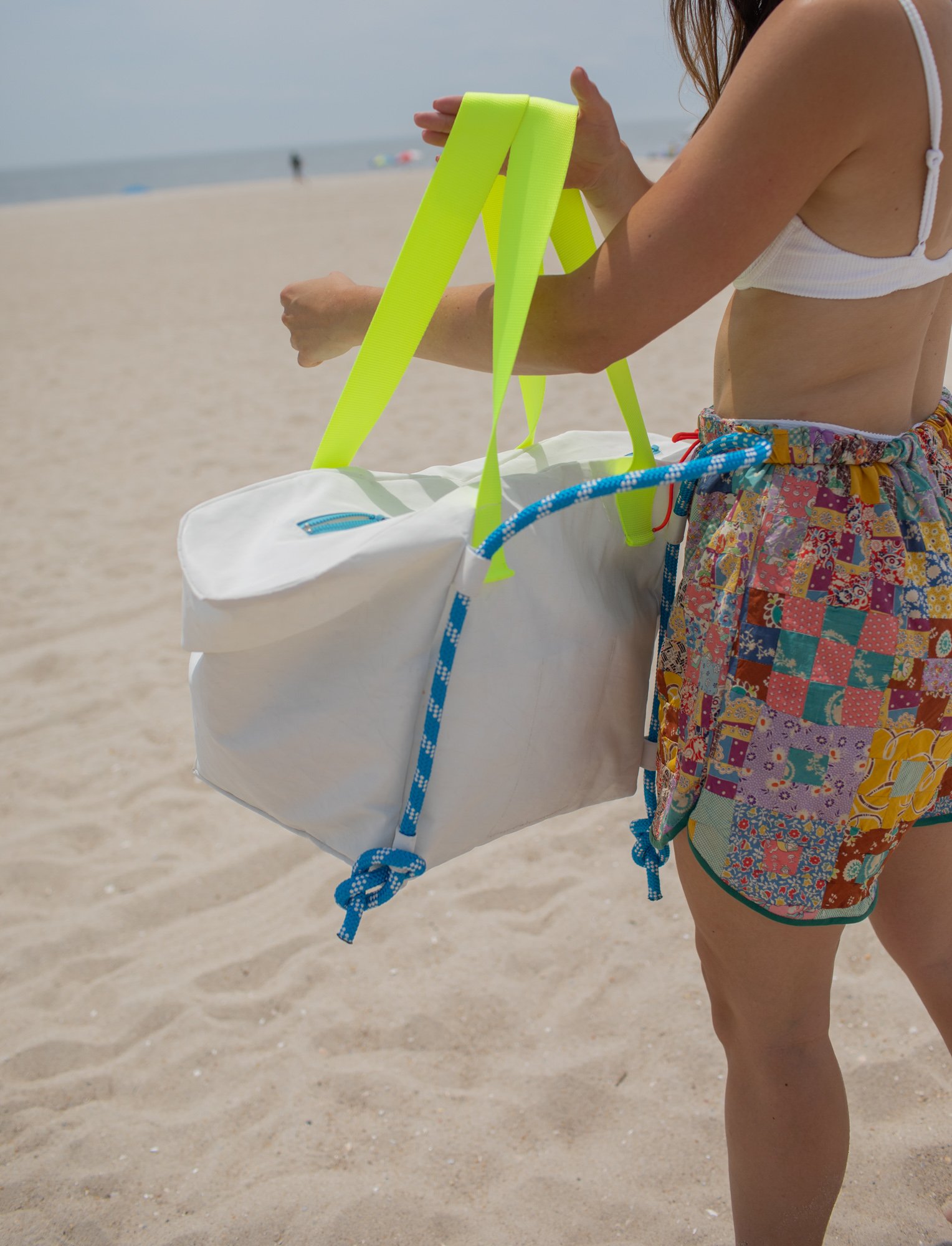
Wide 2" shoulder straps, a secure zip top, generous storage, and convertible carrying options were incorporated from the beginning.
→
3. First Sample
Testing the concept in real life.
The first sample helped me evaluate scale, capacity, comfort, and how the reclaimed sailcloth behaved when constructed into a bag.
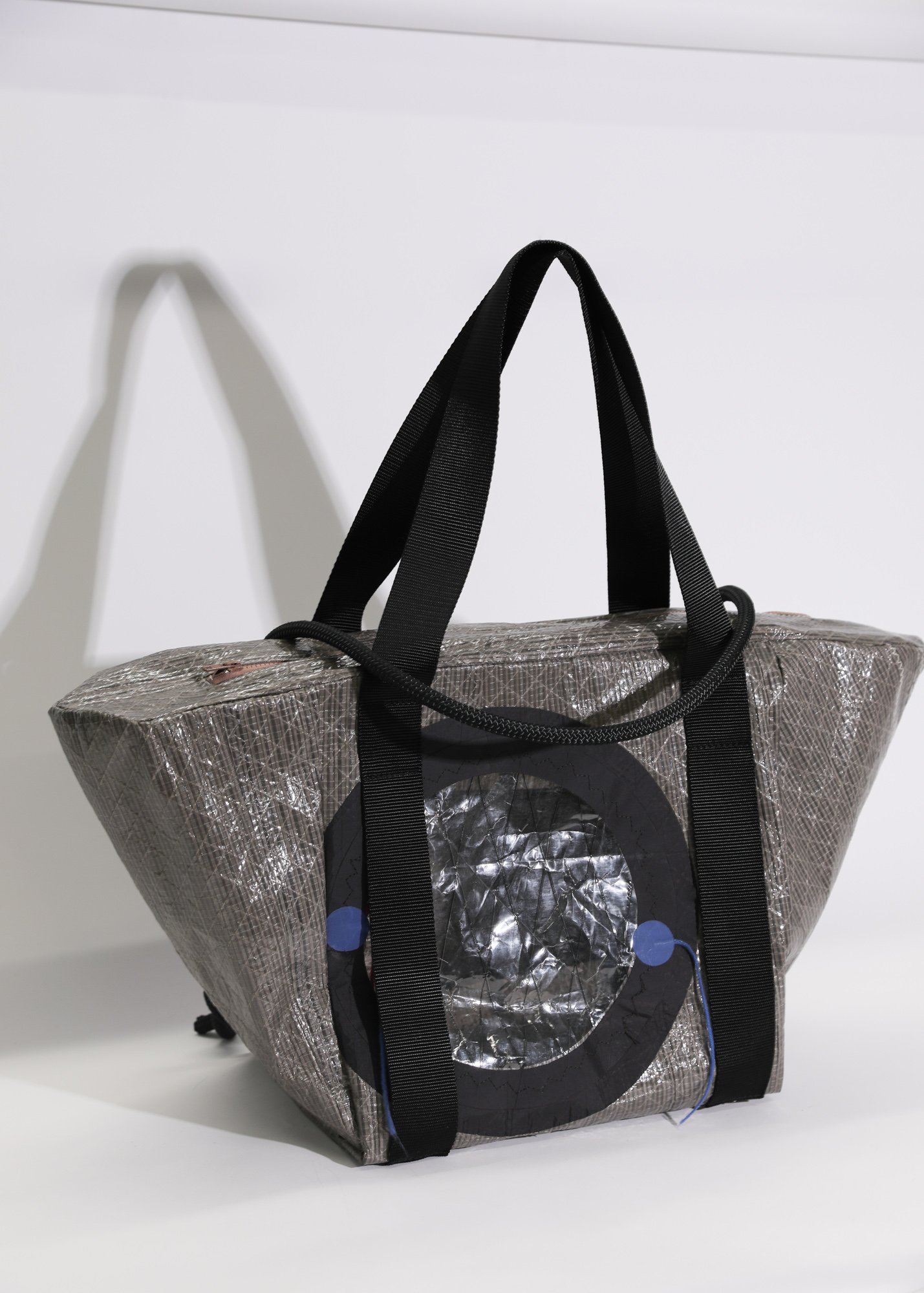
Because each sail was different, I also experimented with placement of original seams, graphics, colors, and textures—making each finished bag completely unique.
→
4. Refinement
Small details designed around real use.
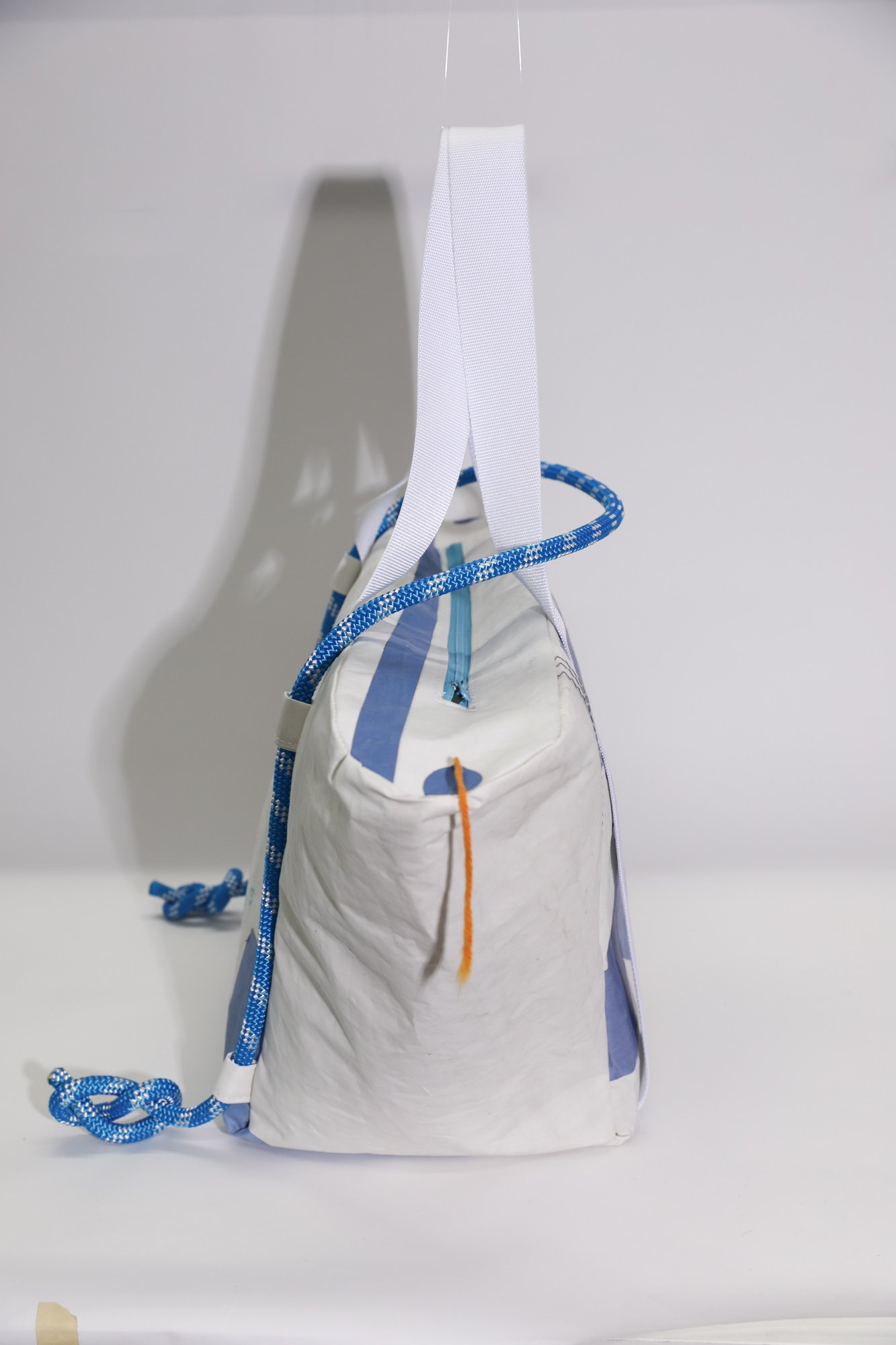
I refined the bag around the annoyances that come with carrying everything to and from the beach:
2" wide straps for comfortable shoulder carrying
Tough plastic zipper to securely close the bag
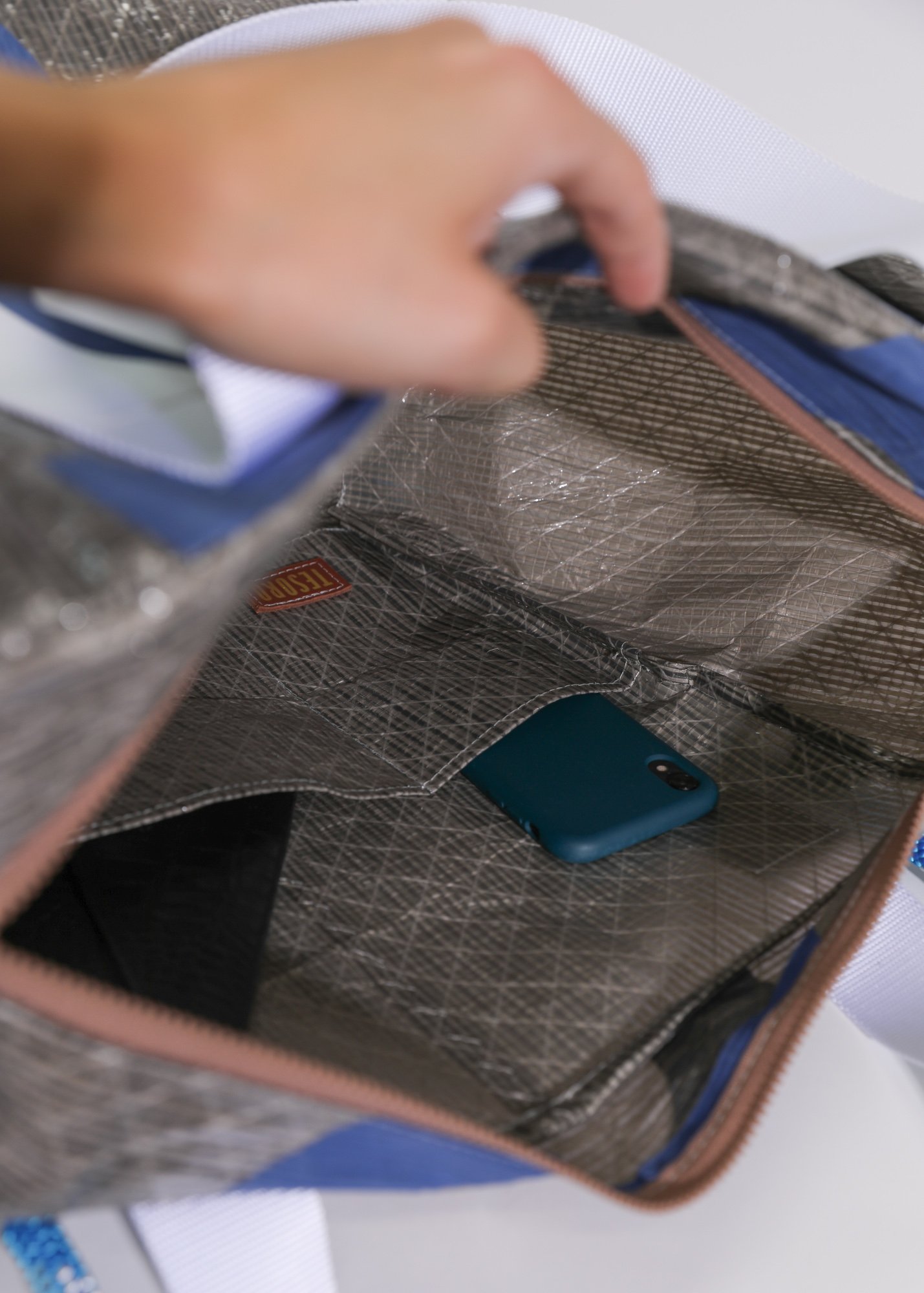
8 interior pockets to keep smaller items organized
Hat + towel holder for carrying a hat in and a rolled-up sandy towel out
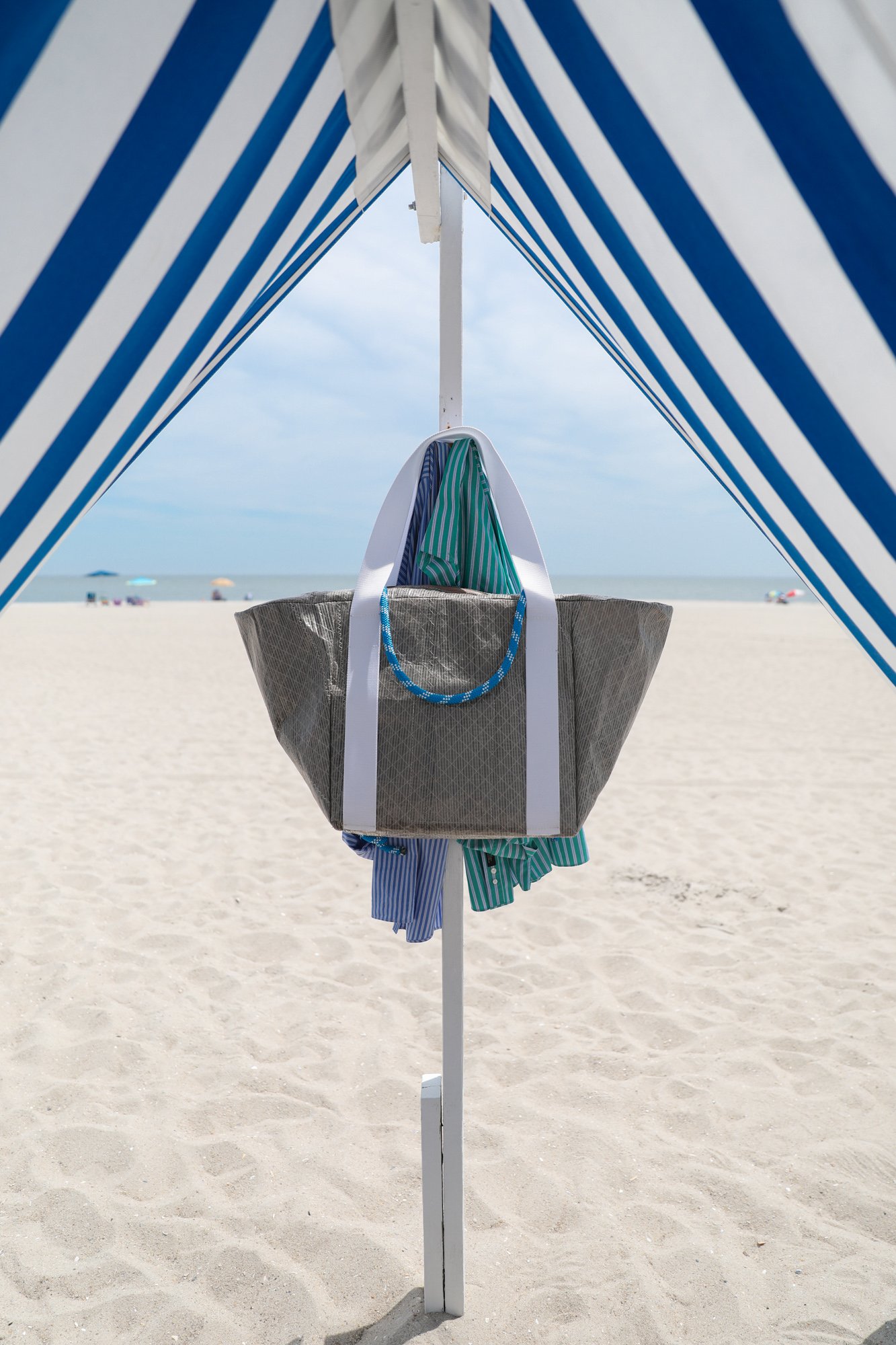
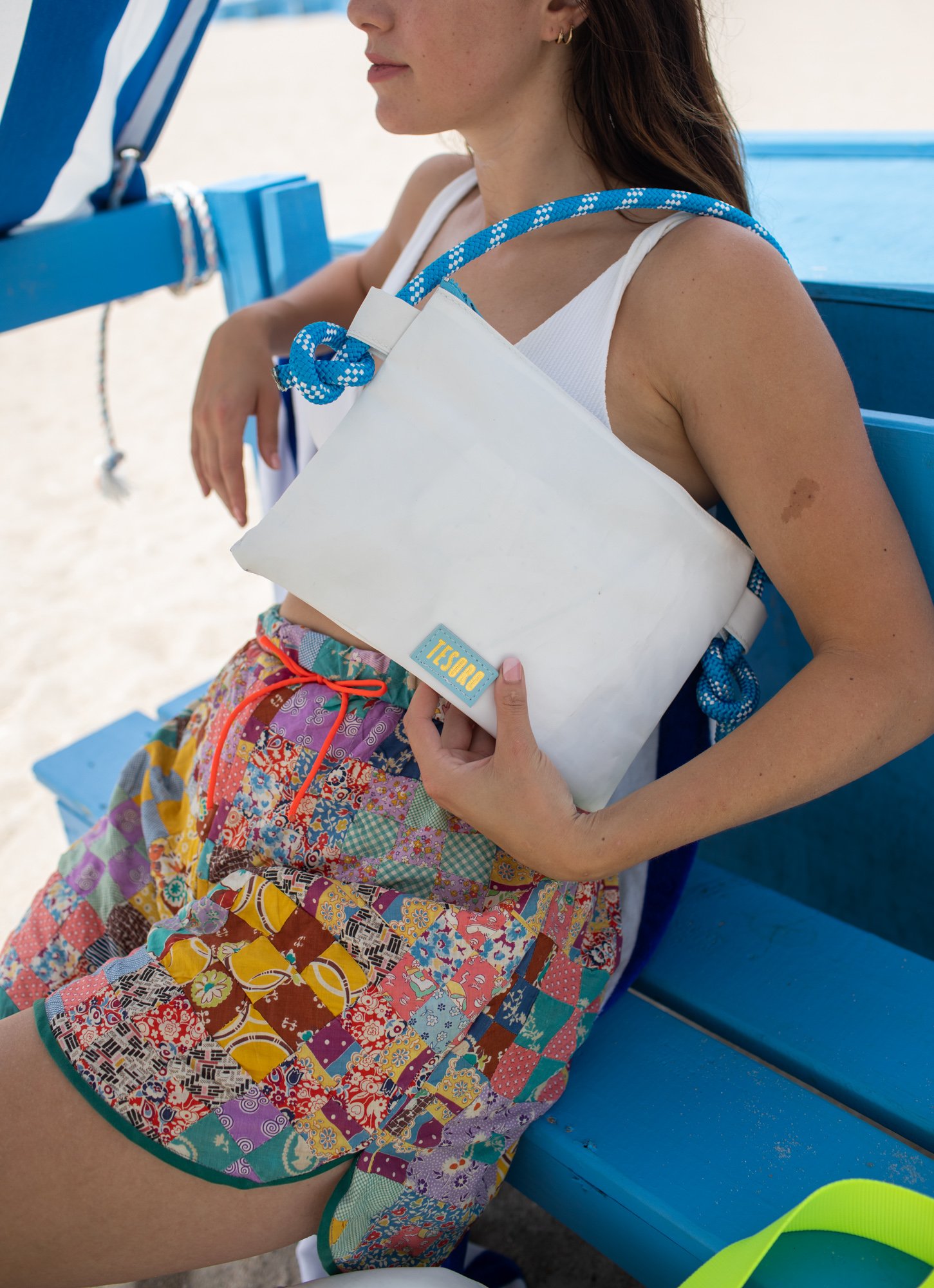
Removable rope strap for backpack or crossbody carrying
→
5. Final Product
Lightweight. Waterproof. One of a kind.
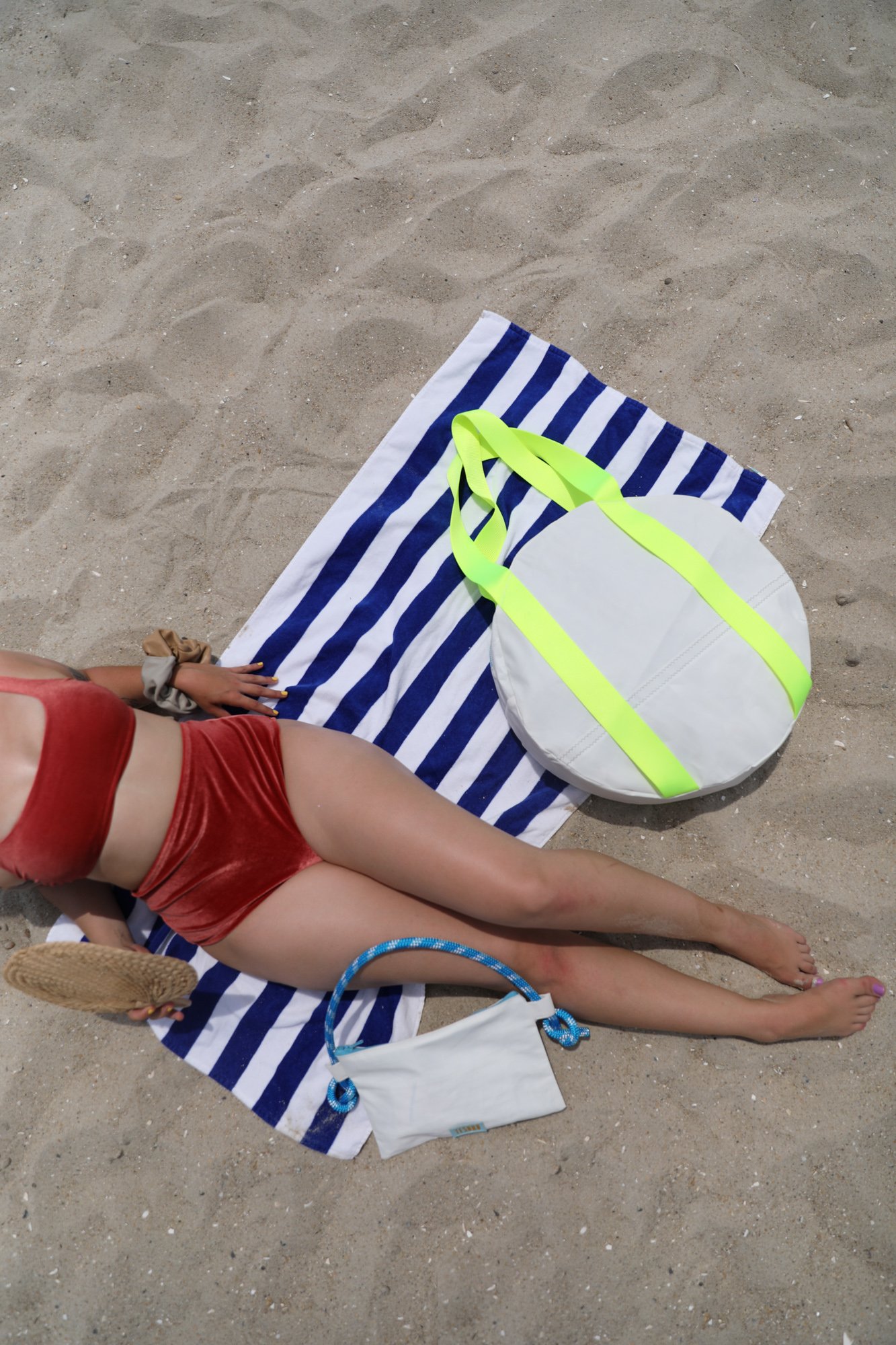
The final bag combines the durability of reclaimed sailcloth with thoughtful beach-specific functionality. The sail material is waterproof, lightweight, machine washable, and easy to clean, while its original markings and variations make every bag unique.
What began as a material destined for disposal became a durable product designed for years of continued use.
→
6. Commercial Strategy
Target Customer: Women, 30–60
Retail Price: $95
Material: Reclaimed sailboat sails
Channel: Wholesale + eCommerce
Production: Handmade by me and my team in Philadelphia
Positioning: Sustainable + highly functional + one-of-a-kind
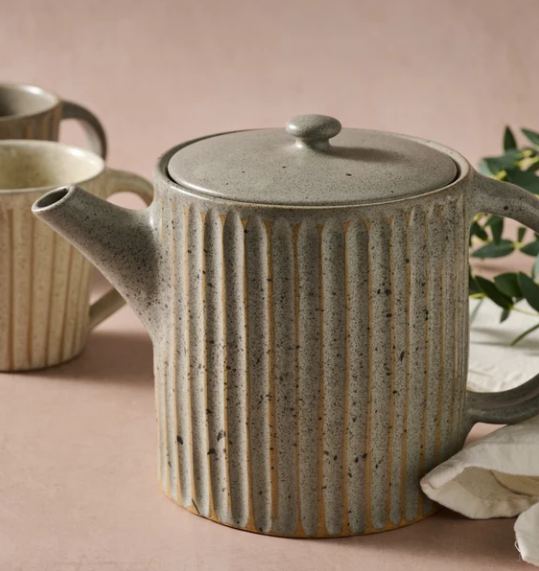
Functional Kitchen Collection
Case Study 005: The Opportunity
Great buying isn't just about finding a great product—it's about recognizing how individual pieces can work together to create a stronger assortment.
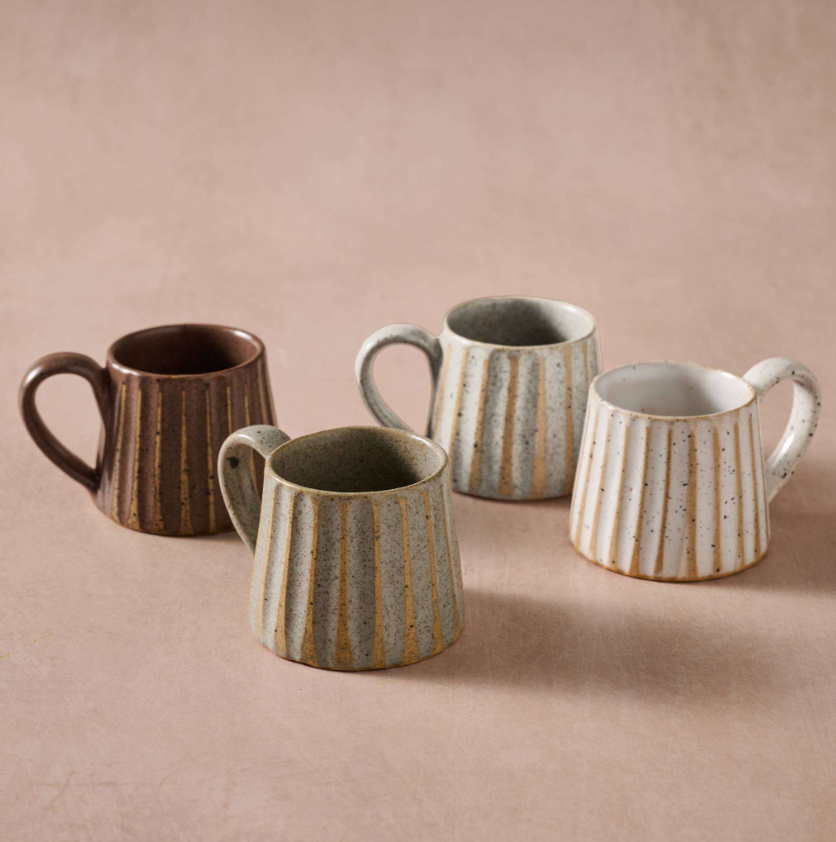
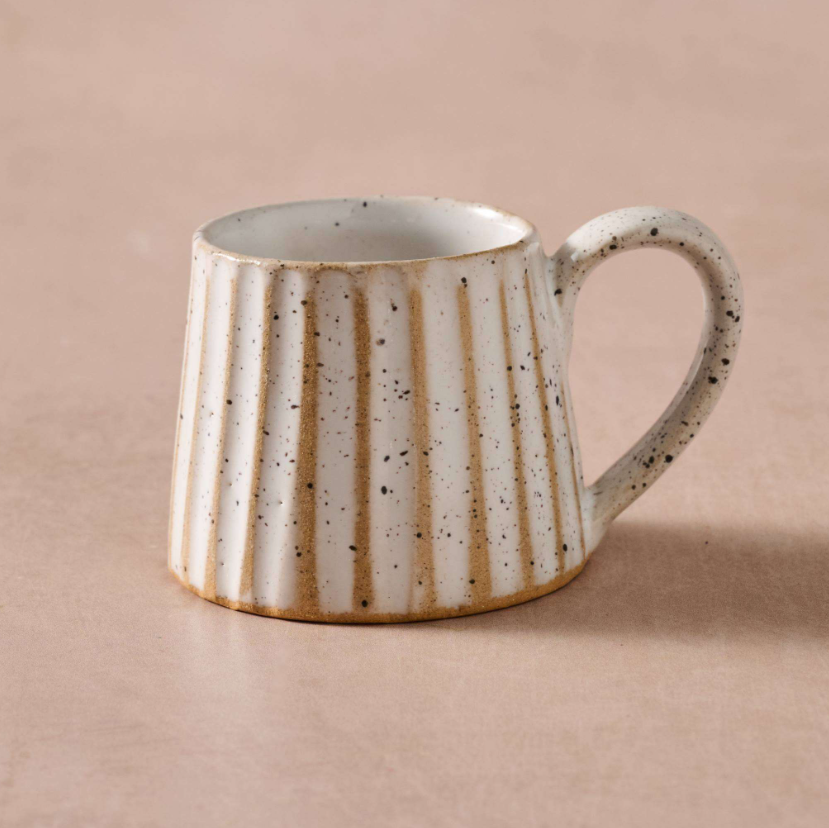
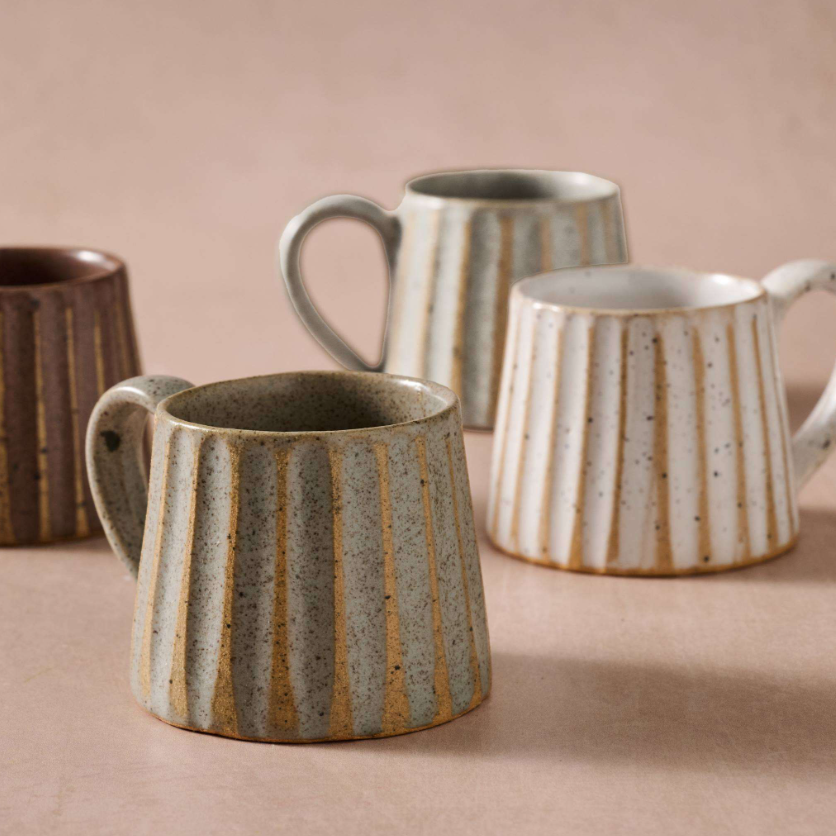
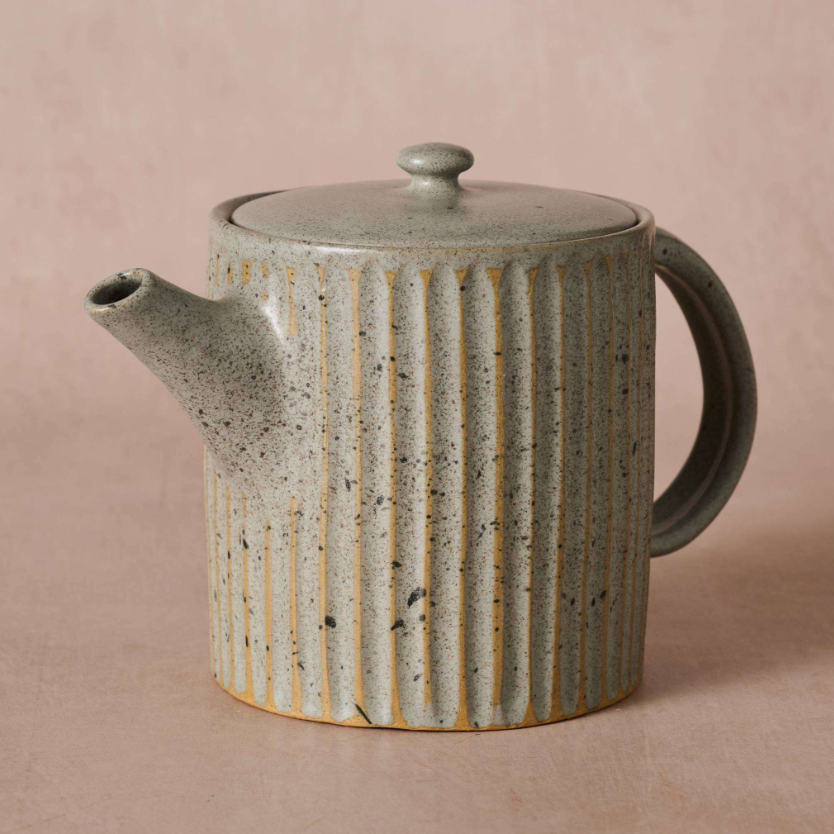
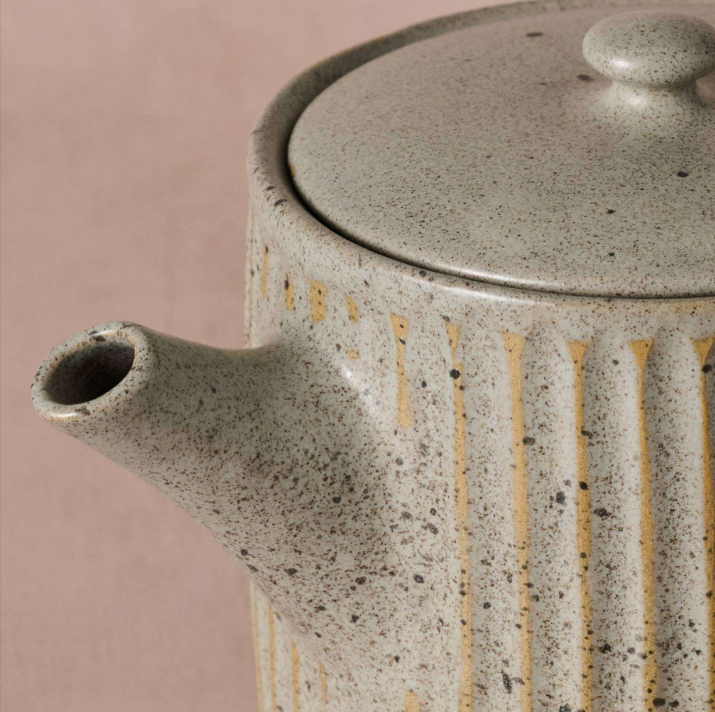
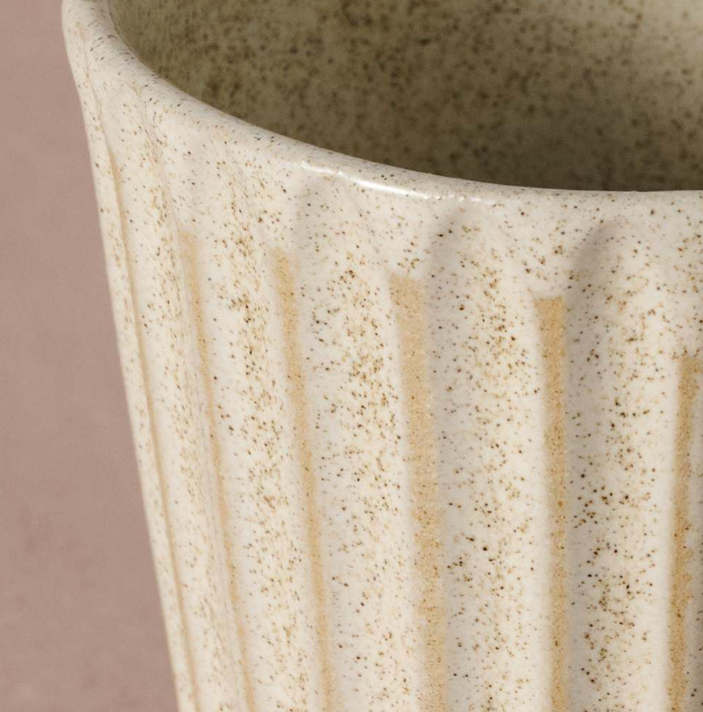
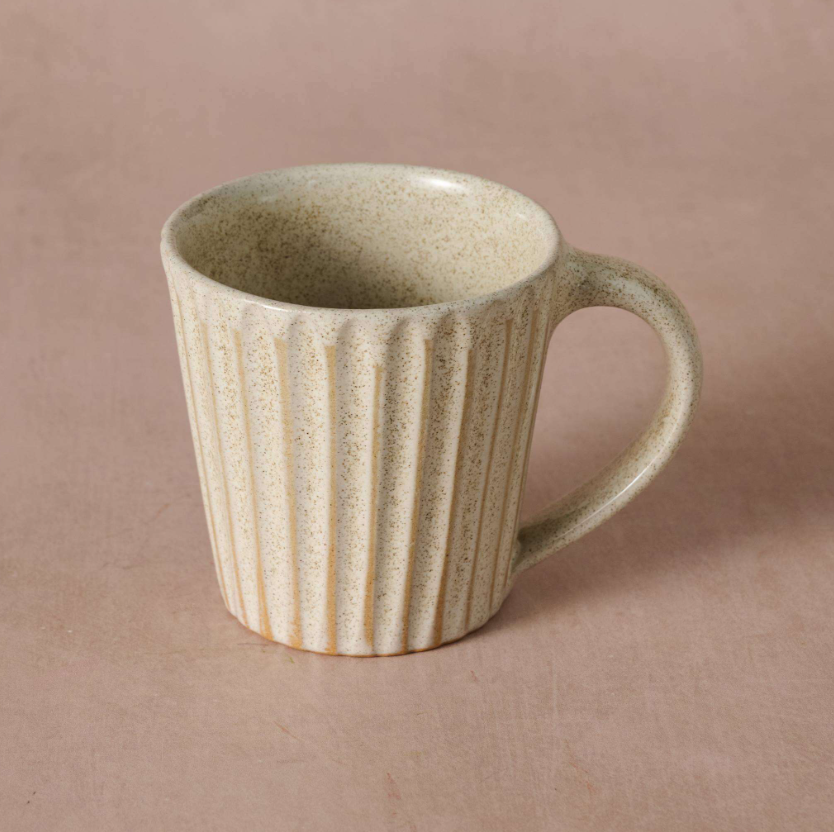
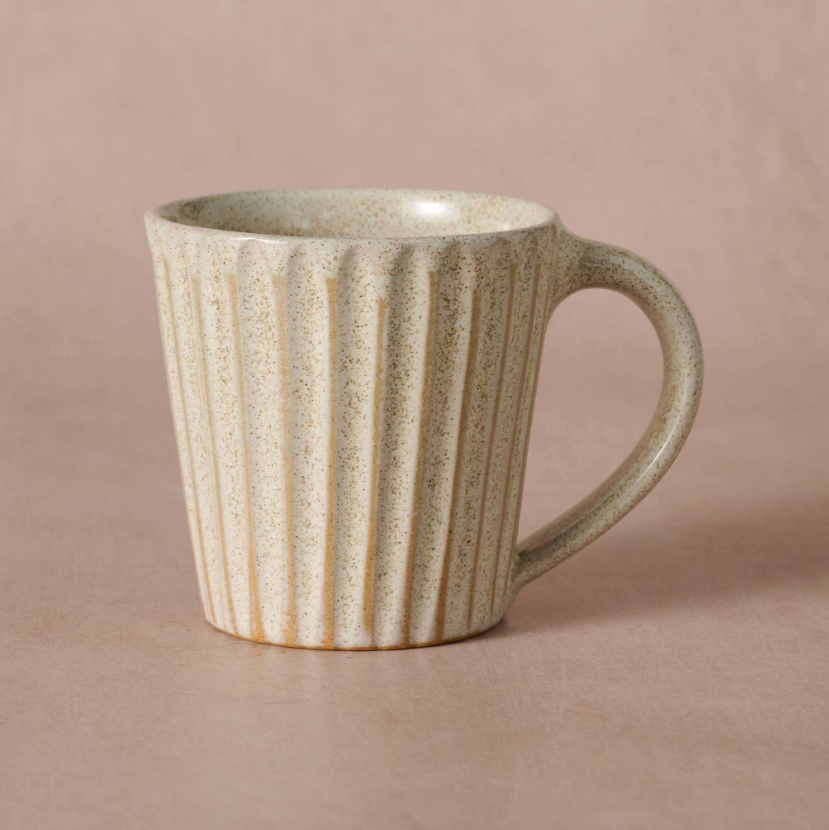
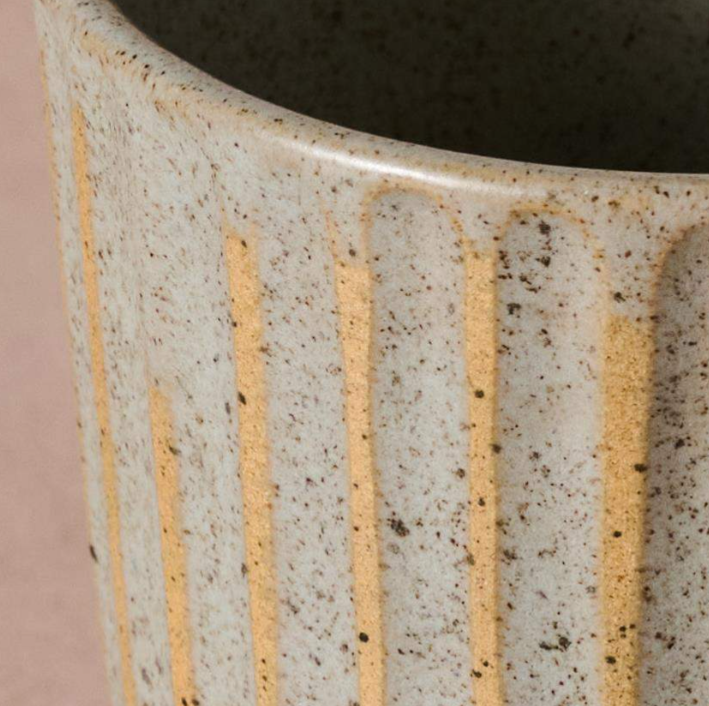
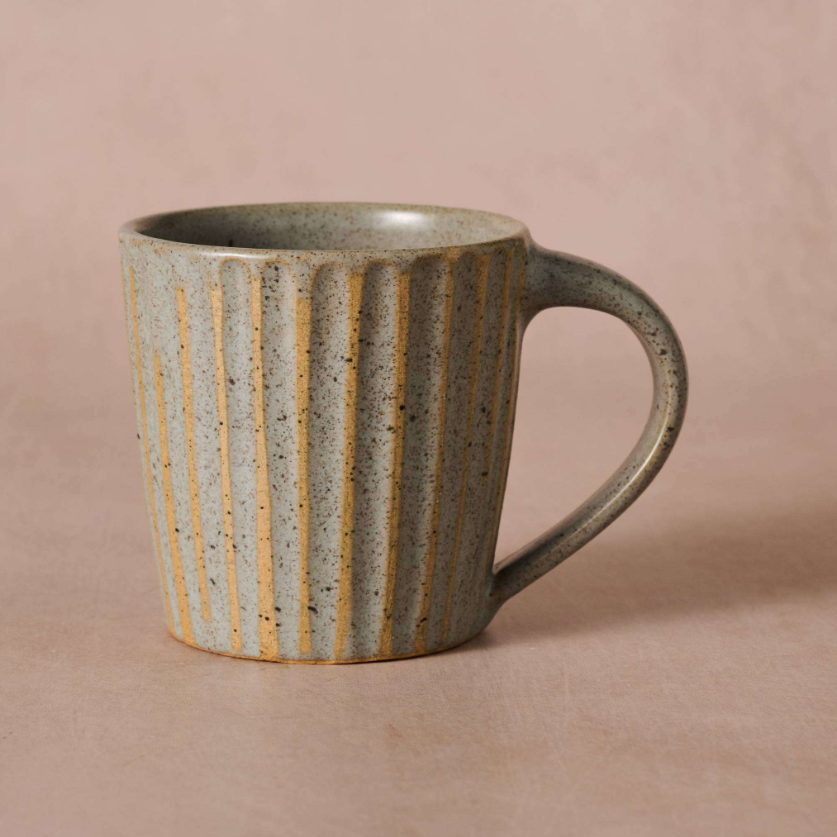
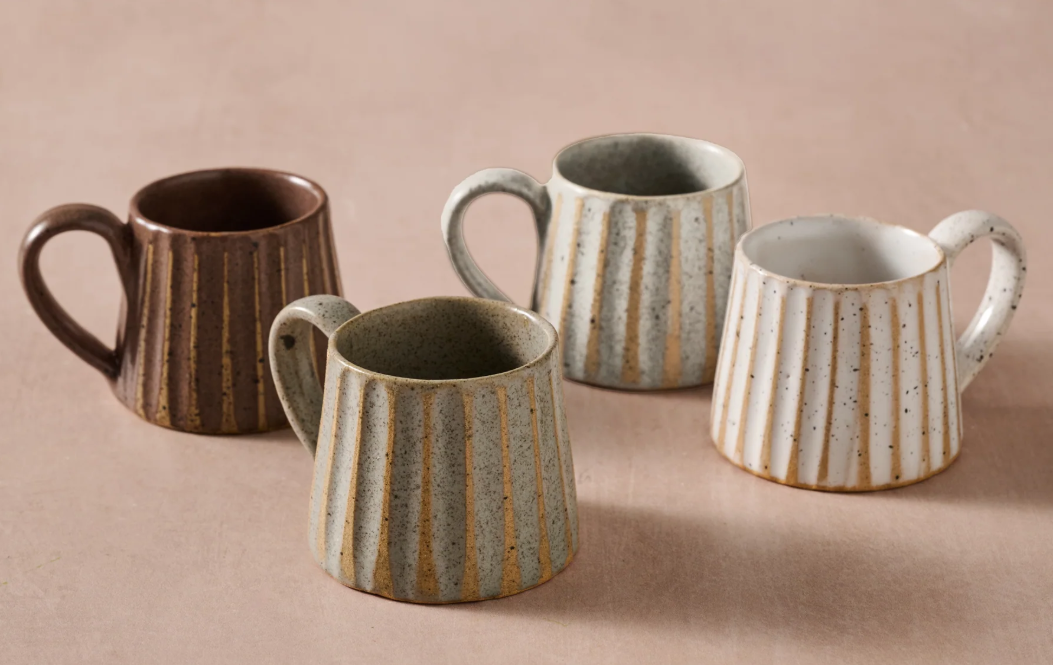
While reviewing an artisan partner's ceramic offering, I identified an opportunity to build a coordinated tabletop collection around their distinctive vertically carved stoneware. The combination of warm exposed clay, softly speckled glazes, and simple forms felt contemporary while still allowing the handmade nature of the ceramics to remain visible.
Rather than selecting pieces independently, I approached the assortment as a collection—considering function, scale, color, price point, and how customers might build on their purchase over time.