I started a business at 24. I didn't know yet how much it would teach me.
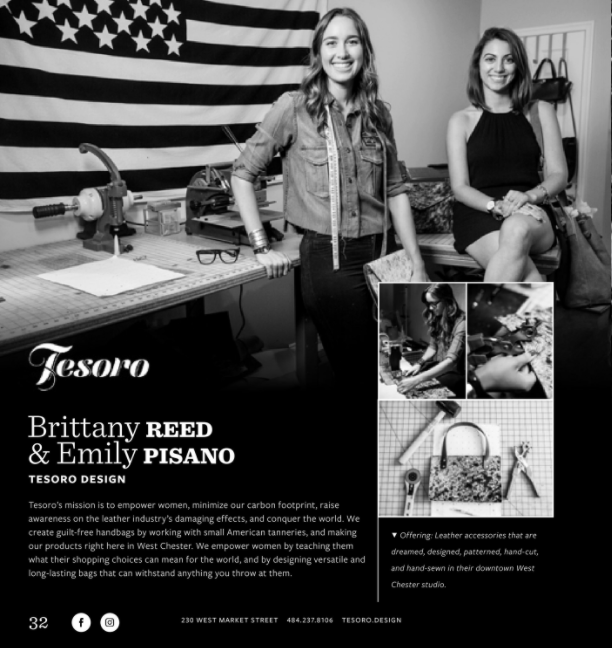
At 24 years old, I started Tesoro Design in West Chester, Pennsylvania, alongside a business partner and an angel investor.
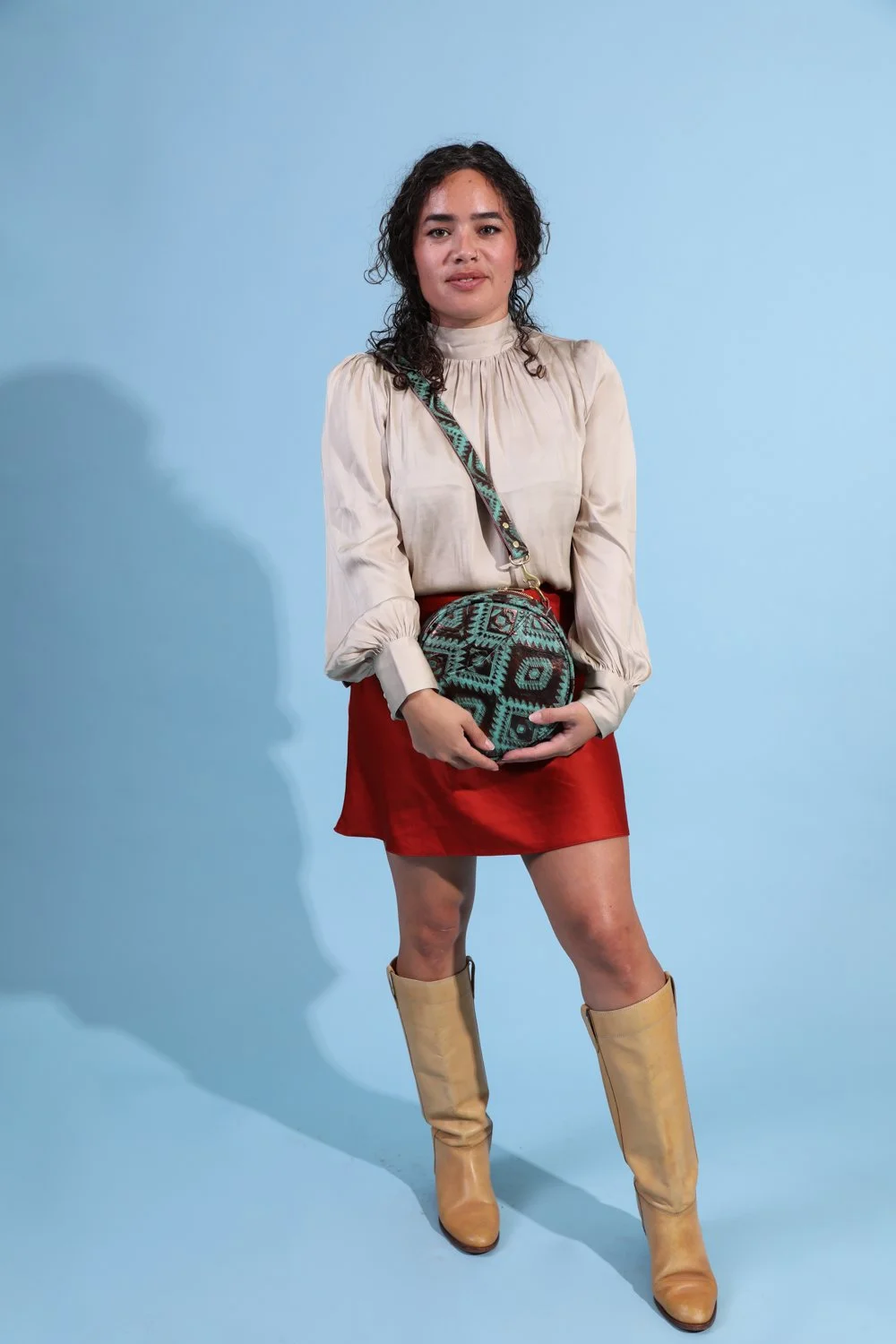
I was a designer and leatherworker, but becoming a business owner meant learning everything surrounding the product, too: sourcing materials, pricing, merchandising, photography, marketing, retail, wholesale, customer service, production—and figuring out what people were actually willing to buy.
Tesoro became my education in what happens after you design something beautiful.
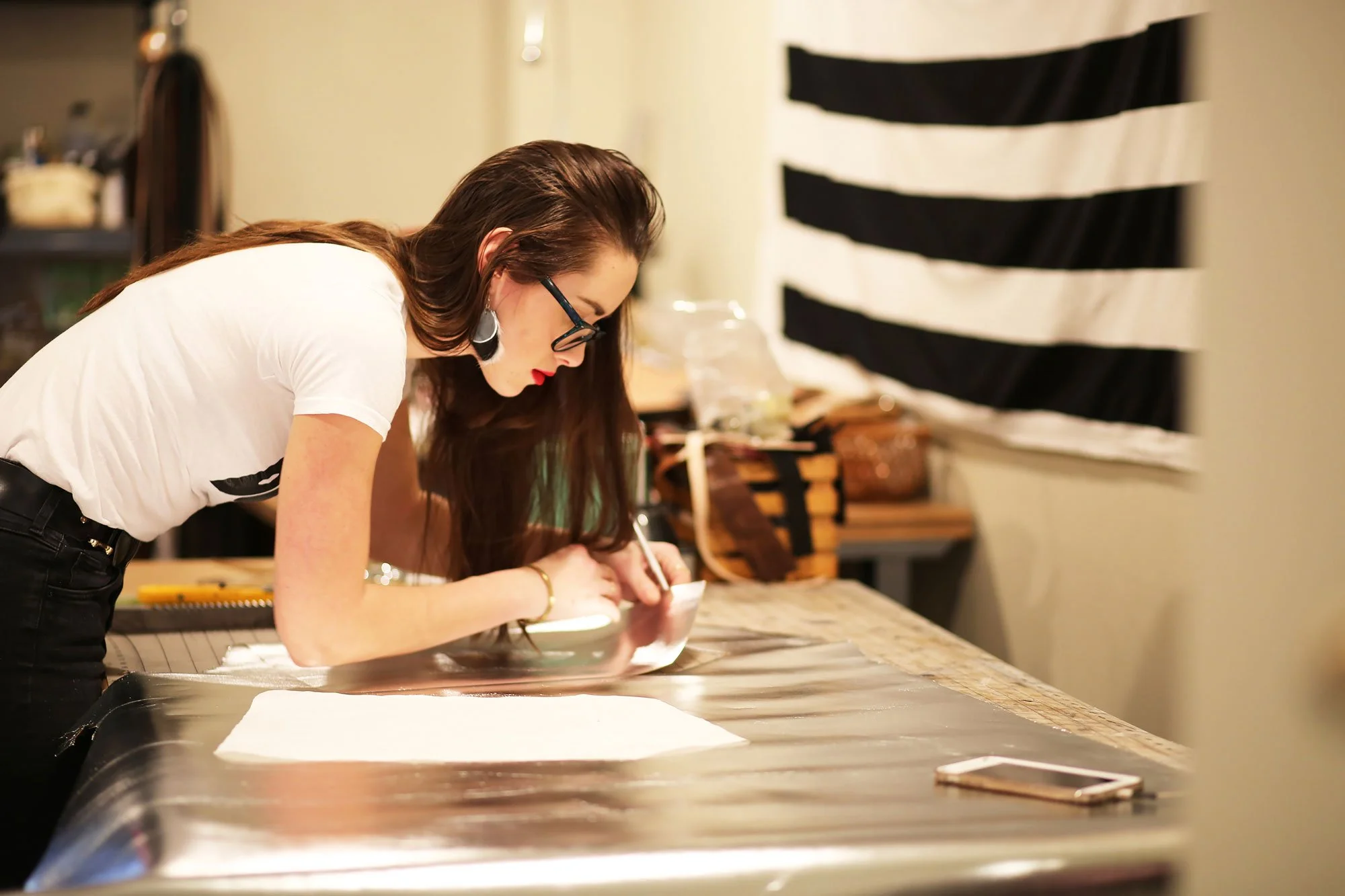
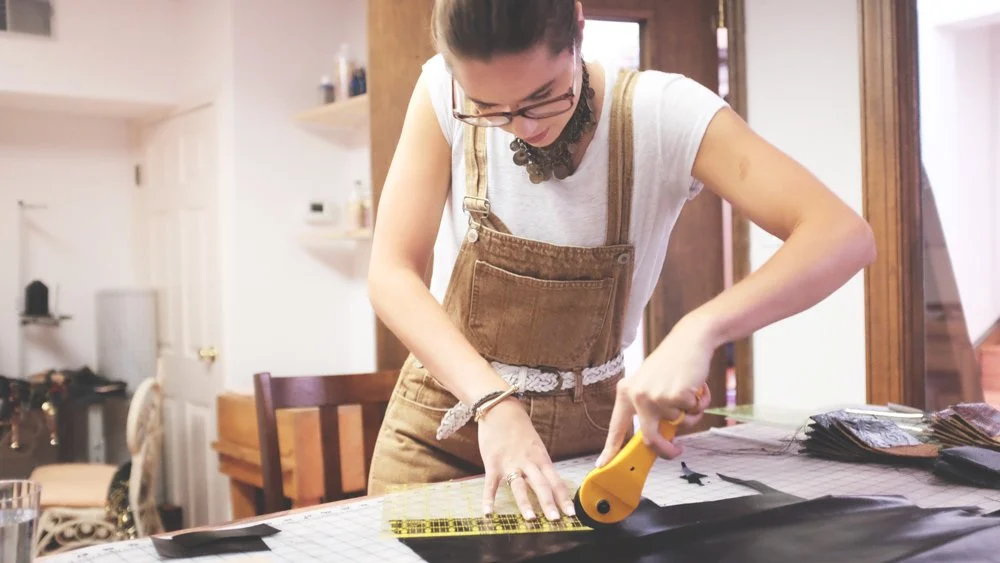
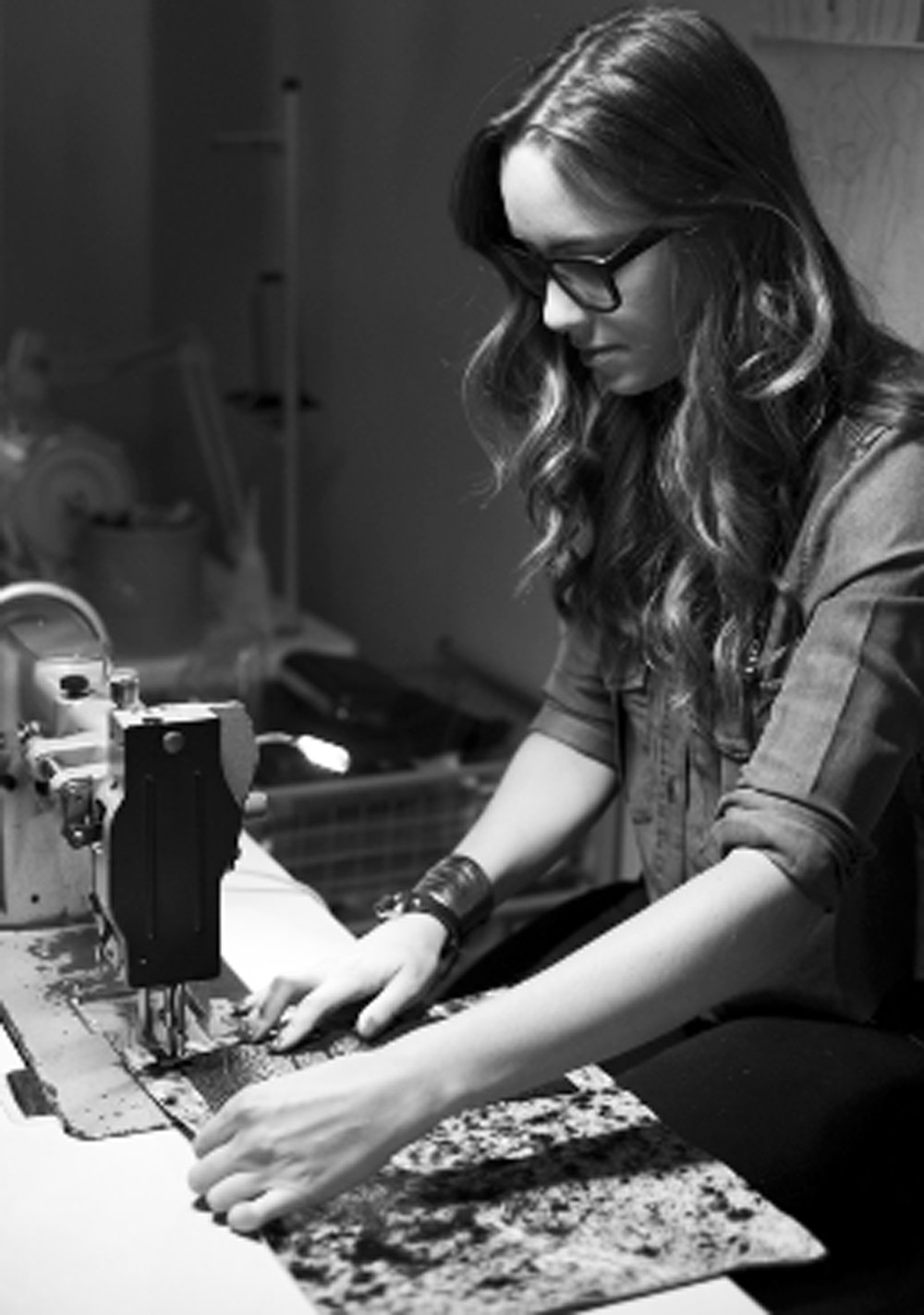
Learning to build—and rebuild
Three years in, the business changed dramatically. My business partner left to pursue a career in public service, and our angel investor relocated his business.
I had a decision to make.
I chose to keep going.
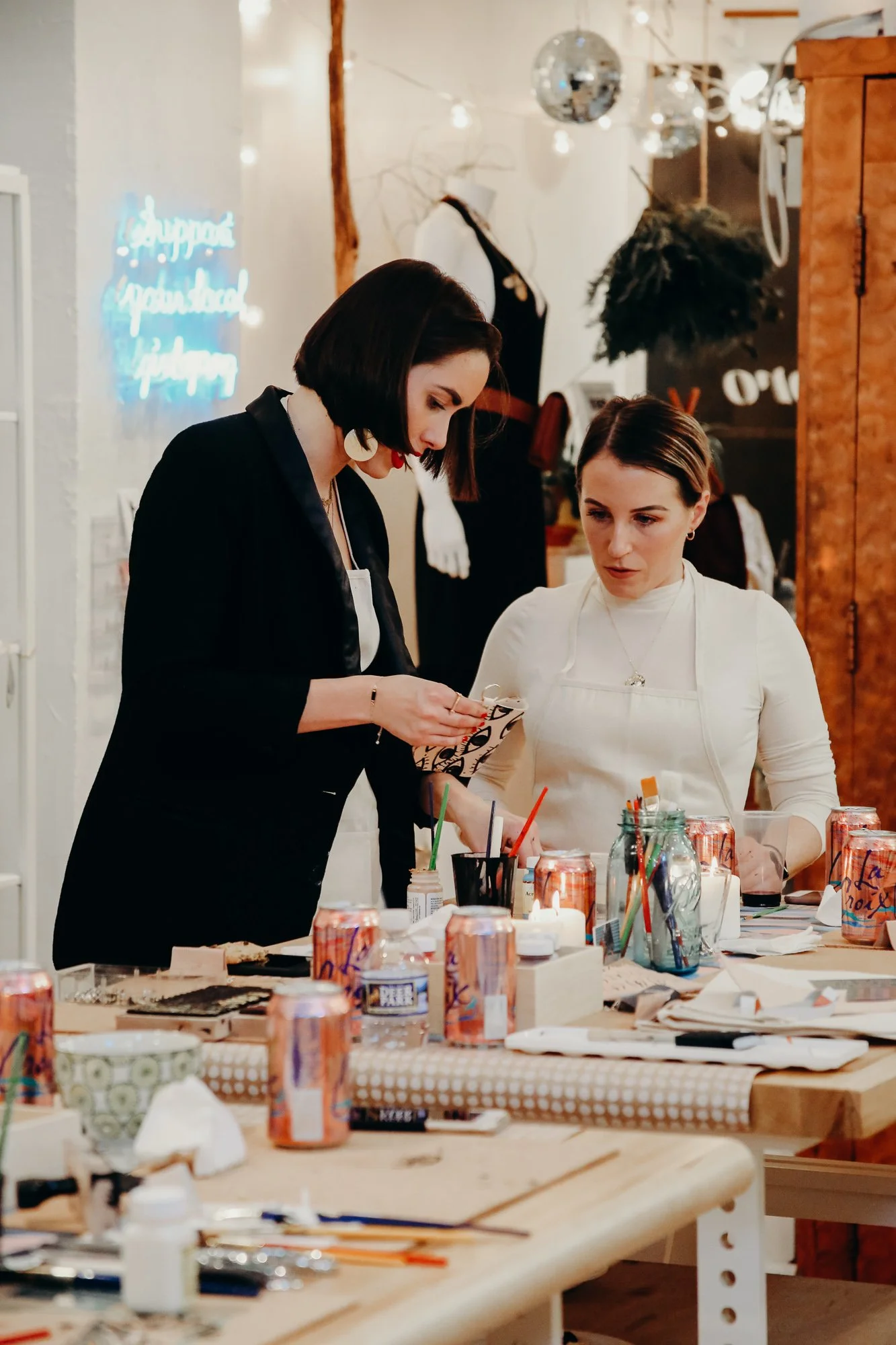
I moved Tesoro to Philadelphia and opened a retail store on South Street in the Graduate Hospital neighborhood. I started teaching workshops after hours and was soon covering my monthly rent with the workshops alone. The business continued to grow, and eventually I took another leap: opening a dedicated studio space in a building filled with other artists.
One month later, COVID hit.
Almost overnight, the business I had spent years building around physical retail, making and community had to operate in a world where people weren't walking into stores.
So I started experimenting.
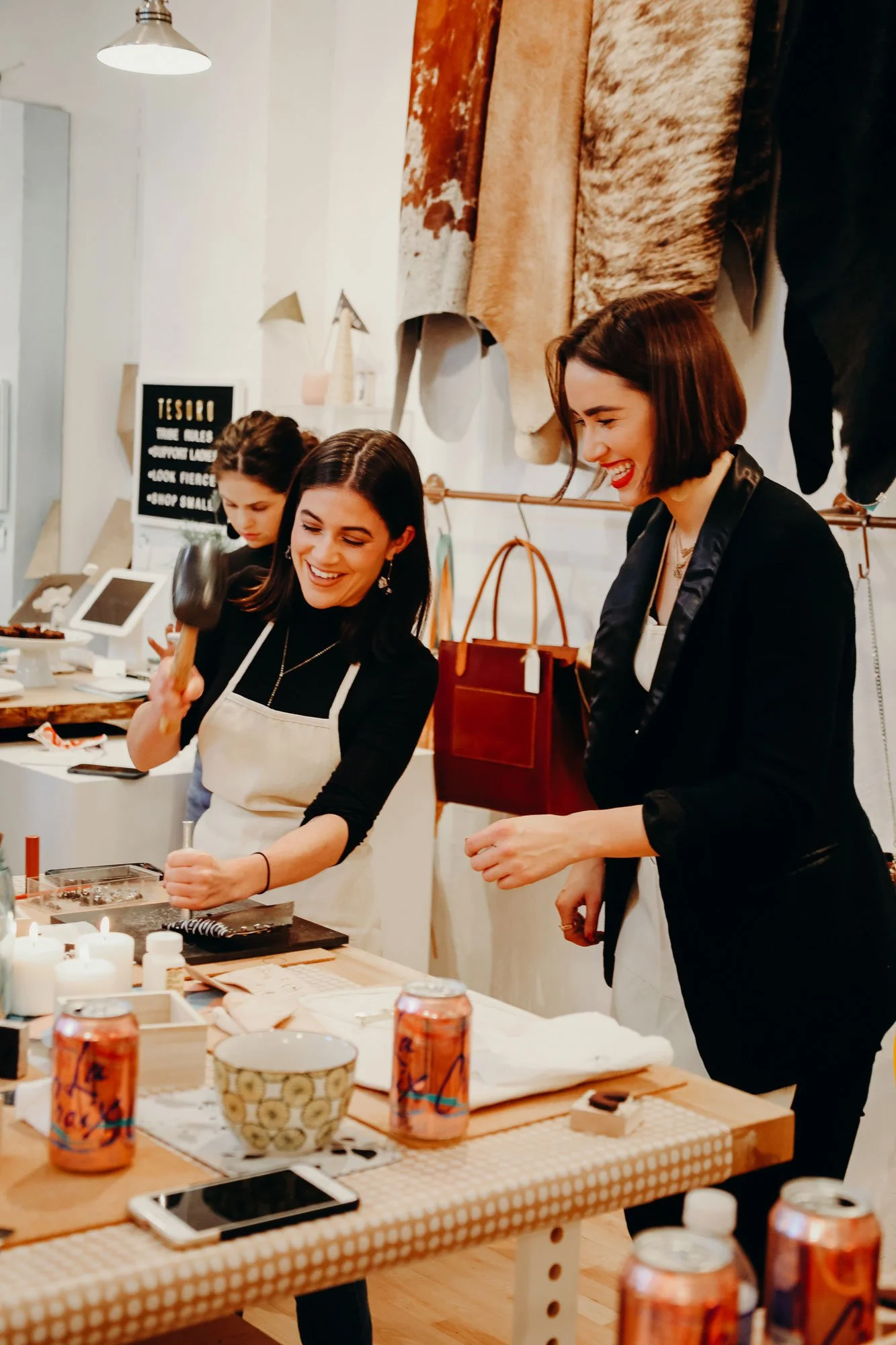
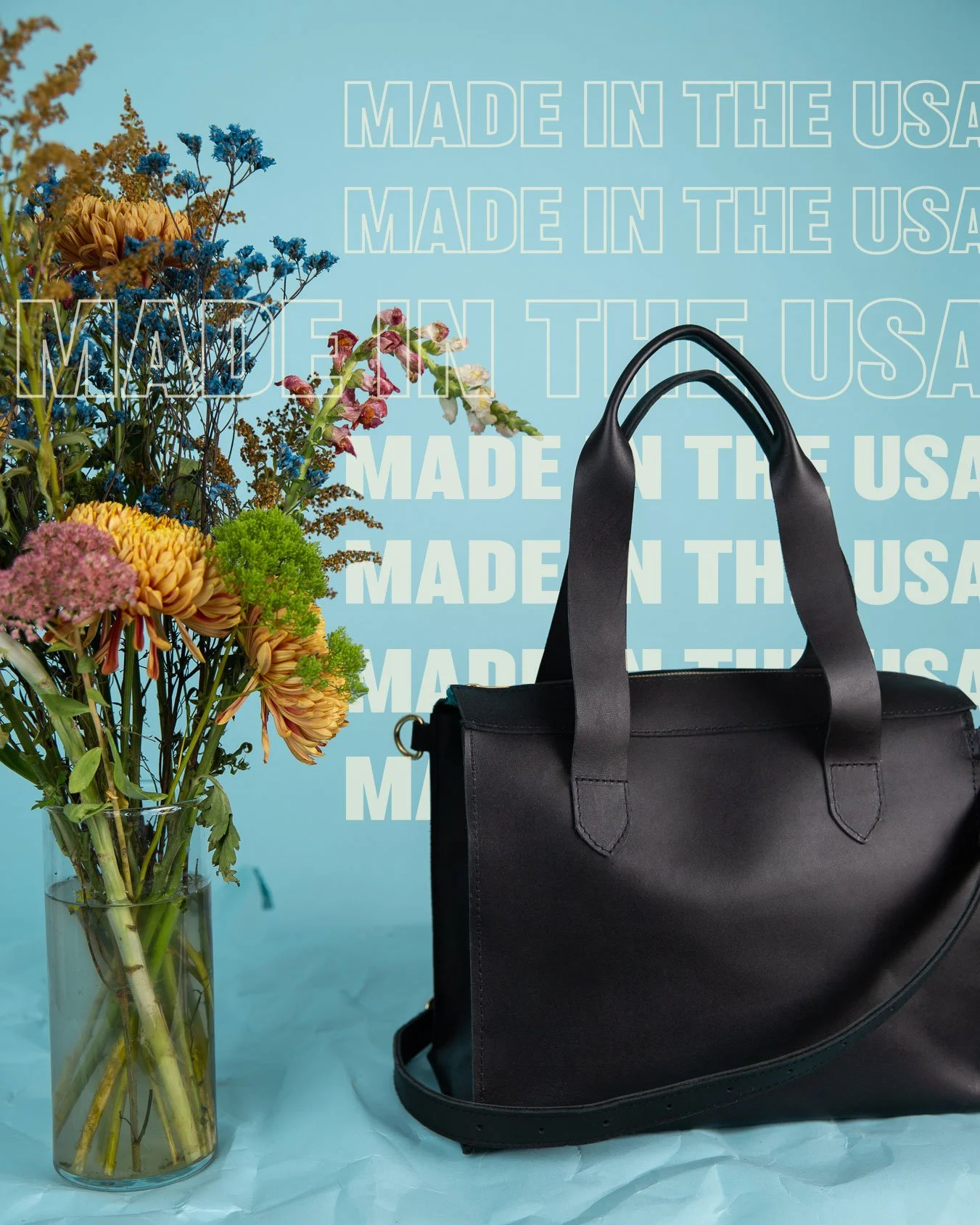
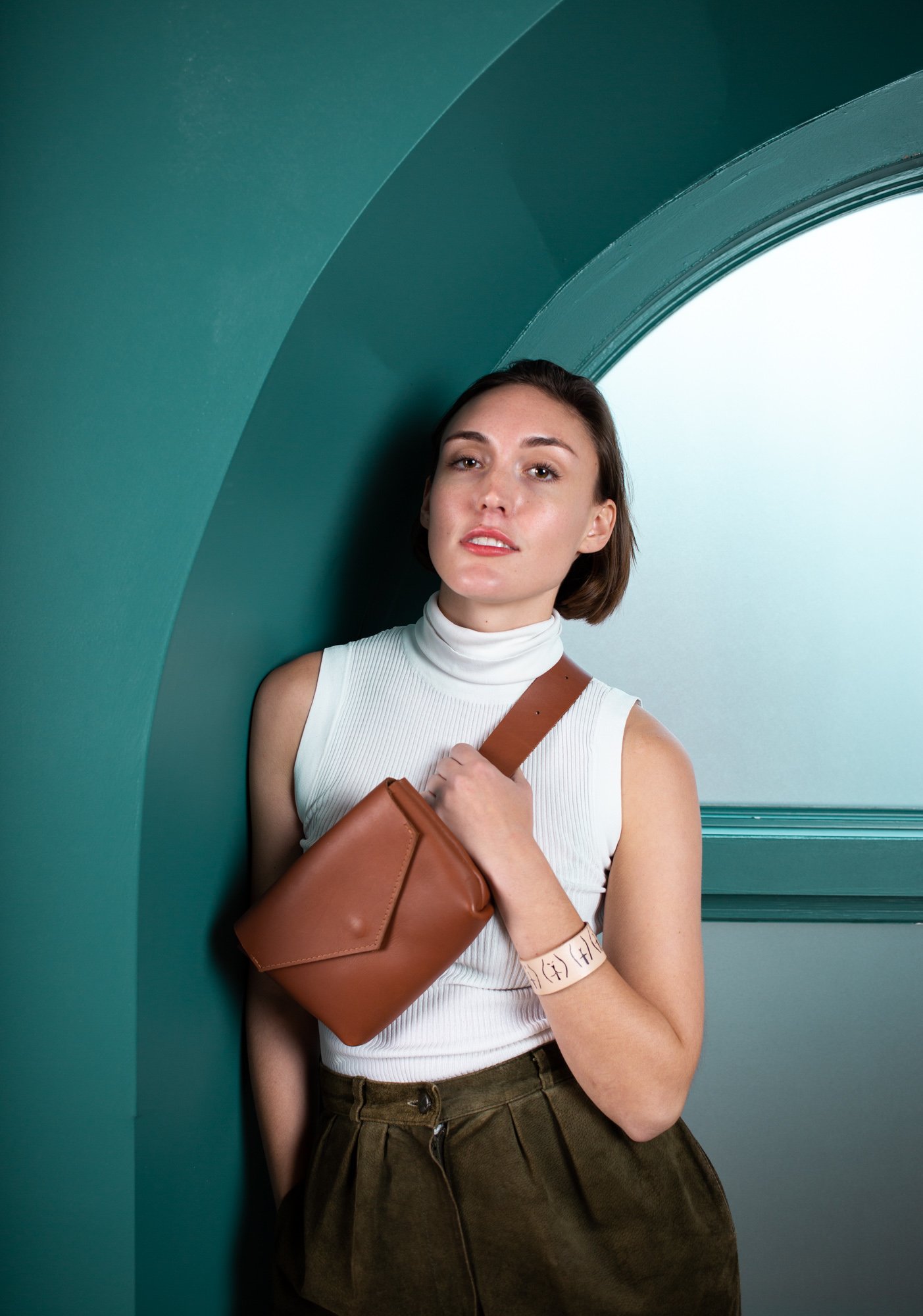
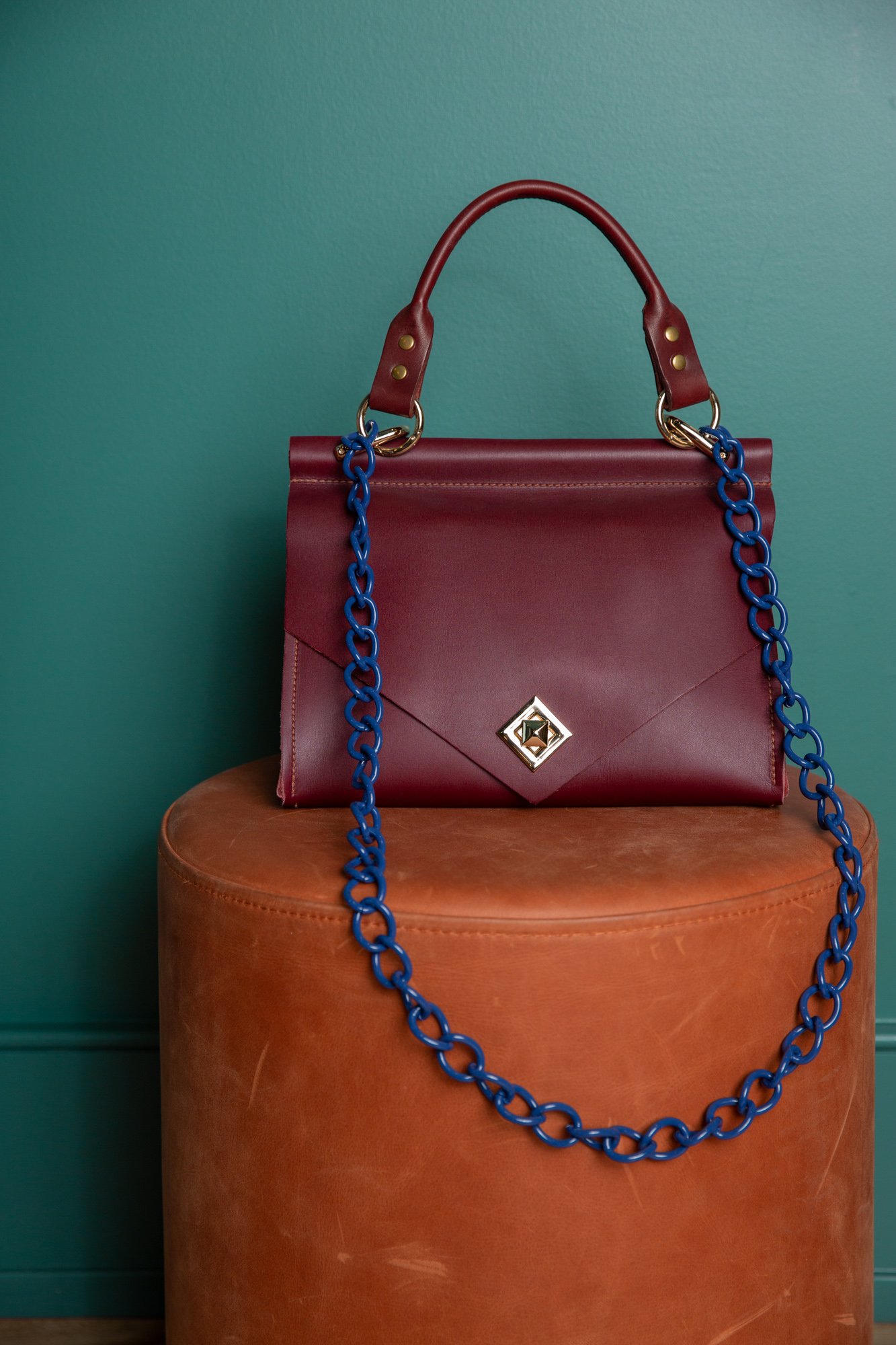
When the market changed, I changed with it.
I moved the business online and began looking for products that made sense for what customers were experiencing at that exact moment.
I sourced vintage leather goods, restored them and sold them online. I created at-home leatherworking kits and filmed instructional videos so customers could learn to make something themselves while they were stuck at home.
But I was also watching my creative community struggle with the same uncertainty.
I started an Instagram artist series where I interviewed other artists about their work and how they were adapting to the enormous changes happening around them.
It wasn't the business plan I had written.
It was the business the moment required.
From surviving to growing again
After COVID, my focus shifted again.
I began expanding Tesoro's wholesale collection and thinking more seriously about how products could be designed for production beyond what I could personally make with my own two hands.
I hired a full-time maker and taught them leatherworking, allowing me to increase production while maintaining the construction and quality standards I had developed.
That transition taught me something incredibly important about product design:
A product isn't truly scalable if the designer is the only person who knows how to make it.
Designing became as much about communication, specifications, repeatability and teaching as it was about creativity.
Knowing when to close something you've built
Eventually, I made the difficult decision to close Tesoro.
When I announced the closure, customers showed me just how meaningful the brand had become to them. In the final two months, Tesoro generated $40,000 in sales.
I'm proud of that number, but what stays with me more is what it represented.
I had built products people wanted to own—and a brand people cared enough about that, when they learned it was disappearing, they showed up.
Tesoro never really left my work.
Closing the company didn't end my relationship with product design.
If anything, Tesoro shaped the way I approach it today.
It taught me that a beautiful product isn't enough. It has to have a reason to exist. It has to work for the customer, be possible to produce, make sense at its price point, and respond to the way people actually live.
Leatherworking and making things with my hands are still passions of mine. But the part I've carried forward most is the problem-solving.
Today, whether I'm designing something myself, developing a product alongside a maker, building a collection or deciding which product deserves a place in an assortment, I'm still asking the same question I learned to ask at Tesoro:
How can I make something that someone will genuinely want to live with—and that makes their life a little better?