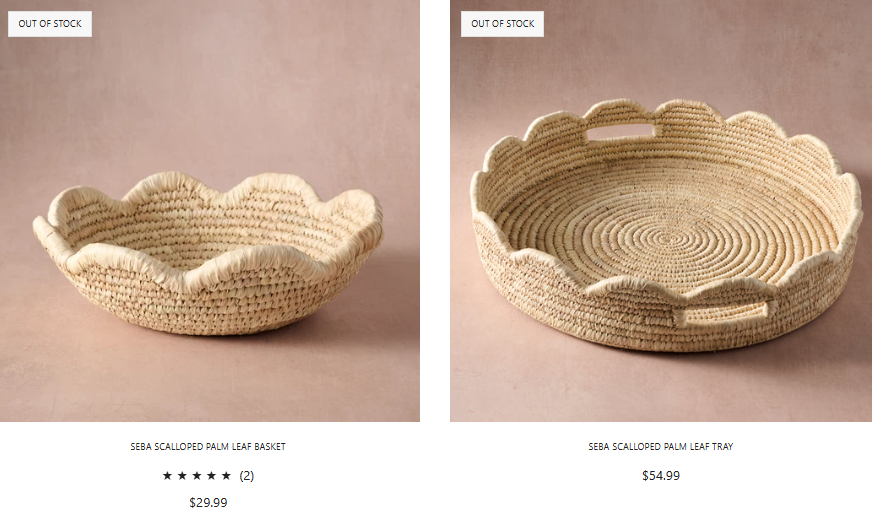
And then sold out…
Seeing where the market was going—and designing for it.
Some of my favorite product ideas start by connecting two things: what I'm seeing in the market and what our artisan partners already do exceptionally well.
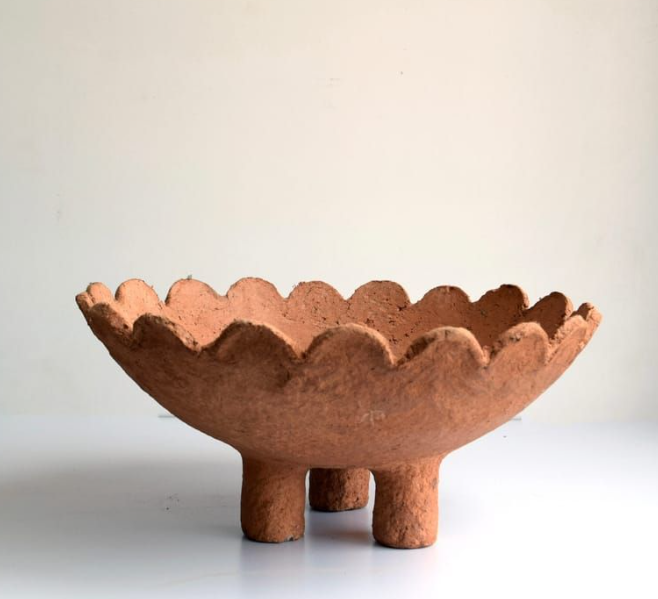
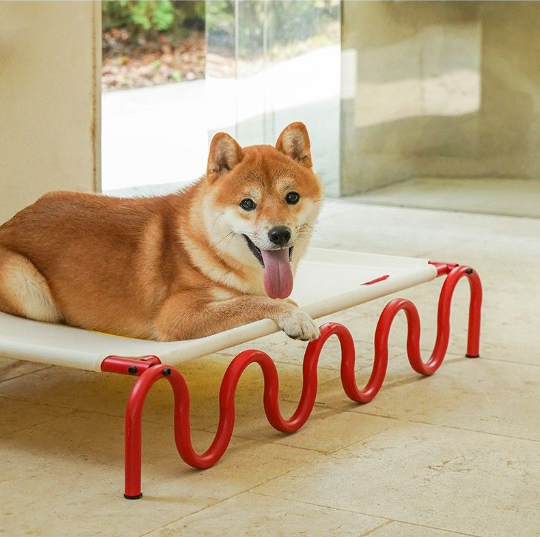
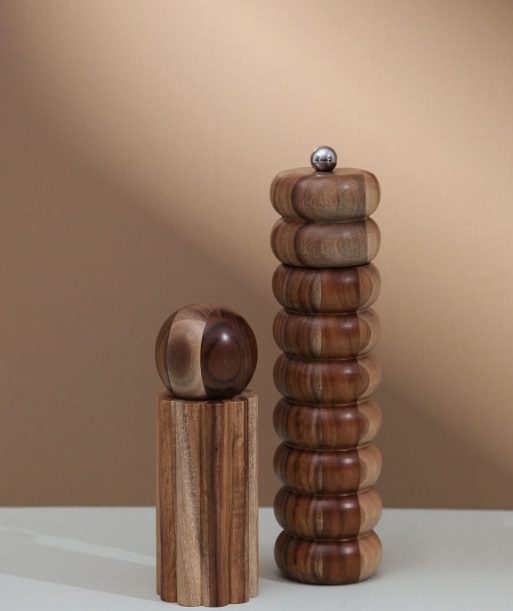
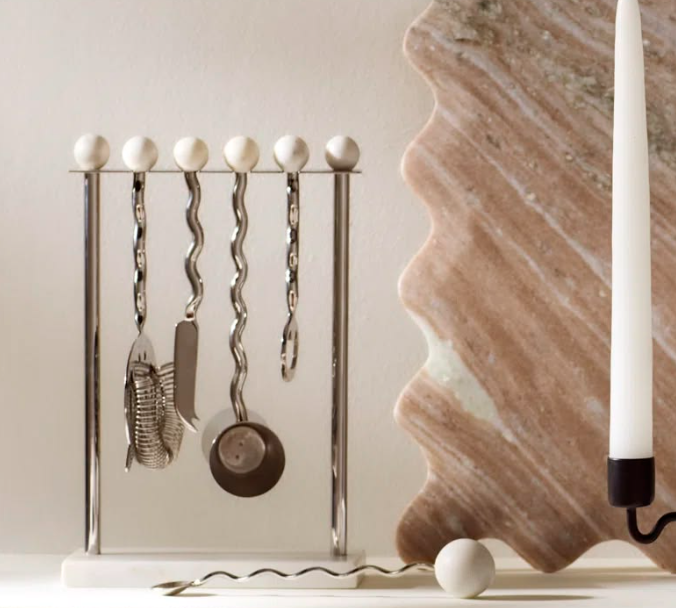
While researching home décor trends, I began noticing a shift away from rigid, minimal silhouettes toward softer shapes, curves and playful edges. Scalloped details were beginning to appear across interiors, and I believed this softer design language had staying power.
Rather than simply sourcing an existing scalloped product, I saw an opportunity to translate the trend through one of our existing artisan techniques.
From trend research to original design
Our artisan partners in Bangladesh were already highly skilled in handweaving natural date palm leaf. I loved the warmth and texture of the material, but I wanted to rethink the silhouette.
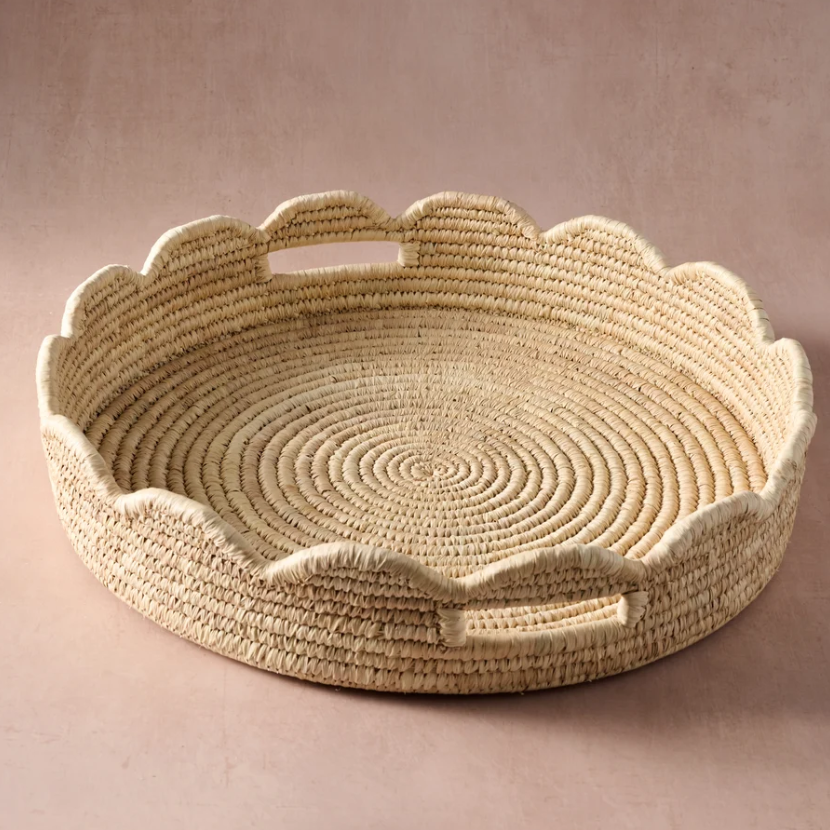
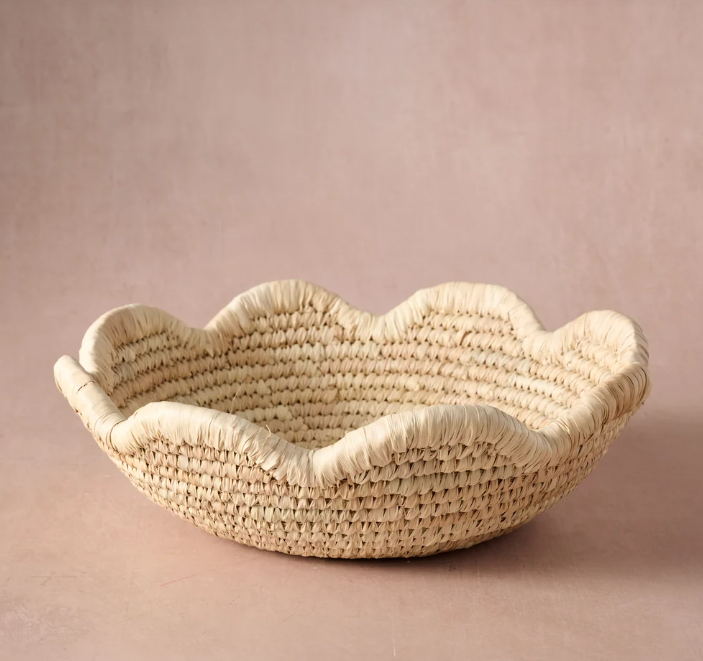
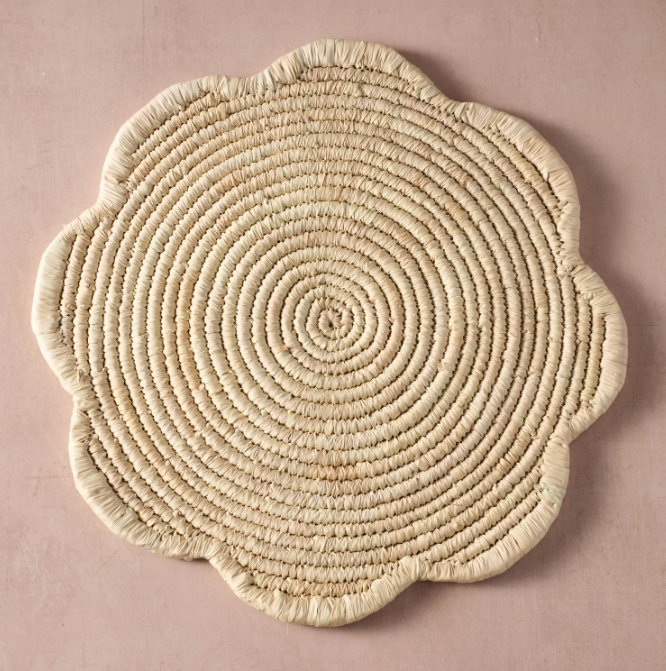
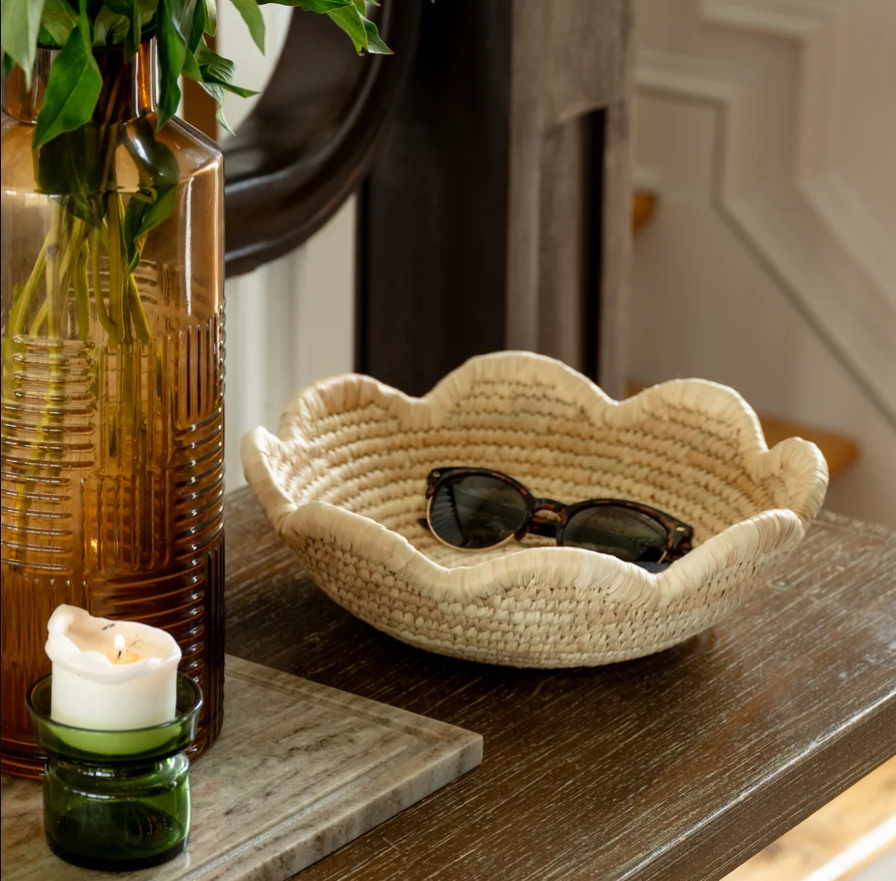
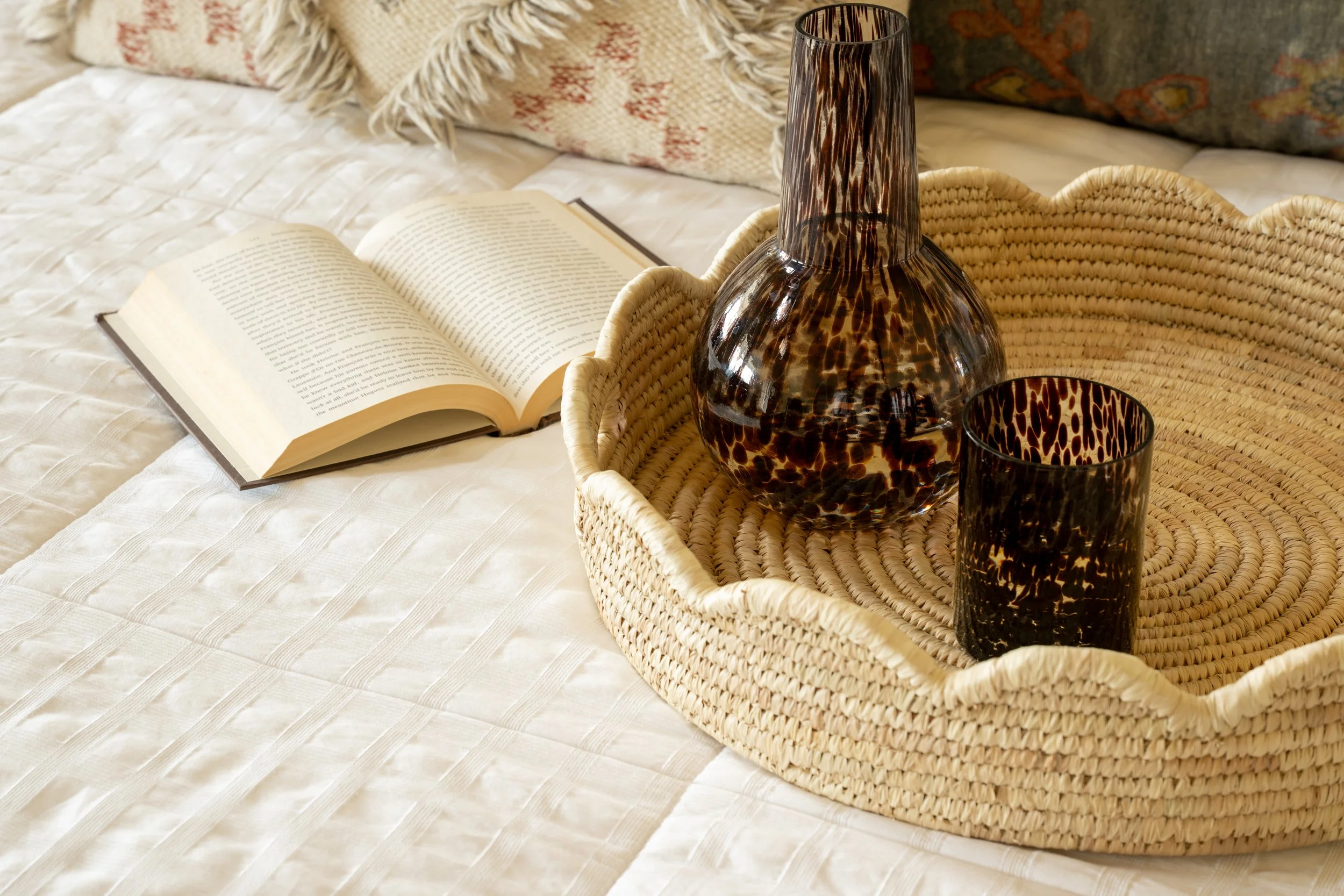
I developed the scalloped edge as the defining feature of the collection, transforming a traditional woven basket and tray into something softer, more decorative and more aligned with where I saw the home market moving.
The challenge was to make the scallop feel intentional without losing the organic quality that makes a handmade product special.
Designing for our customer—not just the trend
Trend research is useful, but I don't believe in developing something simply because it's trending.
For me, the more important question is:
Does this trend make sense for the brand, the customer and the maker?
Here, it did.
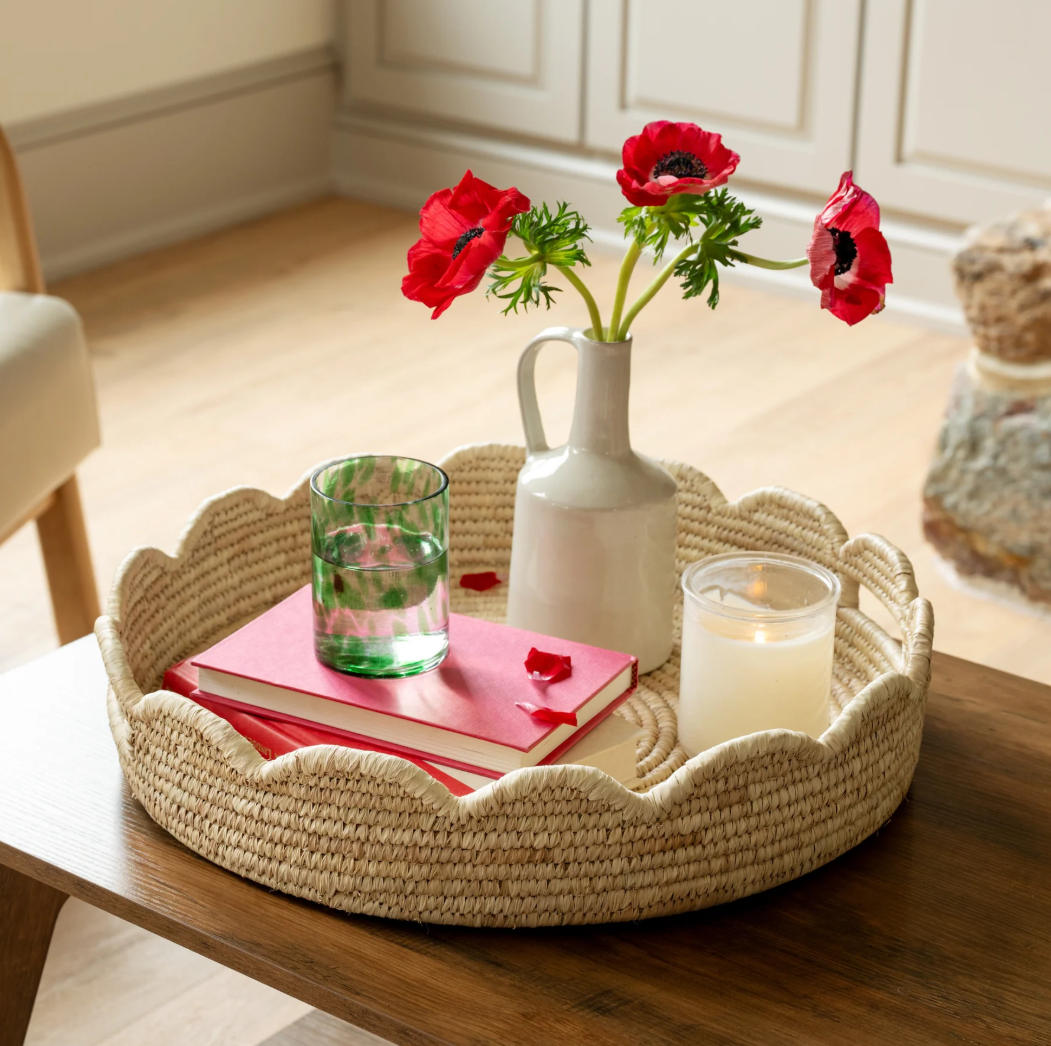
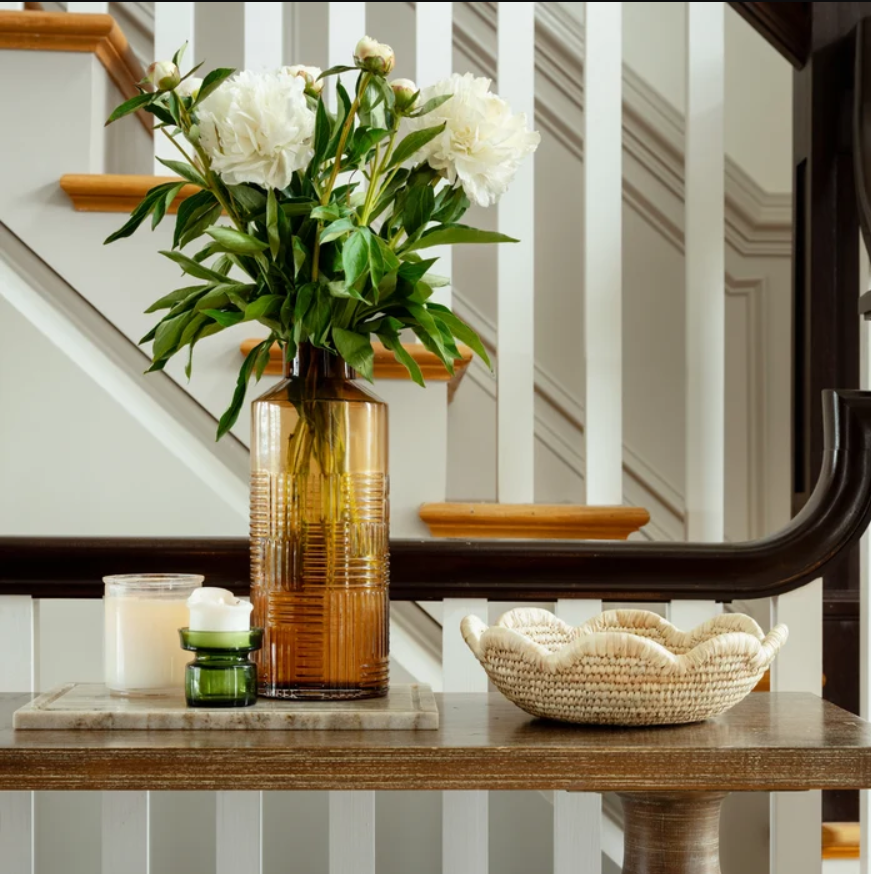
The scalloped silhouette brought a contemporary point of view to a natural material, while the neutral palm leaf kept the collection versatile and approachable. The pieces could live comfortably in a modern home without losing the handwoven character at the center of the product.
I also designed the concept across multiple forms, allowing the scalloped edge to become a recognizable collection language rather than a one-off detail.
Designing with the maker in mind
The collection was handcrafted by a partner in Bangladesh, a Ten Thousand Villages artisan partner since 1983.
One of the most important parts of my design process is understanding what a maker already does well and finding opportunities to evolve that craft for today's market.
Instead of asking an artisan partner to adopt an entirely unfamiliar process, I was able to take an existing material and weaving expertise and introduce a new silhouette around it.
Their craft became the foundation. My role was identifying where we could take it next.
And then it sold out.
The collection ultimately sold through.
For me, that's what made this project especially meaningful. The scalloped edge started as an observation during trend research, became a design idea, was translated through an existing artisan technique, and ultimately became a product customers responded to.
It's also a good example of how I approach product development:
See the opportunity. Understand the maker. Design for the customer. Then connect the three.
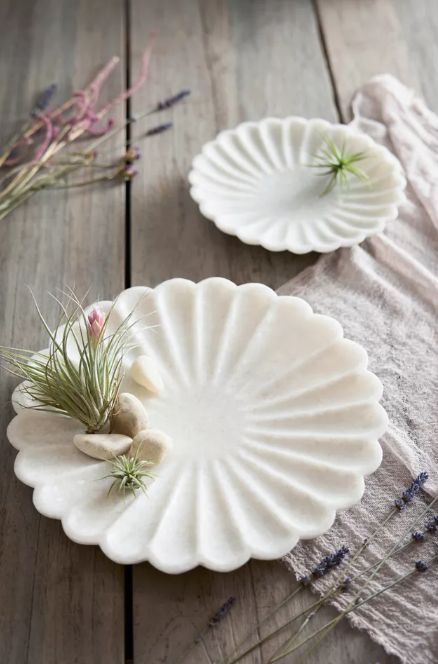
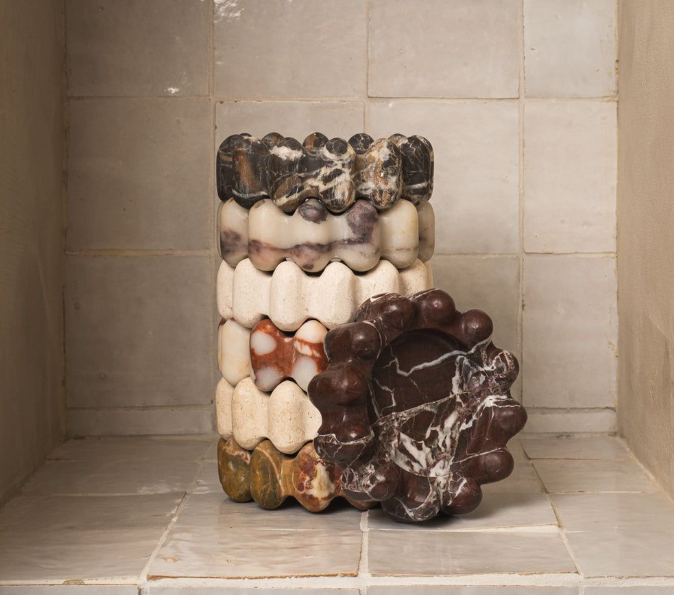
01 — TREND RESEARCH
02 — THE OPPORTUNITY
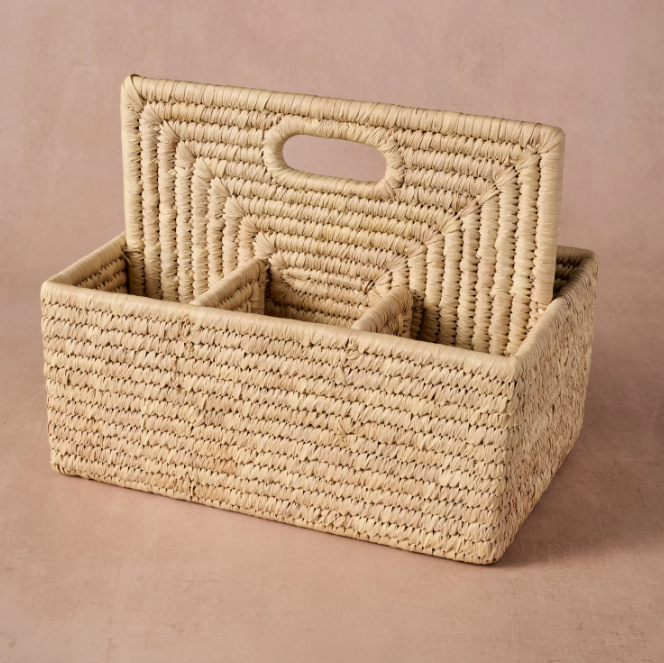
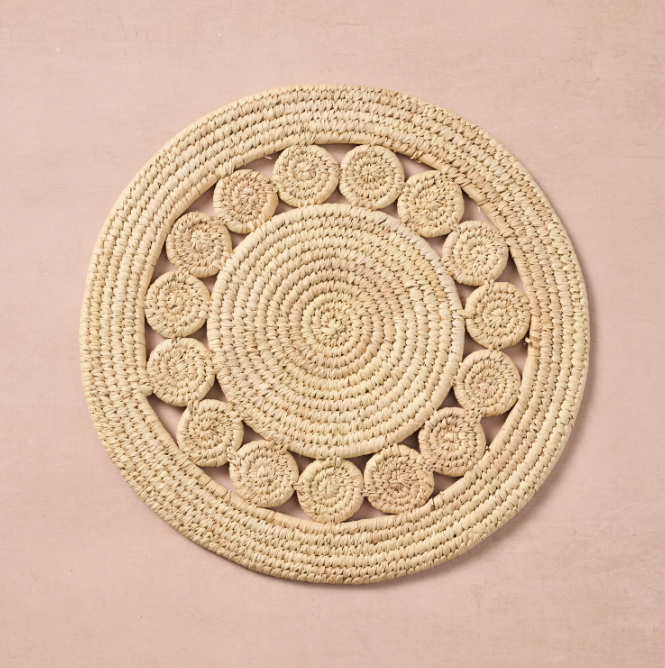
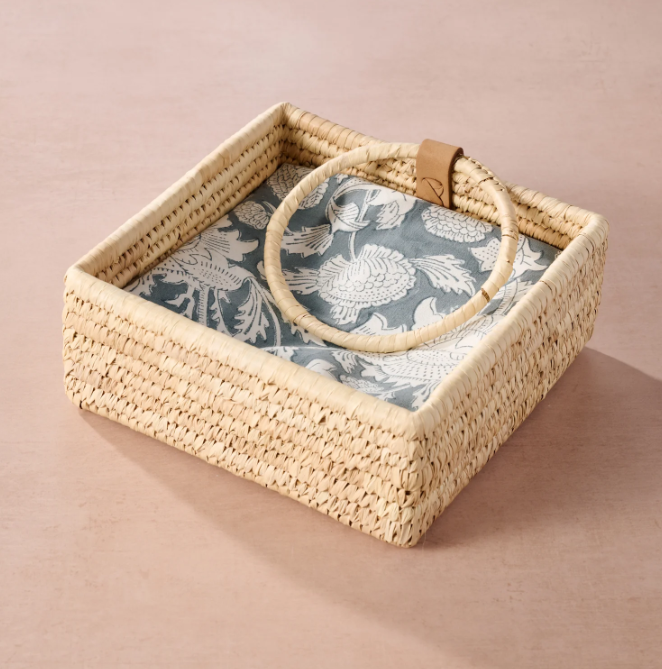
These existing products are longtime sellers at Villages, and they were my inspiration for these new products..
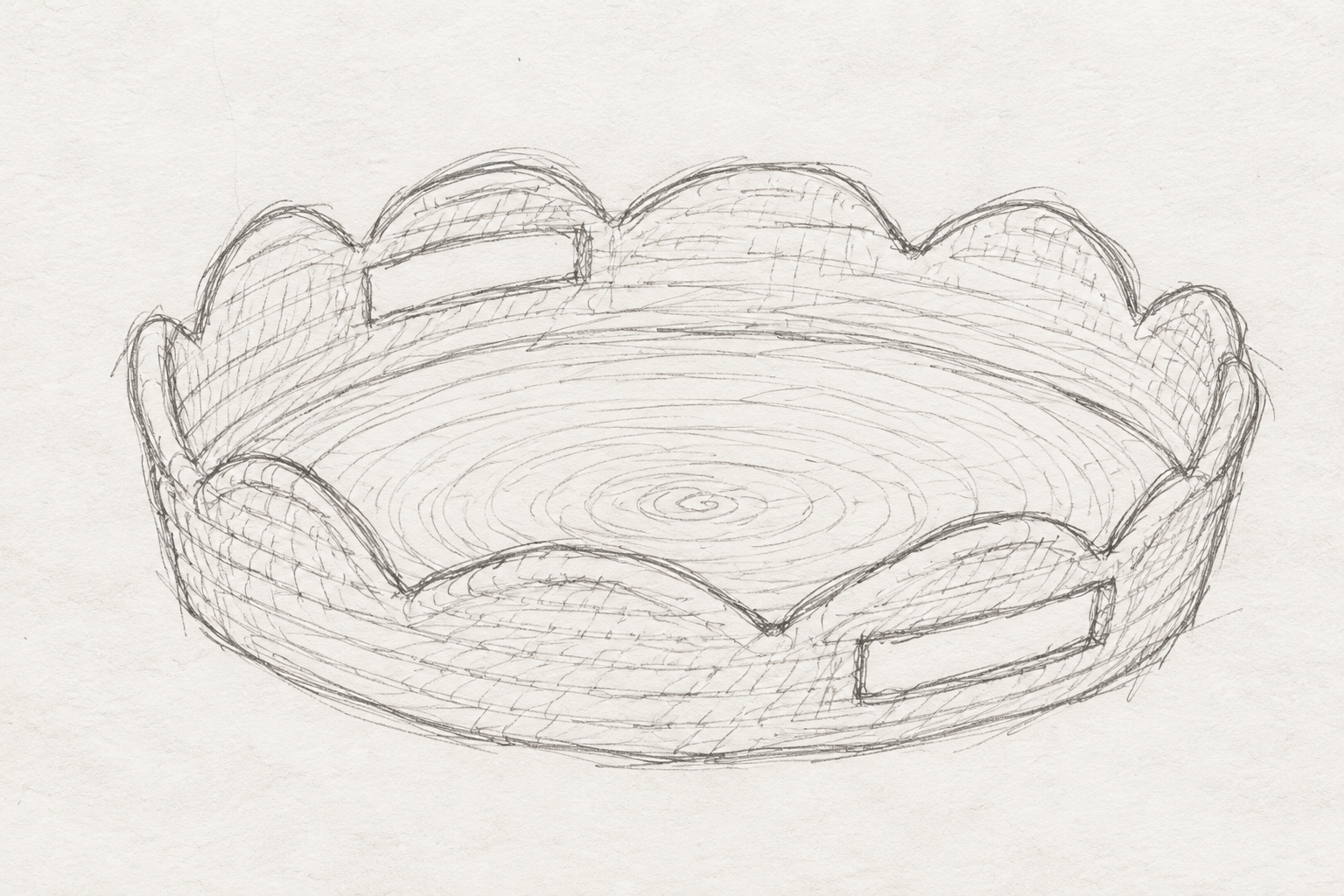
03 — MY DESIGN
04 — THE COLLECTION
05 — IN THE HOME
Your lifestyle photographs.
06 — THE RESULT
SOLD OUT