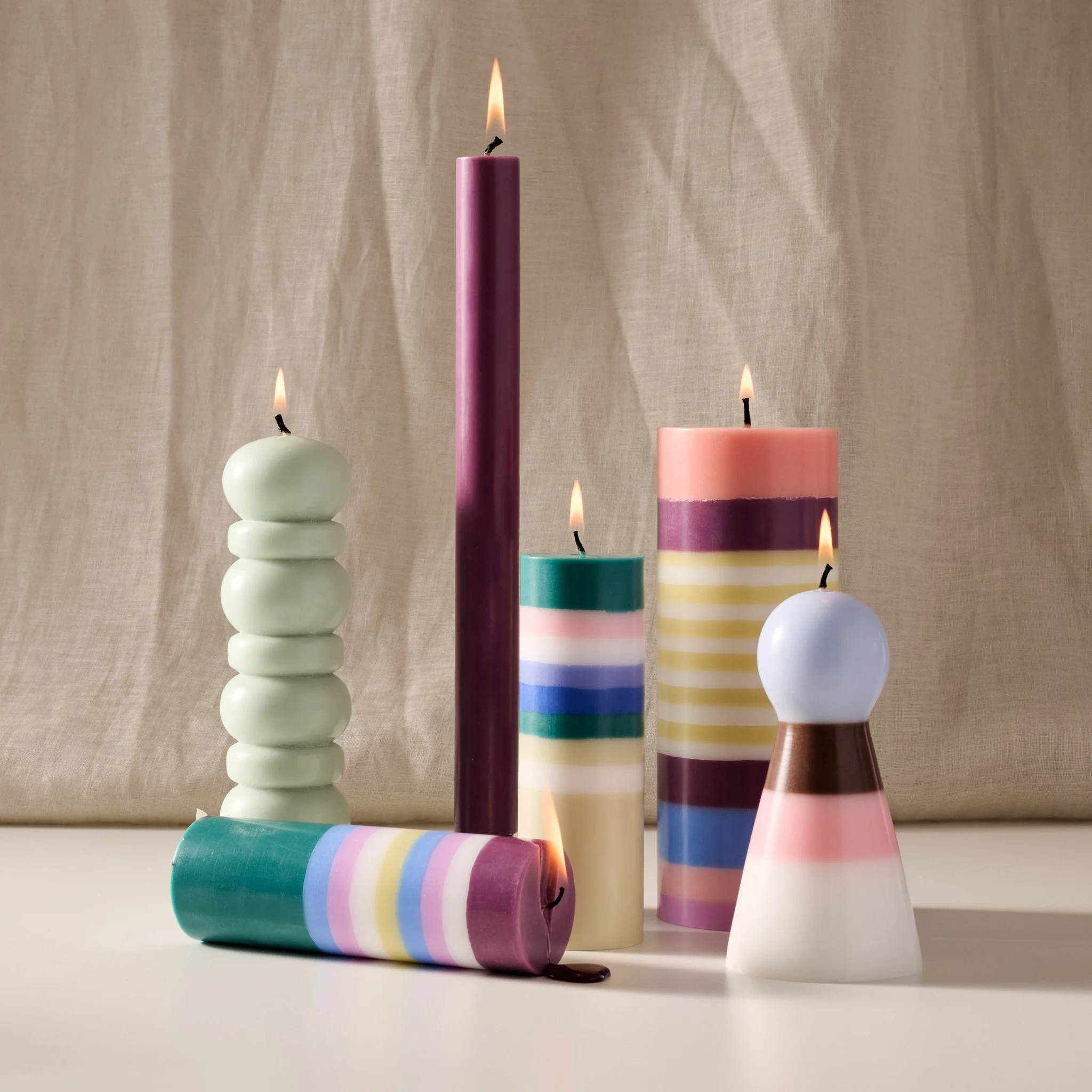
Finding the opportunity between décor and consumables
Good product development starts before the sketch. I first ask: Why should this product exist for this brand, for this customer, right now?
When developing our first candle collection, I was thinking about a larger challenge facing the fair trade industry. Customers have more choices than ever, including an enormous number of lower-priced products and brands. At the same time, consumable categories like coffee and chocolate offer something traditional home décor doesn't: a reason for customers to come back and purchase again.
I saw candles as an opportunity to sit between those two worlds.
They could still be beautiful, artisan-made objects that belonged within our home assortment—but because they are used up, they also created the potential for repeat purchase.
Designing for the market, not just the moment
Once I identified the category opportunity, I looked at what was happening in the broader home market.
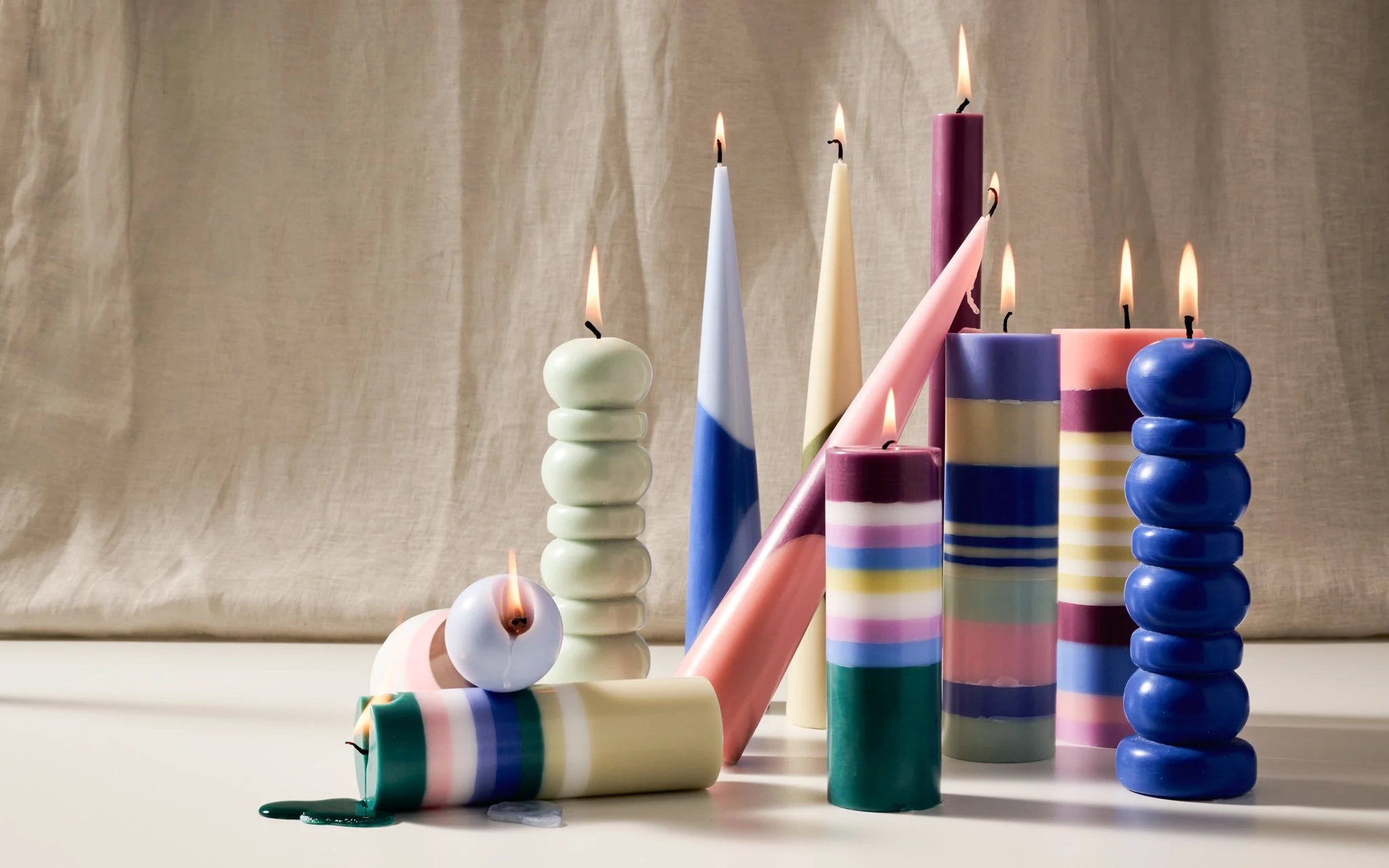
Rather than introducing a traditional candle assortment, I focused on sculptural silhouettes, striped pillars, unexpected proportions, and bold color combinations. The goal was to create candles that functioned as décor before they were ever lit.
That gave the collection another advantage: customers weren't simply choosing a scent or a candle. They were choosing an object for their home.
Turning art into a color strategy
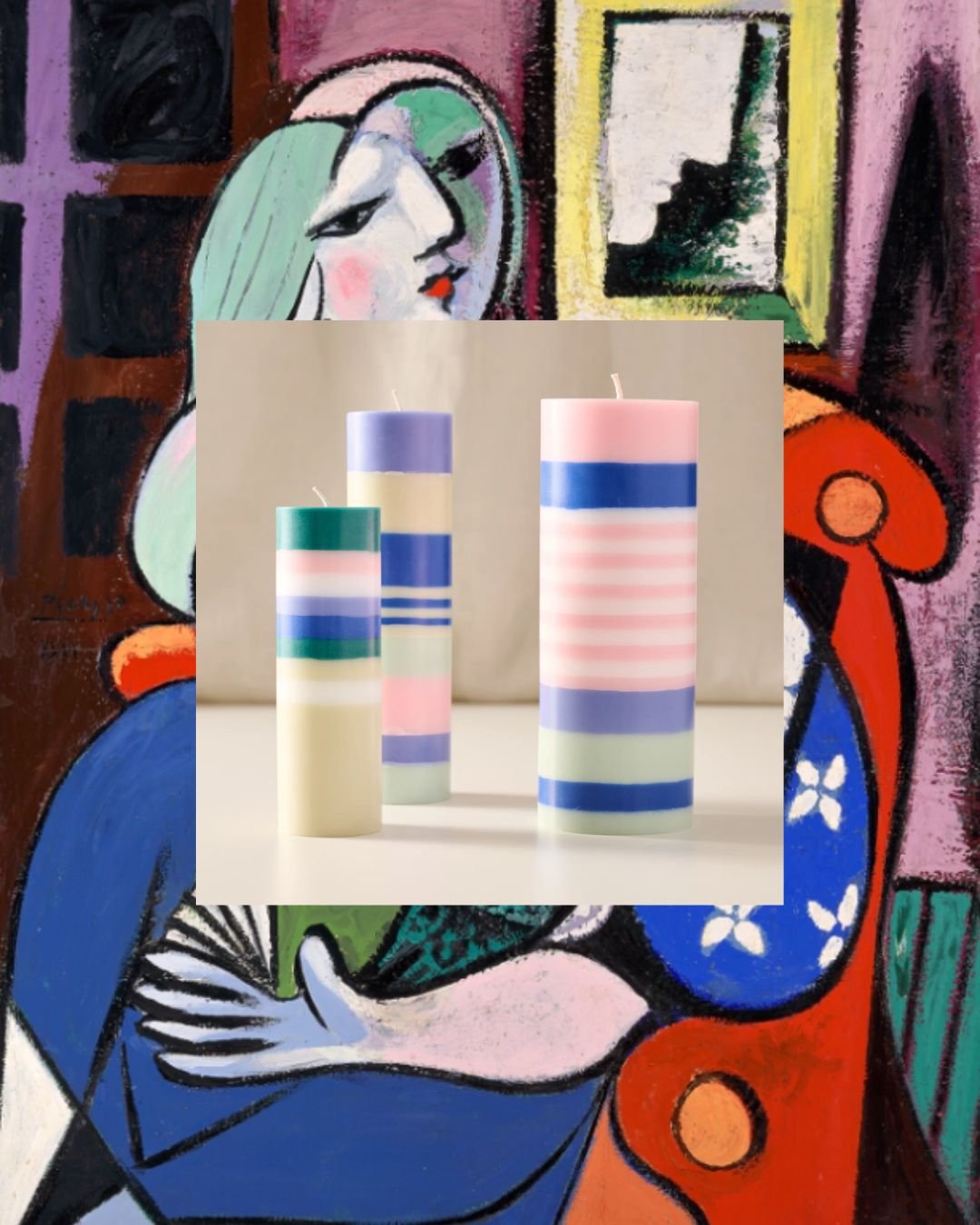
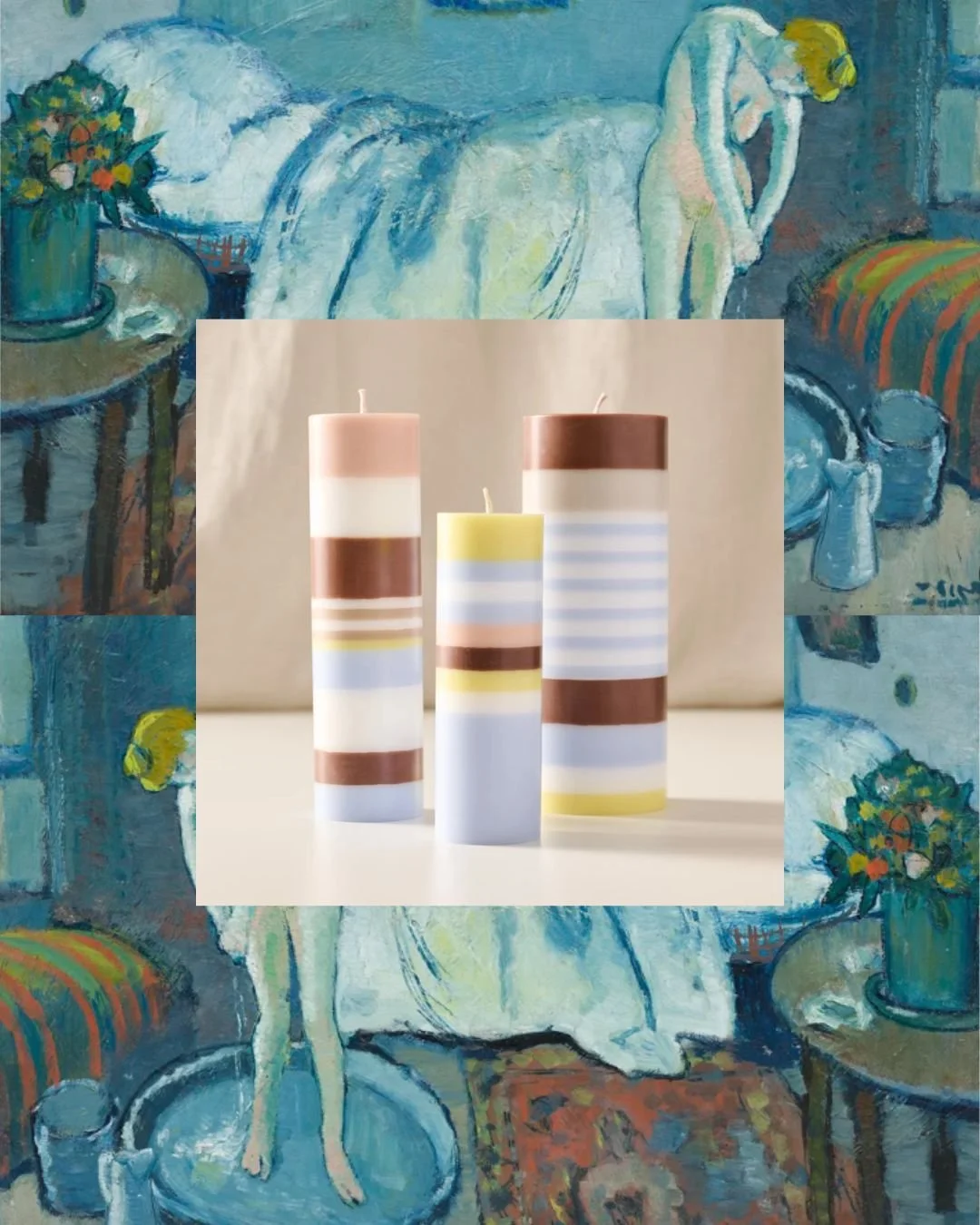
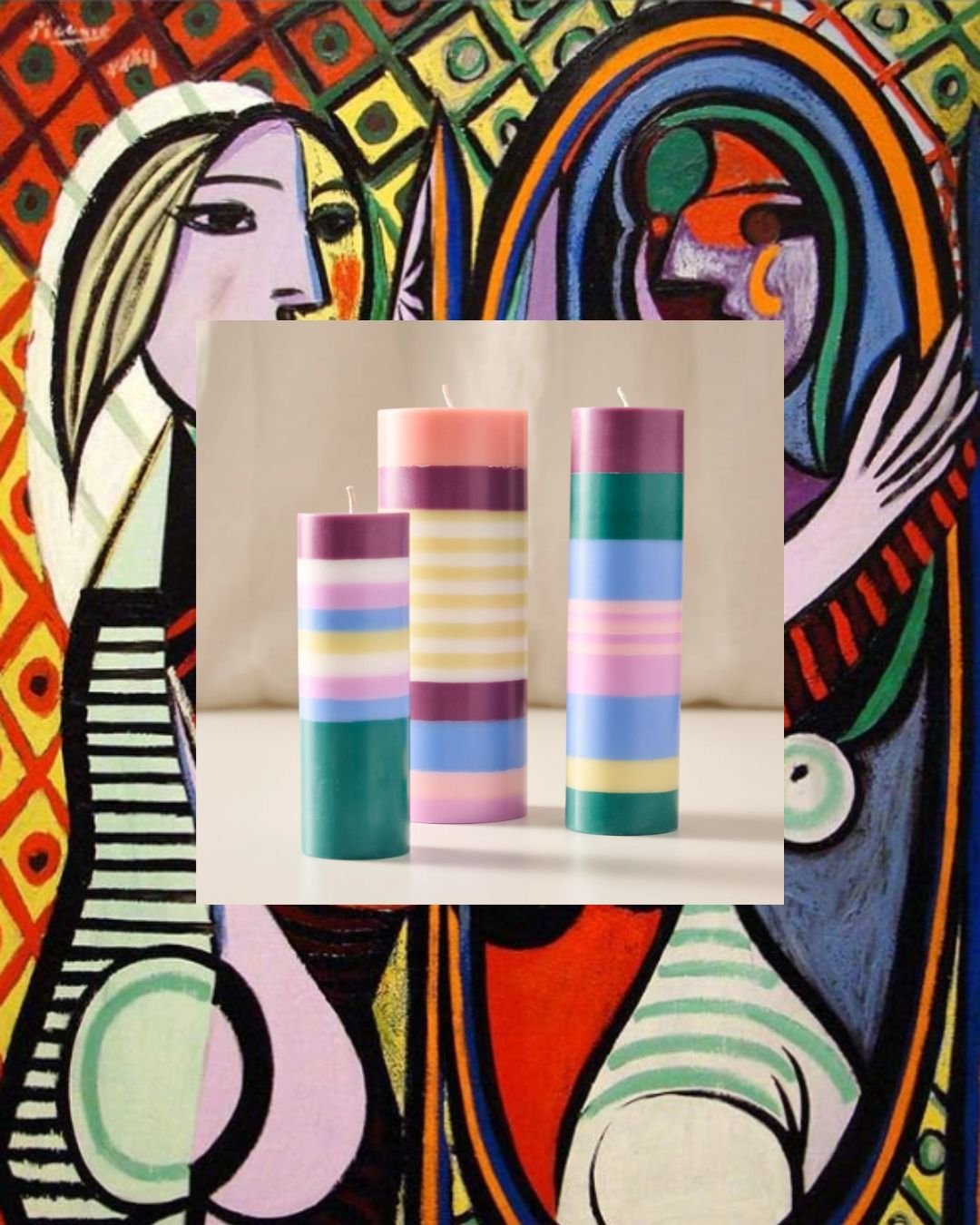
I didn't want the palette to come from a standard trend report alone. I began looking at paintings and pulling apart the relationships between colors that made them compelling. Picasso is a master of color theory, so I thought I would let him do a little of the work for me!
Soft blues and creams were interrupted by chocolate brown and acidic yellow. Pink, cobalt, mint, plum, and green created combinations that felt unexpected but still balanced.
Those paintings became a starting point rather than something to reproduce literally. I translated their palettes into stripes, color blocks, and sculptural forms that could work together as a cohesive collection.
Building a collection instead of a product
The final assortment intentionally included different heights, shapes, patterns, and color stories.
Some pieces were graphic. Others were sculptural. Some could stand alone, while others became more interesting when grouped together.
That variety was deliberate. I wasn't designing one candle—I was designing a collection that could be merchandised.
And that's one of the biggest things I consider when deciding whether an idea is worth developing: Does this product solve an assortment need? Can it create a larger story? Does it give the customer a reason to notice—and eventually come back?
For this collection, the answer was yes.